





# Why Do People Buy Luxury Goods? The 7 Core Psychological Drivers Explained
Why do people buy luxury goods? It is a question that fascinates economists, marketers, and everyday observers. On the surface, the answer seems simple: quality, status, or branding. But the true motivations run much deeper into the human psyche. This article explores the seven core psychological and sociological drivers that explain the enduring allure of luxury purchases, moving beyond cliches to uncover the real reasons.
Understanding these drivers is crucial, not just for curiosity’s sake, but for anyone in marketing, business, or even for personal financial awareness. The global personal luxury goods market reached approximately 362 billion euros in 2023 (来源: Bain & Company Luxury Study). This massive figure is powered by complex human desires.
## The Psychology of Luxury Consumption
At its heart, luxury consumption is rarely about the physical product alone. It is about the intangible value and meaning attached to it. These items serve as powerful social and psychological tools.
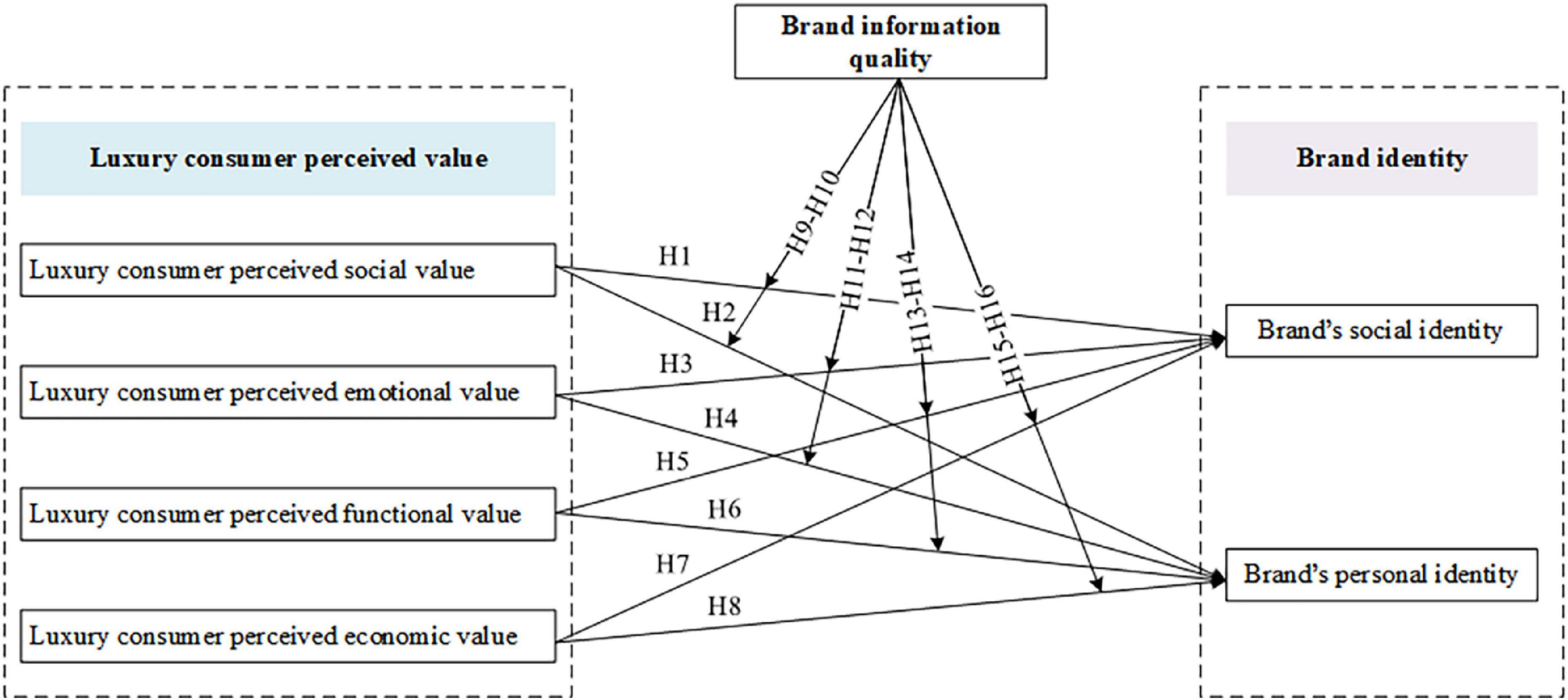
## Driver 1: The Quest for Status and Social Signaling
This is the most recognized driver. Luxury goods act as a high-cost signal. They communicate wealth, success, and taste to others without a word being spoken. This is known as conspicuous consumption. A luxury handbag or watch is an immediate identifier, placing the owner within a perceived social hierarchy. It is a shortcut to conveying “I have arrived” or “I belong to this group.”
## Driver 2: The Pursuit of Superior Quality and Craftsmanship
For many buyers, the primary appeal is genuine excellence. Luxury brands often represent the pinnacle of materials, design, and artisan skill. A person might buy a handmade Swiss watch for its mechanical precision and durability that mass-produced items cannot match. This driver is about a deep appreciation for the object itself—the feel of the leather, the weight of the metal, the intricacy of the movement. It is an investment in longevity and sensory pleasure.
## Driver 3: The Emotional Reward and Self-Gifting
Luxury purchases are powerfully tied to emotion. People buy luxury items to celebrate milestones, reward themselves for hard work, or lift their spirits. This act of self-gifting triggers dopamine release, creating a feeling of happiness and accomplishment. After a promotion or completing a major project, a luxury item serves as a tangible trophy, a permanent reminder of success and self-worth.
## Driver 4: The Desire for Exclusivity and Rarity
Scarcity drives desire. Limited editions, bespoke services, and invitation-only purchases create an aura of exclusivity. Owning something few others can access fulfills a deep need for individuality and distinction. It is the opposite of mass-market conformity. This exclusivity is not just about price; it is about perceived access and being part of an elite circle.
## Driver 5: Identity Construction and Brand Affiliation
We use possessions to express who we are or who we aspire to be. Aligning with a luxury brand allows individuals to borrow its values and aesthetics. Someone might buy Patagonia to signal an eco-conscious identity, or a Tesla to align with innovation and sustainability. The brand becomes part of their personal narrative. According to a study in the Journal of Consumer Psychology, consumers often use brands to construct and communicate their self-concept.
## Driver 6: The Influence of Heritage and Storytelling
Luxury brands invest heavily in their history and narrative. The story of a family-owned maison, centuries-old techniques, or iconic designs adds immense intangible value. Purchasing such an item is buying into a legacy. It connects the owner to a timeline of craftsmanship and culture that far exceeds the product’s functional life. This storytelling provides emotional depth that generic products lack.
## Driver 7: The Network Effect and Community
Luxury ownership can grant entry into a community. From owners’ clubs for high-end cars to VIP events for fashion clients, these brands foster social circles. The purchase becomes a ticket to experiences and connections with like-minded individuals. This sense of belonging is a powerful, often overlooked, motivator.
## A Practical Guide: How to Analyze Your Own Luxury Desires
Before making a significant luxury purchase, it is wise to conduct a self-audit. Here is a simple five-step guide to understand your own motivations.
STEP 1: PAUSE AND IDENTIFY THE TRIGGER. What prompted this desire? Was it an ad, seeing someone else with the item, or a personal milestone?
STEP 2: INTERROGATE THE “WHY.” Ask yourself “why” five times. “I want this bag.” Why? “It is beautiful.” Why does that matter? Continue digging to the root emotion.
STEP 3: EVALUATE THE VALUE PROPOSITION. Separate emotional value from functional value. How much are you paying for the brand story versus the material utility?
STEP 4: CONSIDER ALTERNATIVES. Are there non-luxury items that fulfill the same functional need? Could the emotional need be met in another way (e.g., an experience)?
STEP 5: DECIDE WITH AWARENESS. Make your choice consciously, acknowledging the primary driver. There is no wrong answer, only an informed or uninformed one.
## Common Misconceptions and Warnings
A critical warning for aspiring luxury consumers: do not confuse luxury with financial wisdom. Luxury goods are terrible investments for wealth generation. They are consumable items that typically depreciate dramatically the moment they are purchased, with very few exceptions like certain classic watches or handbags. Buying luxury to impress others is a fragile foundation for happiness and can lead to financial strain. True luxury is discretionary; it should come from surplus, not sacrifice.
## Comparing Key Luxury Purchase Drivers
The table below contrasts two primary clusters of motivations to clarify their distinct characteristics.
| ASPECT | EXTERNAL DRIVERS (Status, Signaling) | INTERNAL DRIVERS (Craftsmanship, Emotion) |
|---|---|---|
| Primary Focus | How others perceive me. | My own personal experience and satisfaction. |
| Value Source | Brand logo recognition and social cachet. | Material quality, design integrity, and artisan story. |
| Longevity of Satisfaction | Can fade as trends change or the item becomes common. | Often grows over time through appreciation of the item itself. |
| Example Mindset | “This will show my colleagues I am successful.” | “I will enjoy using this well-made item every day for years.” |
In my experience consulting for retail brands, we have seen a clear shift. While status will always be a factor, modern consumers, especially younger generations, increasingly prioritize drivers like sustainability, brand ethics, and authentic storytelling alongside traditional markers of luxury. The conversation is becoming more nuanced.
## Final Checklist for Understanding Luxury Purchases
To conclude, here is a practical checklist summarizing the key insights into why people buy luxury goods. Use this to decode marketing or evaluate your own decisions.
– IDENTIFY IF THE DRIVER IS PRIMARILY EXTERNAL OR INTERNAL.
– RECOGNIZE THE ROLE OF EMOTIONAL REWARD AND SELF-GIFTING.
– APPRECIATE THE POWER OF EXCLUSIVITY AND SCARCITY.
– ACKNOWLEDGE THE DESIRE FOR BRAND-AFFILIATED IDENTITY.
– EVALUATE THE DEPTH OF THE BRAND’S HERITAGE AND STORY.
– CONSIDER THE COMMUNITY AND NETWORK ASPECTS.
– SEPARATE GENUINE CRAFTSMANSHIP FROM PURE LOGO VALUE.
– NEVER VIEW LUXURY GOODS AS FINANCIAL INVESTMENTS.
– MAKE PURCHASES CONSCIOUSLY, UNDERSTANDING YOUR MOTIVATION.
– REMEMBER THAT ULTIMATE VALUE IS PERSONALLY DEFINED.
The reasons behind why people buy luxury goods are a fascinating blend of psychology, sociology, and economics. By understanding these seven core drivers, you gain a clearer lens through which to view consumer behavior, marketing strategies, and your own relationship with material possessions. The true luxury, perhaps, is the awareness to choose what genuinely adds value to your life.