# What Rava Is Made Of: The Ultimate Guide to Ingredients, Nutrition, and Uses
If you have ever enjoyed a plate of fluffy upma or a sweet bite of sooji halwa, you have tasted rava. But what rava is made of remains a common question for many home cooks and food enthusiasts. This versatile ingredient is a staple in Indian kitchens and beyond, yet its origins and composition are not always clear. This definitive guide will answer that question in depth, exploring the raw materials, the production process, and the nutritional profile that makes rava a unique and valuable food product. We will also cover its various types, culinary uses, and important considerations for your health.
At its core, rava is a coarse flour made from grains. The answer to what rava is made of is most commonly durum wheat. The hard wheat kernels are cleaned, tempered, and then milled in a specific way. The milling process involves grinding the wheat and then sifting it to separate the coarse endosperm particles from the finer flour (maida) and the bran. These golden-yellow, granular particles are what we know as rava, also called semolina or sooji. It is important to note that while durum wheat semolina is the classic form, rava can also be produced from other grains like rice, corn, or millets, catering to different dietary needs and regional preferences.
Understanding the different types of rava is crucial for both cooking and nutrition. The primary categorization is based on the grain used. Let us break down the most common varieties.
Bombay rava, or sooji, is the most widespread type, made from durum wheat. It has a slightly coarse, sandy texture and a pale yellow color. It is the go-to choice for dishes like upma, rava dosa, and halwa. Fine rava is a more refined version of wheat rava, with a texture closer to a gritty flour, often used for making instant idlis or for binding mixtures. Then we have grain alternatives. Rice rava is made from broken rice grains and is a popular gluten-free option, especially in South India, for making idlis and dosas. Ragi rava, made from finger millet, is a nutrient-dense, gluten-free alternative packed with calcium and iron.
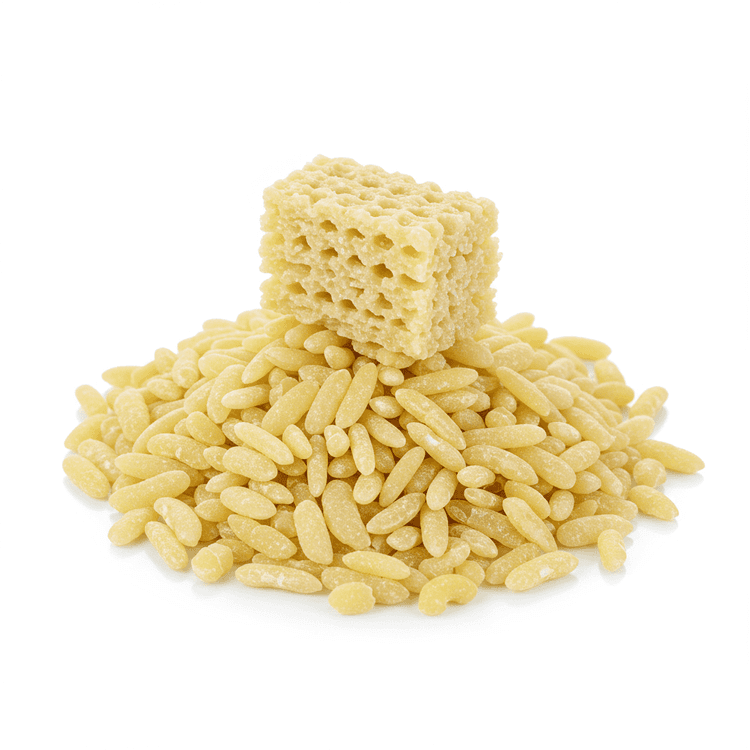
To clearly see the differences, here is a comparison of the two most common types:
| Type of Rava | Primary Grain | Key Characteristics | Best Used For |
|---|---|---|---|
| Wheat Rava (Sooji/Bombay Rava) | Durum Wheat | Coarse, granular, pale yellow, contains gluten. | Upma, Halwa, Kesari, Rava Dosa, Binding agent. |
| Rice Rava | Rice | Finer or coarser white granules, gluten-free. | Rice Rava Idli, Dosa, Gluten-free baking mixes. |
The nutritional composition of rava is directly tied to what it is made of. Wheat rava is a good source of complex carbohydrates, providing sustained energy. A 100-gram serving of unfortified wheat rava provides approximately 360 calories, 12 grams of protein, and 2.5 grams of dietary fiber (source: USDA FoodData Central). It also contains B vitamins like folate and thiamine, and minerals such as iron and magnesium. However, the refining process removes a significant portion of the bran and germ, meaning it is not a whole grain. For a higher fiber and nutrient content, one should look for whole wheat rava or rava made from millets like ragi. Interestingly, in many countries, wheat-based semolina is often enriched with additional vitamins and minerals.
Now that we know what rava is made of, how do we use it? Its unique texture and flavor profile make it incredibly versatile. For a perfect savory upma, follow this simple guide. First, dry roast one cup of rava in a pan over medium heat until it becomes aromatic and turns a light golden shade. This step is non-negotiable for preventing a sticky, gummy texture. Second, in another pan, heat oil or ghee and add mustard seeds, urad dal, chana dal, and curry leaves. Third, once the dals are golden, add finely chopped onions, green chilies, and ginger. Saute until the onions soften. Fourth, add vegetables like peas, carrots, and beans, followed by two and a half cups of water, salt, and a pinch of turmeric. Bring the water to a rolling boil. Fifth, reduce the heat to low and slowly pour in the roasted rava while stirring continuously to avoid lumps. Cover and let it cook for 3-4 minutes. Fluff with a fork and serve hot with chutney or sugar.
Beyond upma, rava is the star in sweet dishes like sooji halwa, where it is roasted in ghee and cooked with sugar and water. It forms the base for instant cakes and steamed sweets. Its ability to create a crispy exterior is utilized in rava-fried fish or paneer. In global cuisines, durum wheat semolina is essential for making authentic pasta and certain types of bread and couscous.
A common misconception is that all rava is unhealthy or fattening. This is a critical point to clarify. The health impact depends entirely on the type of rava and how it is prepared. Refined wheat rava has a high glycemic index, meaning it can cause a rapid spike in blood sugar levels, which is a concern for individuals with insulin resistance or diabetes. However, the coarser grind can slow digestion slightly compared to fine wheat flour. The real nutritional champions are the whole grain and millet-based rav like ragi rava or whole wheat rava, which retain more fiber, protein, and micronutrients. Portion control and pairing rava with plenty of vegetables, proteins, and healthy fats, as in a vegetable-loaded upma, make it a balanced meal.
According to my experience working with nutritionists and chefs, the single biggest mistake home cooks make is skipping the roasting step. Roasting not only enhances the nutty flavor but also dehydrates the granules, allowing them to absorb liquid evenly without becoming a pasty mess. We always recommend taking those extra five minutes for roasting; it transforms the final dish from good to exceptional.
For those with celiac disease or gluten sensitivity, it is vital to check the label. Standard wheat rava contains gluten. Always opt for certified gluten-free alternatives like rice rava or ragi rava. Furthermore, when purchasing packaged rava, look for terms like “whole wheat” or “unpolished” to get a product with higher nutritional value. The market is also seeing a rise in multigrain rava blends, which combine the benefits of several grains.
To bring all this information together, here is a practical checklist for your next purchase and cooking session with rava:
IDENTIFY THE GRAIN SOURCE: Check the package to see if it is made from wheat, rice, or millet.
CONSIDER DIETARY NEEDS: Choose gluten-free options like rice or ragi rava if required.
PREFER WHOLE GRAIN VARIANTS: Opt for whole wheat or unpolished rava for more fiber.
ALWAYS DRY ROAST BEFORE USE: Enhance flavor and ensure perfect texture.
BALANCE YOUR MEAL: Combine rava with vegetables, lentils, or protein for a nutritious dish.
STORE IN AN AIRTIGHT CONTAINER: Keep it in a cool, dry place to prevent spoilage and pests.
In conclusion, understanding what rava is made of opens up a world of culinary possibilities and informed dietary choices. Primarily derived from durum wheat, this coarse flour is a kitchen powerhouse valued for its texture and versatility. By selecting the right type—be it classic wheat, gluten-free rice, or nutrient-packed ragi—and employing proper cooking techniques like roasting, you can create dishes that are both delicious and nutritious. Remember to be mindful of portions and pairings to enjoy this traditional ingredient as part of a balanced, modern diet.