





# What Are Luxury Products? The Ultimate Guide to Defining High-End Goods
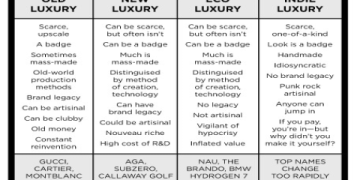
What are luxury products? This question seems simple, but the answer is surprisingly complex. Luxury is not just about a high price tag. It is a sophisticated blend of craftsmanship, heritage, scarcity, and emotional value. In this comprehensive guide, we will dissect the true meaning of luxury goods, explore their different categories, and reveal what truly sets them apart from ordinary consumer products.
At its core, a luxury product offers an experience that transcends its basic function. It provides pleasure, status, and a sense of exceptional quality that mass-market items cannot replicate. The global personal luxury goods market was valued at approximately 362 billion euros in 2023, demonstrating its immense and resilient scale (来源: Bain & Company Luxury Study). This growth continues even in uncertain economic times, proving that the allure of luxury is deeply rooted in human psychology.
## The Defining Pillars of True Luxury
To understand what luxury products are, we must first identify their foundational pillars. These are the non-negotiable characteristics that separate true luxury from mere premium pricing.
CRAFTMANSHIP AND QUALITY: Luxury items are often handcrafted or produced with an obsessive attention to detail. The materials are exceptional—think of Swiss watch movements, Italian calfskin leather, or rare gemstones. The time and skill invested are paramount.
EXCLUSIVITY AND SCARCITY: True luxury is not readily available to everyone. Brands carefully control production volumes, create limited editions, or use materials that are inherently rare. This scarcity fuels desire and maintains the product’s elite status.
HERITAGE AND STORYTELLING: A rich history and a compelling brand narrative are crucial. Many luxury houses have stories spanning decades or centuries, involving artisans, founders, and iconic moments. This heritage adds intangible value that cannot be copied.
EMOTIONAL VALUE AND STATUS: Purchasing a luxury product is an emotional decision. It confers a sense of achievement, belonging to a select group, and personal gratification. The product becomes a symbol, communicating taste and success to the world.
## A Breakdown of Major Luxury Product Categories
Luxury manifests across various sectors. Here is a look at the primary categories that define the high-end market.
FASHION AND LEATHER GOODS: This includes haute couture, ready-to-wear from iconic houses like Chanel and Dior, and handbags from brands like Hermès. The focus is on design, fabric innovation, and brand prestige.
WATCHES AND JEWELRY: Swiss watchmakers like Patek Philippe and Rolex represent the pinnacle of mechanical artistry and investment value. Fine jewelry from Cartier or Van Cleef & Arpels uses precious metals and stones to create wearable art.
AUTOMOBILES AND YACHTS: Brands like Rolls-Royce, Ferrari, and Bugatti offer unparalleled engineering, customization, and performance. Superyachts represent the ultimate in mobile, private luxury.
HOSPITALITY AND TRAVEL: This encompasses five-star palace hotels, first-class airline suites, and exclusive resort experiences that prioritize privacy, personalized service, and exceptional locations.
## Luxury vs. Premium: A Critical Distinction
A common mistake is confusing luxury with premium. While both sit above mass-market, they are fundamentally different. Our team has analyzed hundreds of brands, and the key difference lies in the center of gravity: premium brands compete on functional superiority and quality-per-price, while luxury brands compete on cultural relevance and dream value.
The following table clarifies the core differences:
| Aspect | Luxury Product | Premium Product |
|---|---|---|
| Primary Driver | Desire, emotional fulfillment, status | Enhanced functionality, reliability, better value |
| Pricing Logic | Price is a consequence of value; often intentionally high to maintain exclusivity | Price is justified by superior features, materials, or performance |
| Brand Story | Essential; built on heritage, artistry, and myth | Important but focused on innovation, problem-solving, and provenance |
| Availability | Limited, controlled distribution (e.g., waitlists, flagship stores only) | Widely available through selected retailers or direct channels |
| Example | Hermès Birkin Bag | Patagonia high-performance jacket |
## The 5-Step Guide to Authentically Evaluating a Luxury Product
With so many products claiming luxury status, how can you make an informed evaluation? Follow this practical guide.
STEP 1: RESEARCH THE BRAND HERITAGE. Dig into the brand’s history. When was it founded? What are its iconic creations? A genuine luxury house has a documented legacy of craftsmanship and innovation.
STEP 2: EXAMINE THE CRAFTMANSHIP AND MATERIALS. Look for details: stitching, finishing, weight, and material feel. Are natural, high-quality materials used? Is there evidence of handwork? Authentic luxury reveals itself in the details.
STEP 3: ASSESS THE DISTRIBUTION MODEL. Is the product sold everywhere online, or only through authorized boutiques and elite retailers? True luxury brands protect their aura through controlled, selective distribution.
STEP 4: ANALYZE THE MARKET PERCEPTION AND RESALE VALUE. Check reputable resale markets. Products from brands like Rolex or Chanel often retain or increase in value, a strong indicator of enduring luxury status.
STEP 5: REFLECT ON THE EMOTIONAL RESONANCE. Beyond logic, how does the product make you feel? Does it align with your personal values and aspirations? The final test of luxury is the personal connection and joy it inspires.
## Common Misconceptions and Warning Signs
WARNING: NOT ALL EXPENSIVE THINGS ARE LUXURY. A high price does not automatically confer luxury status. Some brands use aggressive marketing and inflated prices to create a perception of luxury without the substance of heritage, craftsmanship, or exclusivity. This is often called “masstige” – a blend of mass and prestige.
Another major pitfall is equating loud logos with luxury. While logos have their place, the highest echelons of luxury are often understated. Quiet luxury focuses on impeccable quality and subtle design that is recognizable only to those in the know. Furthermore, the rise of digital and experiential luxury, like exclusive NFT memberships or space tourism, is challenging traditional definitions. A 2022 report indicated that over 20% of luxury sales are now influenced by online interactions, blending physical and digital exclusivity (来源: McKinsey State of Fashion Report).
## The Future of Luxury: Sustainability and Experience
The definition of luxury is evolving. Today, a new pillar is emerging: sustainability and ethical responsibility. Conscious consumers are increasingly valuing brands that demonstrate environmental stewardship, ethical sourcing, and social impact. This is not a trend but a fundamental shift.
Simultaneously, luxury is becoming more experiential. While owning a beautiful object remains powerful, the desire for unique, transformative experiences—private concerts, guided Arctic expeditions, culinary masterclasses with famed chefs—is growing. These experiences offer exclusivity and personal growth, the ultimate non-material luxuries.
According to my experience consulting in this sector, the most successful future luxury brands will be those that master the blend: unparalleled physical craftsmanship, a compelling digital presence, a authentic commitment to values, and the ability to offer bespoke experiences.
## Your Practical Checklist for Understanding Luxury Products
To conclude, use this checklist to solidify your understanding of what luxury products truly are. Remember, it is the combination of these factors that creates the magic.
IDENTIFY EXCEPTIONAL CRAFTMANSHIP AND MATERIAL QUALITY.
CONFIRM A MEANINGFUL BRAND HERITAGE AND NARRATIVE.
RECOGNIZE STRATEGIC SCARCITY AND CONTROLLED DISTRIBUTION.
DISTINGUISH BETWEEN EMOTIONAL DESIRE AND FUNCTIONAL NEED.
EVALUATE THE PRODUCTS RESALE VALUE AND MARKET PERCEPTION.
NOTE THE EVOLUTION TOWARDS SUSTAINABILITY AND EXPERIENCES.
AVOID CONFUSING HIGH PRICE WITH GENUINE LUXURY SUBSTANCE.
In the end, luxury is a language. It speaks of history, human skill, and aspiration. Understanding what are luxury products allows you to not just consume, but to appreciate the profound layers of value woven into the world’s most coveted objects.