# What Are Luxury Goods? The Ultimate Guide to Defining High-End Value
The term “luxury goods” is everywhere, from glossy magazine ads to casual conversations. But what are luxury goods, truly? Is it just about a high price tag, or is there a deeper story? This guide moves beyond the surface to explore the intricate world of luxury, defining its core characteristics, evolution, and the psychology that fuels its enduring appeal. We will unpack the essential elements that transform an ordinary product into a symbol of extraordinary value.
At its heart, the definition of luxury goods revolves around products that are not considered essential for daily survival. They represent the pinnacle of quality, craftsmanship, exclusivity, and brand prestige. Owning a luxury item is often as much about the experience, heritage, and statement it makes as it is about the physical object itself. The global personal luxury goods market was valued at approximately 362 billion euros in 2023, demonstrating its massive economic and cultural footprint (来源: Bain & Company Luxury Study).
## The Defining Pillars of Luxury Goods
Understanding what luxury goods are requires examining their foundational pillars. These are the non-negotiable attributes that separate true luxury from mere premium products.
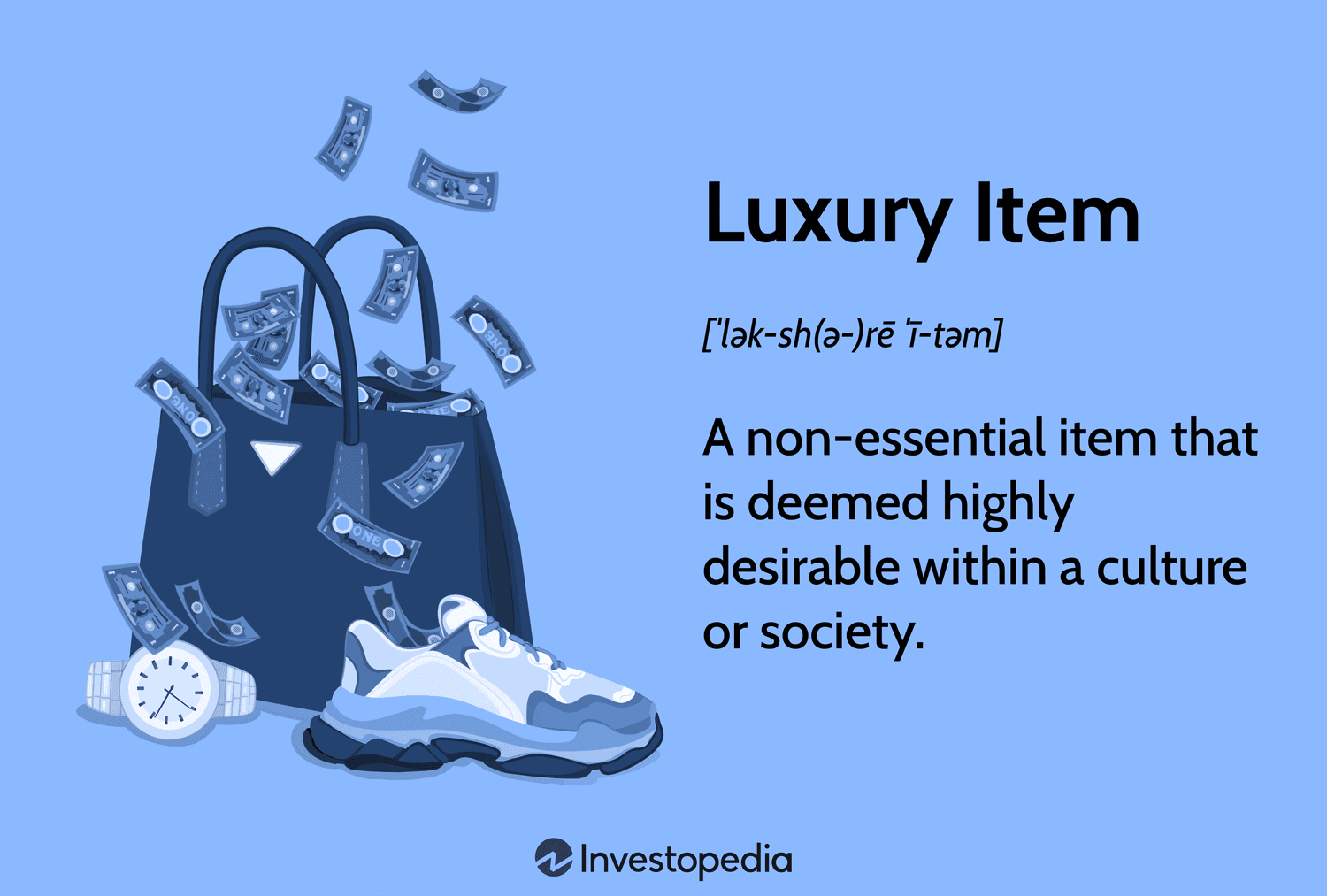
First, exceptional craftsmanship and quality are paramount. Luxury items are typically made with the finest materials, whether it’s supple Italian leather, precision Swiss movements, or rare gemstones. The production process often involves significant handwork by skilled artisans, resulting in superior durability and finish. This commitment to quality justifies a higher price point and promises longevity.
Second, exclusivity and scarcity play a crucial role. Luxury brands meticulously control their supply. This can be achieved through limited production runs, invitation-only purchasing, or custom-made services. The difficulty of acquisition enhances the item’s desirability and perceived value. It creates a sense of belonging to a select group.
Third, a powerful brand heritage and story are indispensable. Most iconic luxury houses have decades or even centuries of history. This narrative, built around founders, iconic designs, and patronage by notable figures, adds intangible value. The brand’s story is woven into every product, making it a piece of living history.
Finally, a premium price point is a direct result of the above factors. The high cost serves as a barrier to entry, reinforcing exclusivity. It also acts as a signal of quality and status to others. The price is part of the product’s identity and value proposition.
## The Evolution of Luxury: From Old Money to New Experiences
The concept of luxury is not static. Historically, luxury goods were the domain of aristocracy and old money, focusing on opulence and overt displays of wealth. Think ornate jewelry, custom carriages, and haute couture reserved for the elite. The primary function was social stratification.
In the modern era, particularly with the rise of globalization and new wealth in the late 20th century, luxury became more accessible—yet still aspirational—to a growing middle and upper-middle class. Brand logos became prominent status symbols. However, a new shift is underway.
Today, we are in an era often called “new luxury” or “experiential luxury.” For many modern consumers, especially younger generations, the definition is evolving. While quality and brand matter, there is a growing emphasis on sustainability, ethical production, unique experiences, and personal meaning. Luxury is increasingly defined by intangible value: a transformative travel experience, bespoke wellness retreats, or a product with a compelling sustainability narrative. The focus is shifting from owning a symbol to investing in a personal value system.
## Luxury Goods vs. Premium Products: A Critical Distinction
A common confusion lies between luxury and premium goods. While both sit above mass-market offerings, key differences exist. The table below clarifies this distinction.
| Aspect | Luxury Goods | Premium Goods |
|---|---|---|
| Core Driver | Desire, aspiration, emotional value | Enhanced functionality, superior performance |
| Price Justification | Brand heritage, craftsmanship, exclusivity, story | Better materials, advanced features, reliability |
| Role of Logo | Central; often a key part of the design and value | Secondary; product performance is the highlight |
| Target Consumer Mindset | Seeks status, identity, and a piece of a dream | Seeks the best practical solution within a higher budget |
| Example | A Hermès Birkin handbag | A high-end Dyson vacuum cleaner |
## The Psychology Behind the Purchase: Why We Buy Luxury
Understanding what luxury goods are is incomplete without exploring the “why.” Consumer psychology reveals powerful motivations. The Veblen Effect is a key concept, where demand for a product increases because its high price makes it a status symbol. Purchasing becomes a way to signal success, taste, and social standing.
Beyond status, luxury purchases are deeply tied to self-reward and emotional fulfillment. People often buy luxury items to celebrate milestones, reward hard work, or boost self-esteem. The item becomes a tangible representation of personal achievement. Furthermore, luxury brands cultivate a sense of belonging to an aspirational community or tribe. Owning a product from a particular house can feel like gaining membership to an exclusive club with shared values and aesthetics.
## How to Authentically Evaluate a Luxury Good: A 5-Step Guide
With countless brands claiming luxury status, how can you discern the authentic from the marketed? Follow this practical guide.
STEP 1: INVESTIGATE THE HERITAGE AND CRAFTSMANSHIP. Research the brand’s history. Where and how is the product made? Look for details about artisan involvement, manufacturing techniques, and material sourcing. True luxury is transparent about its origins.
STEP 2: ANALYZE THE PRICE VS. VALUE PROPOSITION. Ask what you are paying for. Is the cost primarily tied to marketing and logos, or is it substantiated by tangible quality, innovation, and craftsmanship? Compare the construction to similar non-luxury items.
STEP 3: ASSESS EXCLUSIVITY AND AVAILABILITY. Is the product readily available everywhere, or is its distribution controlled? Limited availability often, but not always, correlates with higher craftsmanship and desirability.
STEP 4: CONSIDER THE BRAND’S CULTURAL IMPACT AND STORY. Has the brand influenced its industry? Does it have iconic products or patrons? A compelling, authentic narrative adds significant intangible value.
STEP 5: REFLECT ON PERSONAL CONNECTION AND LONGEVITY. Beyond resale value, consider if you will cherish the item for years. Does it align with your personal style and values? Authentic luxury should feel timeless to you.
## Common Misconceptions and Pitfalls to Avoid
A critical warning for anyone navigating the luxury market: high price does not automatically equal luxury. Many products are simply overpriced. Conversely, some truly luxurious items from emerging or niche artisans may not carry exorbitant price tags but excel in craftsmanship and exclusivity.
Another major pitfall is buying for the logo alone. This often leads to poor value and supports brands that may prioritize marketing over substance. Focus on the intrinsic qualities of the product itself. According to a report by McKinsey, nearly 80% of luxury consumers now research brands online before purchasing, emphasizing a shift towards informed buying over impulsive logo-chasing (来源: McKinsey State of Fashion Report).
Furthermore, do not confuse limited-edition marketing gimmicks with true scarcity. Some brands artificially limit supply to create hype. True exclusivity is often built into the production model itself, not just the sales strategy.
From my experience consulting in this sector, we often see clients initially overwhelmed by brand noise. The most satisfied long-term purchasers are those who connect with the artistry and story behind the item, not just its social cachet. This personal resonance is what truly defines a luxury purchase.
## Final Checklist for Understanding Luxury Goods
To solidify your understanding of what luxury goods are, use this final checklist. It synthesizes the key points from this guide.
DEFINING CHARACTERISTICS: The item offers non-essential, exceptional quality and craftsmanship. It embodies exclusivity through limited availability or custom creation. It carries a strong brand heritage and narrative. It commands a premium price justified by its attributes.
CONSUMER MOTIVATIONS: The purchase may be driven by status signaling and the Veblen Effect. It often serves as a form of self-reward and emotional fulfillment. It can provide a sense of belonging to an aspirational community.
EVALUATION CRITERIA: Authentic luxury is verified by researching its craftsmanship and heritage. Its price is analyzed against its true value proposition, not just the logo. Its exclusivity is assessed as genuine, not just a marketing tactic. The brand’s cultural impact and story are considered meaningful. The item promises personal longevity and timeless appeal.
PITFALLS TO AVOID: Remember that a high price tag alone does not define luxury. Avoid purchasing based solely on logo recognition. Be wary of artificial scarcity created for hype. Always prioritize intrinsic product value and personal connection over external validation.
In conclusion, luxury goods are a complex blend of superior tangible product attributes and powerful intangible psychological value. They represent a fascinating intersection of economics, culture, art, and identity. By looking beyond the price and the logo, you can appreciate the true depth of what makes something genuinely luxurious and make choices that offer lasting satisfaction and value.