





# The Ultimate Guide to Understanding and Tracking SS 304 Scrap Price in 2024
Navigating the world of scrap metal can feel like deciphering a secret code. If you are looking for the SS 304 scrap price, you are likely a business owner, a scrapyard operator, or an individual with valuable material to sell. Understanding this price is not just about getting a number; it is about grasping a dynamic market influenced by global forces. This guide will break down everything you need to know, from the core factors driving costs to practical steps for getting the best deal for your stainless steel scrap.
The term “SS 304 scrap price” refers to the current market value for discarded or surplus items made from Type 304 stainless steel. This is not a fixed number. It fluctuates daily, sometimes hourly, based on complex economic interactions. Think of it as a global conversation where commodity prices, industrial demand, and geopolitical events all shout at once. Your goal is to listen carefully and know when to speak up with your material.
## What Exactly is SS 304 Scrap?
Before diving into prices, we must define the material. SS 304, often called 18/8 stainless steel, is the most common austenitic stainless steel. Its key components are approximately 18% chromium and 8% nickel. This composition gives it excellent corrosion resistance, formability, and weldability. You will find it in kitchen equipment, chemical containers, architectural trim, and automotive parts.
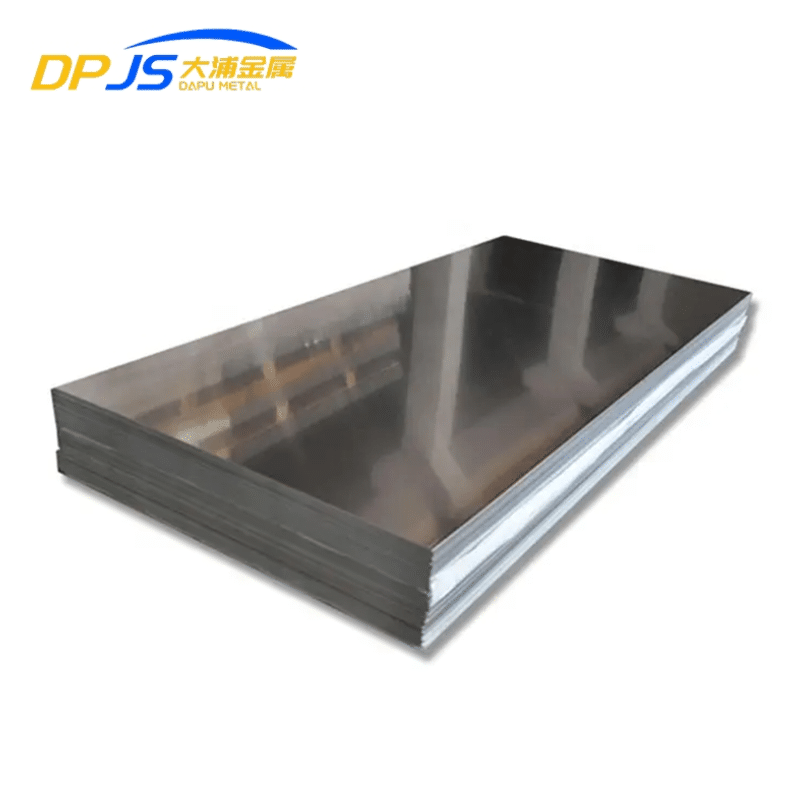
When these items reach the end of their life cycle, they become SS 304 scrap. This scrap is highly valued by mills and foundries because recycling it is far more energy-efficient than producing new stainless steel from raw ore. In fact, according to the International Stainless Steel Forum, the global average recycling rate for stainless steel is between 80% and 90%, making it one of the world’s most recycled materials. This high demand for recycled content directly fuels the SS 304 scrap market.
## Key Factors That Drive the SS 304 Scrap Price
The price you see quoted is the result of several powerful factors pushing and pulling against each other.
PRIMARY ALLOY VALUES: The most significant driver is the price of its primary alloying elements, especially nickel and chromium. Since nickel is a highly traded commodity on the London Metal Exchange (LME), its price volatility directly impacts the SS 304 scrap price. A surge in nickel prices typically lifts scrap values.
GLOBAL INDUSTRIAL DEMAND: The health of manufacturing and construction sectors worldwide dictates demand for new stainless steel. When factories are busy, mills need more raw material, including scrap, pushing prices up. Economic slowdowns have the opposite effect.
LOCAL MARKET DYNAMICS AND SUPPLY: Geography matters. A region with many food processing plants (heavy users of SS 304) generating scrap might have lower local prices due to abundant supply. Conversely, a region far from scrap sources may pay more due to transportation costs.
QUALITY AND PREPARATION OF THE SCRAP: Not all scrap is equal. Clean, sorted 304 scrap commands a premium. Contaminated material or mixed grades will be discounted heavily. A load of pure 304 kitchen sink cut-offs is worth more than a mixed bin of unidentified stainless.
## How SS 304 Scrap Prices Are Quoted and Calculated
Understanding the quote is half the battle. Prices are usually given in a standard format.
They are quoted per gross ton (2,240 pounds) in the United States, often as a price delivered to a specific mill or region. The quote is typically based on a combination of the commodity prices for nickel and a base price for 304 scrap. For example, a dealer might say, “18/8 bundles are trading at $1,200 per ton, based on LME Nickel at $18,000 per metric ton.” This means the price is tied to the metal exchange.
Dealers use a formula that accounts for the recoverable value of the alloys in the scrap, minus the costs of processing, transportation, and their margin. This is why building a relationship with a reputable dealer is crucial; transparency in this calculation builds trust.
## A Practical Guide to Getting the Best Price for Your SS 304 Scrap
Follow this step-by-step process to maximize your return and avoid common pitfalls.
STEP 1: IDENTIFY AND SEPARATE YOUR MATERIAL CORRECTLY. Use a magnet. Austenitic 304 stainless is generally non-magnetic or only slightly magnetic. Separate it clearly from magnetic steels (like carbon steel or 400-series stainless).
STEP 2: CLEAN AND PREPARE THE SCRAP. Remove any non-metallic attachments like plastic, rubber, wood, or insulation. The cleaner the material, the higher the grade and price.
STEP 3: ACCURATELY WEIGH YOUR MATERIAL. Use a certified scale to know the exact weight you are offering. This is essential for an accurate quote.
STEP 4: RESEARCH CURRENT MARKET CONDITIONS. Before calling buyers, check reputable sources for the LME nickel price and industry news. Websites like MetalBulletin or Argus Media provide market insights (source: industry standard price reporting agencies).
STEP 5: GET MULTIPLE QUOTES FROM REPUTABLE BUYERS. Contact several licensed and insured scrap metal dealers or recycling yards. Provide them with a detailed description of your material, including weight, form, and preparation level.
STEP 6: UNDERSTAND THE QUOTE. Ensure the quote includes all details: price per unit (ton/pound), any fees (transportation, handling), and the payment method and timing.
STEP 7: FINALIZE THE SALE AND DOCUMENT. Agree on terms, get a written ticket or contract, and ensure you receive a proper payment record.
## Common Mistakes and How to Avoid Them
A major area where sellers lose money is misunderstanding scrap grades. Based on my experience consulting with recycling operations, the single biggest error is assuming all shiny metal is high-value 304 stainless. This leads to two costly outcomes.
First, sellers may contaminate a load of genuine 304 with lower-grade materials, causing the entire lot to be downgraded and paid at a much lower rate. Second, they might accept a lowball offer for genuine 304 because they did not know its true value.
Another critical mistake is not shopping around. Prices can vary significantly between buyers, even in the same city, based on their current inventory needs and customer contracts. Failing to get multiple quotes means leaving money on the table.
## Comparing Scrap Buyer Types: Which is Right for You?
Not all buyers operate the same way. Your choice depends on the volume and nature of your scrap. The table below outlines the key differences.
| Buyer Type | Best For | Pros | Cons |
|---|---|---|---|
| Local Scrapyard / Recycling Center | Individuals, small businesses, one-off loads. | Immediate payment, convenient location, no minimum volume. | Prices may be lower, less specialized in stainless grading. |
| Specialized Stainless Scrap Broker | Large volumes, industrial generators, consistent supply. | Expert grading, access to national mill markets, potentially higher prices. | Often have minimum volume requirements, payment terms may be delayed. |
| Direct Mill Purchase | Very large, consistent suppliers (e.g., large manufacturing plants). | Highest possible price by cutting out intermediaries. | Extremely high volume requirements, complex logistics and contracts. |
## The Future Outlook for SS 304 Scrap Markets
The long-term trend for SS 304 scrap price is positive, driven by the global push for circular economies and sustainable manufacturing. As industries and governments mandate higher recycled content, demand for quality scrap like 304 will remain strong. However, short-term volatility will continue due to the inherent instability of commodity markets and global trade policies. Staying informed is not a one-time task but an ongoing part of doing business in this sector.
In conclusion, mastering the SS 304 scrap price is about combining knowledge of the material, the market, and the process. By understanding what drives value, preparing your material correctly, and dealing with reputable partners, you can ensure you are getting fair market value for your scrap.
CHECKLIST FOR SELLING SS 304 SCRAP
Confirm material is non-magnetic or slightly magnetic.
Remove all non-metallic contaminants like plastic or rubber.
Weigh material on a certified scale for accuracy.
Research current LME nickel price and market news.
Obtain written quotes from at least three licensed buyers.
Clarify all fees, payment terms, and timing before agreeing.
Secure a written transaction receipt or contract.
Keep records of the sale for accounting and compliance.