





# The Ultimate Guide to the Fruits of Guatemala: A Journey Through Flavor and Culture
Guatemala is a country celebrated for its vibrant culture, ancient ruins, and breathtaking landscapes. But for the discerning traveler and food enthusiast, its true treasure lies in an astonishing array of tropical and temperate fruits. The fruits of Guatemala are not just food; they are a sensory journey, a historical narrative, and a cornerstone of daily life. This guide will take you deep into this world, exploring the most iconic varieties, their uses, and where to find them.
Understanding the fruits of Guatemala means appreciating the country’s diverse climates. From the cool highlands to the humid coastal plains, this geography creates perfect conditions for an incredible variety of produce. Many of these fruits are now exported globally, but tasting them at their source is an unforgettable experience. We will cover everything from the universally beloved to the uniquely local.
## The Essential Fruits of Guatemala You Must Try
Your exploration should begin with the staples. These fruits form the backbone of Guatemalan markets and cuisine.
First, the humble banana. Guatemala is one of the world’s largest exporters, and the variety is astounding. Beyond the common Cavendish, seek out sweet, small “bananitos” or red bananas, which have a hint of raspberry flavor.
Next, the mango. During season, the air is perfumed with its sweet scent. Guatemalan mangoes, like the Tommy Atkins and Ataulfo varieties, are exceptionally juicy. They are eaten fresh, blended into licuados (smoothies), or made into spicy street snacks with lime and chili.
Then there is pineapple. Grown in the lowlands, Guatemalan pineapples are renowned for their intense sweetness and low acidity. They are a key ingredient in frescoes (fresh fruit drinks) and often grilled for a caramelized treat.
Of course, we cannot discuss the fruits of Guatemala without highlighting coffee. Yes, coffee is the seed of a fruit—the coffee cherry. The process of harvesting and processing these cherries is central to the country’s economy and culture. A visit to a finca (coffee farm) offers insight into this complex world.
## Unique and Exotic Guatemalan Fruits
This is where the adventure truly begins. Guatemala boasts fruits that are rare or unknown elsewhere.
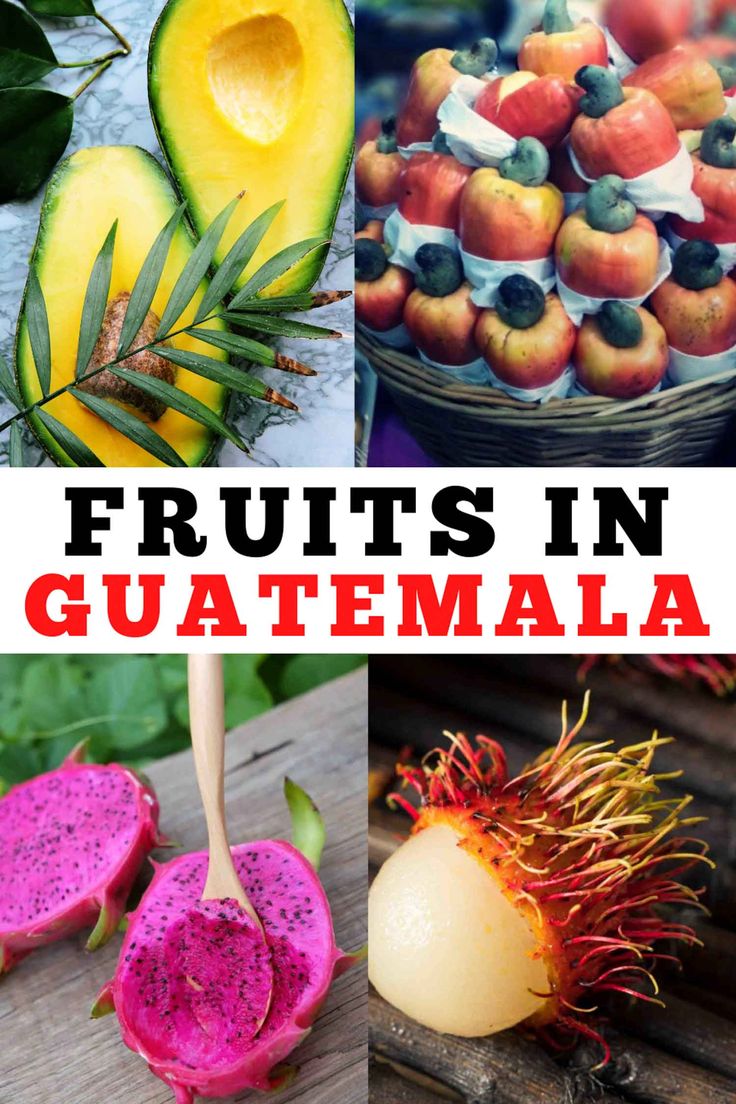
RAMBUTAN: This hairy cousin of the lychee is a visual spectacle. Crack open the spiky red shell to reveal a translucent, sweet, and slightly floral flesh. It is a seasonal delight found in local markets.
JOCOTE: Also known as the Spanish plum, this small, tart fruit is often eaten with salt. It comes in red and yellow varieties and is a popular snack, especially during the Easter season.
NANCE: These tiny, yellow berries have a distinctive, pungent aroma and a unique sour-sweet flavor. They are commonly used to make wines, vinegar, and candies, or eaten fresh by the handful.
MAMEY SAPOTE: With its rough brown skin and vibrant salmon-colored flesh, the mamey tastes like a cross between sweet potato, pumpkin, and almond. It is primarily used in milkshakes and ice creams.
PITAYA (Dragon Fruit): While now grown in many places, the pitaya from Guatemala is exceptionally fresh. The stunning magenta-fleshed variety is not only beautiful but packed with antioxidants.
## Nutritional Power and Health Benefits
The fruits of Guatemala are more than just tasty; they are nutritional powerhouses. The tropical climate encourages fruits to develop high levels of vitamins, minerals, and antioxidants to protect themselves from the sun, benefits that are passed on to us.
For instance, Guatemalan mangoes are an excellent source of vitamins A and C, crucial for immune function and skin health. The ubiquitous banana provides potassium and quick energy. The less common papaya contains papain, an enzyme that aids digestion. According to a report by the FAO, increased consumption of diverse fruits, like those found in Guatemala, is directly linked to improved micronutrient intake and overall health (来源: Food and Agriculture Organization of the United Nations).
From my experience traveling through Central American markets, the sheer diversity acts as a natural guide to a balanced diet. You instinctively consume a wide spectrum of nutrients simply by sampling what is in season.
## How Fruits Are Woven into Guatemalan Culture and Cuisine
Fruits are deeply embedded in the social and culinary fabric of Guatemala. They appear in every aspect of life.
In traditional markets, piles of colorful fruits create a mosaic of scent and color. Vendors often offer samples, turning shopping into a social and gustatory experience. Fruits are essential in religious and festival offerings, symbolizing abundance and gratitude.
Culinarily, their use is ingenious. Green mangoes are pickled. Plantains are fried into sweet maduros or savory chips. Black beans are often served with a side of fried plantain. The most iconic dessert, “plátanos en mole,” features ripe plantains in a sweet and spicy sauce. Fruits are also transformed into “atoles,” warm, thick drinks made from corn and fruit pulp.
## A Comparison of Popular Guatemalan Fruits
To help you distinguish between some key varieties, here is a simple comparison.
| Fruit Name | Appearance | Flavor Profile | Primary Uses | Seasonality |
|---|---|---|---|---|
| Rambutan | Red with soft, hairy spines | Sweet, floral, similar to lychee | Eaten fresh, in salads | Late Summer to Fall |
| Jocote | Small, oval, red or yellow skin | Tart, tangy, often eaten with salt | Fresh snack, in candies | Spring (around Easter) |
| Mamey Sapote | Rough brown skin, salmon flesh | Sweet, creamy, notes of pumpkin & almond | Milkshakes, ice cream, eaten fresh | Winter to Spring |
| Nance | Tiny yellow berries | Strong aroma, sour-sweet, slightly cheesy | Fermented drinks, candies, vinegar | Rainy season |
## Your 5-Step Guide to Experiencing Guatemalan Fruits Like a Local
To move beyond being a tourist and become a true fruit explorer, follow this simple guide.
STEP 1: VISIT A LOCAL MARKET. Go to a mercado like La Terminal in Antigua or the central market in Chichicastenango. Arrive early for the best selection.
STEP 2: ENGAGE WITH VENDORS. Do not be shy. Point, ask questions. “¿Cómo se llama?” (What is it called?) and “¿Cómo se come?” (How do you eat it?) are your best phrases.
STEP 3: START WITH THE FAMILIAR. Build confidence by buying known fruits like mango or pineapple, prepared by the vendor. Observe how they cut and serve it.
STEP 4: VENTURE INTO THE UNKNOWN. Pick one unfamiliar fruit from the list above. Ask the vendor to select a ripe one for you and show you how to open it.
STEP 5: SAVOR THE EXPERIENCE. Find a spot to sit, taste slowly, and note the texture, sweetness, acidity, and aroma. This mindful eating transforms simple tasting into a lasting memory.
## Common Mistakes to Avoid When Exploring Fruits
A WORD OF CAUTION: While exploring is encouraged, a few missteps can hinder your experience.
First, avoid buying pre-cut fruit from unrefrigerated displays if you have a sensitive stomach. Opt for fruits you peel yourself, like bananas or rambutan. Second, do not assume a fruit is sweet. Some, like green jocotes, are intensely sour and meant to be eaten with salt or chili. Third, remember that seasonality is key. You will not find fresh rambutan in December. Ask what is “de temporada” (in season) for the best flavor. Finally, wash all fruits thoroughly with purified water, even those you plan to peel, to avoid transferring bacteria from the skin.
## Bringing the Flavors Home: A Practical Checklist
Your journey through the fruits of Guatemala does not have to end at the airport. Use this checklist to bring the experience home.
GUATEMALAN FRUITS EXPERIENCE CHECKLIST
– Tried at least three exotic fruits unknown to you before the trip.
– Visited a traditional fruit market and interacted with a vendor.
– Drank a fresco or licuado made from a local fruit.
– Learned the names of five fruits in Spanish.
– Took a photo of the most unusual fruit you encountered.
– Researched if any of your new favorite fruits can be found in specialty stores at home.
– Attempted a simple Guatemalan recipe using fruit, like plátanos en gloria (fried sweet plantains).
– Shared your fruit discovery story with a friend or family member.
In conclusion, the fruits of Guatemala offer a delicious lens through which to understand the country’s ecology, culture, and people. They are a testament to biodiversity and a daily celebration of flavor. By seeking them out, you do more than just eat; you connect with the land and its traditions in the most fundamental way. Your culinary adventure awaits.