






# The Ultimate Guide to the English Name for Sooji: Semolina Explained
If you have ever found yourself in an international grocery aisle or browsing an English-language recipe, you might have hit a snag. You are looking for sooji, but the package says something entirely different. This common ingredient, a staple in South Asian, Middle Eastern, and Mediterranean kitchens, goes by several names worldwide. The direct and most accurate English name for sooji is SEMOLINA.
Semolina is the coarse, purified wheat middling of durum wheat. It is the primary ingredient in traditional pasta, couscous, and, of course, a vast array of sweet and savory dishes from Indian cuisine like upma, halwa, and rava dosa. Understanding this term is your key to unlocking a world of culinary possibilities and navigating recipes with confidence.
This guide will not only clarify the name but will dive deep into what semolina is, its various types, its incredible culinary uses, and how to shop for it effectively. Let us demystify this essential pantry staple.
## What Exactly Is Sooji or Semolina?
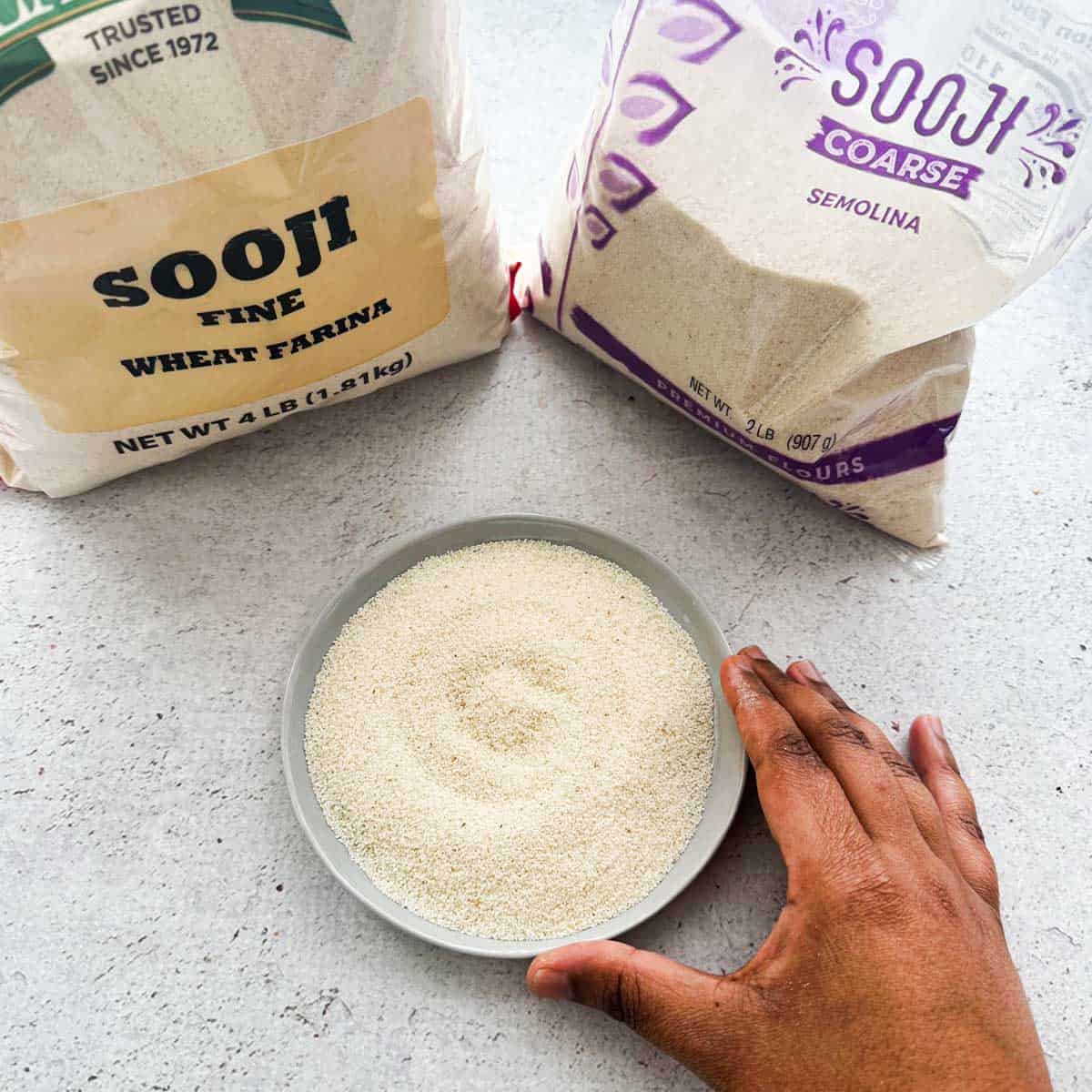
At its core, semolina is a flour-like product made by milling durum wheat, a hard variety of wheat high in gluten and protein. The milling process grinds the wheat coarsely, resulting in granular, sandy-textured particles rather than a fine powder. This granular texture is crucial for its culinary applications, as it allows the grains to remain separate when cooked, providing a distinct mouthfeel.
The term “sooji” is most commonly used in India, Pakistan, Bangladesh, and Nepal. In other parts of the world, you might encounter it as “rava.” Interestingly, while “sooji” often refers to a finer variety, and “rava” to a slightly coarser one, in practical cooking and shopping, the terms are frequently used interchangeably in South Asian contexts. The global English term encompassing all these is semolina.
## The Many Types and Names of Semolina
Not all semolina is created equal. The size of the grain and the type of wheat used create different products for different purposes. This variety is why confusion arises. Here is a breakdown:
FINE SEMOLINA (SOOJI/RAVA): This is the most common type used in Indian subcontinental cooking. It is perfect for quick-cooking dishes like halwa, upma, and for coating surfaces to prevent dough from sticking.
COARSE SEMOLINA: Often used in making traditional couscous (which is technically steamed pellets of semolina) and certain types of rustic bread and pizzas. It provides a more pronounced texture.
DURUM WHEAT SEMOLINA: This is the premium, high-protein semolina mandatory for making high-quality dried pasta. Its high gluten content gives pasta its firm structure and ability to hold its shape during cooking.
To clear the confusion, here is a simple comparison table:
| Common Name (Region) | English Name | Typical Grain Size | Primary Culinary Uses |
|---|---|---|---|
| Sooji (India, Pakistan) | Fine Semolina | Fine, like caster sugar | Halwa, Upma, Rava Idli/Dosa, Baking |
| Rava (South India) | Medium-Coarse Semolina | Slightly coarser than sooji | Upma, Savory pancakes, Frying batters |
| Semolina (Global/West) | Semolina (General) | Coarse, sandy | Pasta, Couscous, Bread, Puddings |
| Pasta Semolina | Durum Semolina | Very coarse, consistent | Manufacturing dried pasta, Artisanal bread |
## Why Semolina Is a Kitchen Powerhouse: Nutrition and Uses
Semolina is more than just a thickener or base. It is a nutritious and versatile ingredient. A 100-gram serving of dry, unenriched semolina provides about 360 calories and is a good source of protein, fiber, and essential minerals like iron and magnesium (source: USDA FoodData Central). Its complex carbohydrates provide sustained energy.
Its culinary applications are vast:
INDIAN & SOUTH ASIAN CUISINE: The foundation for savory upma, sweet sheera or halwa, instant dosas, and idlis. It is also used in sweets like rava laddu.
ITALIAN CUISINE: The soul of dried pasta and some gnocchi. It is also used in desserts like semolina cake or pudding (semolino).
MIDDLE EASTERN CUISINE: The base for couscous and used in desserts like basbousa and namoura.
BAKING: Used to dust baking surfaces to prevent sticking, giving bread a distinctive crust. It is also an ingredient in certain cakes and cookies.
## How to Buy the Right Semolina: A Step-by-Step Guide
Navigating the store or online market can be tricky. Follow this simple guide to ensure you get the product you need.
STEP 1: IDENTIFY YOUR RECIPE’S NEED. Is it for Indian halwa, Italian pasta-making, or a cake? This determines the grain size.
STEP 2: CHECK THE PACKAGING LABEL. In Western supermarkets, look for the word “Semolina.” For Indian dishes, look for “Fine Semolina” or explicitly “Sooji” or “Rava” in specialty stores.
STEP 3: EXAMINE THE GRAIN IF POSSIBLE. Fine semolina should feel like fine sand or powdered sugar. Coarse semolina will feel gritty.
STEP 4: LOOK FOR “DURUM WHEAT” FOR PASTA. If making pasta from scratch, this specification is non-negotiable for the best texture.
STEP 5: CONSIDER QUANTITY AND STORAGE. Buy in quantities you will use within a few months. Store in an airtight container in a cool, dark place to prevent rancidity.
## Common Mistakes and Misconceptions About Semolina
A crucial warning for all cooks: not all granular flours are semolina.
MISTAKE 1: CONFUSING SEMOLINA WITH CORNMEAL. While similar in color and texture, cornmeal is made from corn and has a very different flavor and cooking property. Using it as a substitute will alter your dish significantly.
MISTAKE 2: USING BREAD FLOUR OR ALL-PURPOSE FLOUR AS A DIRECT SUBSTITUTE. These fine flours will not provide the same granular texture and will lead to a gummy or dense result in dishes like upma or halwa.
MISTAKE 3: OVERLOOKING THE TOASTING STEP. In many Indian recipes, dry-roasting (or “tempering”) the semolina before adding liquid is essential. This step enhances its nutty flavor and prevents it from becoming lumpy. Skipping it is a common error that impacts the final taste and texture.
According to my experience working with culinary content, this toasting step is the single most frequent oversight home cooks make when trying semolina-based recipes for the first time, often leading to dissatisfaction with the result.
## Your Essential Semolina Cooking Checklist
Before you start your next culinary adventure with semolina, use this quick checklist to ensure success.
CONFIRM YOU HAVE FINE SEMOLINA FOR INDIAN DISHES OR DURUM SEMOLINA FOR PASTA.
MEASURE YOUR INGREDIENTS ACCURATELY, ESPECIALLY THE RATIO OF SEMOLINA TO LIQUID.
HEAT YOUR PAN AND DRY ROAST THE SEMOLINA UNTIL FRAGRANT FOR SAVORY AND SWEET PORRIDGE DISHES.
ADD HOT LIQUID TO THE ROASTED SEMOLINA SLOWLY, WHISKING CONSTANTLY TO AVOID LUMPS.
COVER AND LET THE DISH REST FOR A FEW MINUTES AFTER COOKING TO ALLOW THE SEMOLINA TO FULLY ABSORB THE MOISTURE AND ACHIEVE THE PERFECT TEXTURE.
In conclusion, the journey from wondering about the “english name for sooji” to mastering semolina is a rewarding one. This humble ingredient is a global citizen, bridging cuisines and cultures. With over 660 million metric tons of wheat produced globally annually (source: FAO), of which durum wheat for semolina is a significant portion, it remains a fundamental food product. By understanding its names, types, and uses, you empower yourself to cook with confidence and explore a wider, delicious world of recipes. So, the next time a recipe calls for semolina, you will know exactly what to reach for.