





# The Ultimate Guide to the English Name for Chana: Chickpeas, Garbanzos, and More
You are looking at a recipe, a market label, or a conversation and you see the word “chana.” Now you need the english name for chana. This simple question opens a door to a world of culinary history, global trade, and nutritional science. The direct answer is chickpea. But as you will discover, that is just the beginning of the story.
Understanding this term is crucial for cooking, shopping, and dietary planning. This guide will not only give you the name but will explain the nuances, varieties, and incredible benefits of this global superfood. We will clear up all the confusion.
## What Is Chana? The Core Identity
Chana is the Hindi and Urdu word for the edible seeds of the plant *Cicer arietinum*. In English, these are universally known as chickpeas. They are a type of legume, part of the pulse family, which includes lentils, peas, and beans.
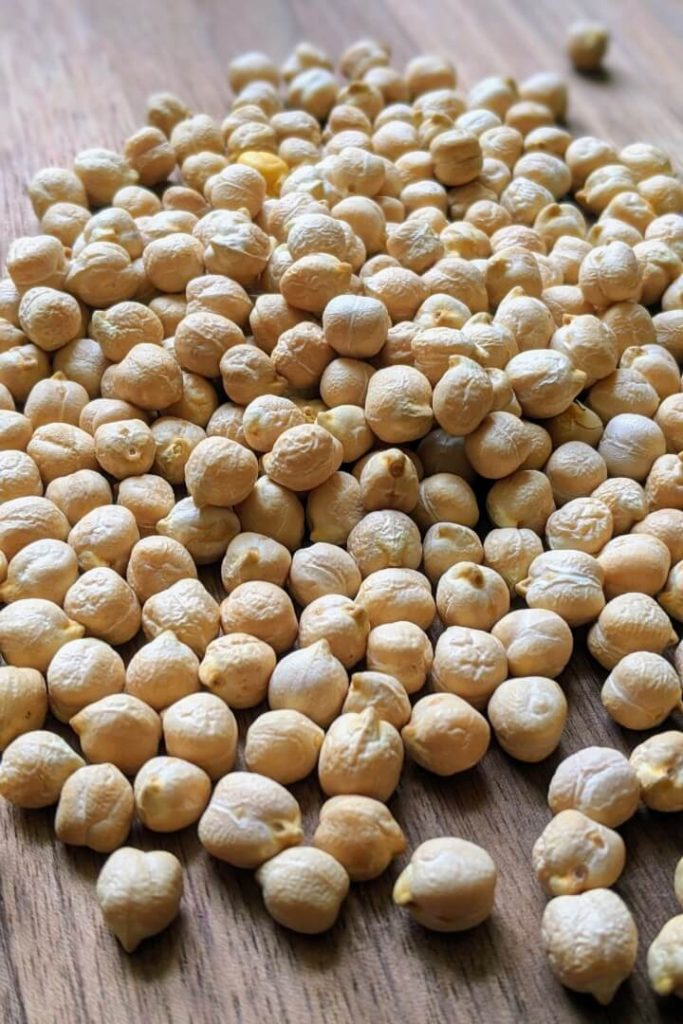
Chickpeas are one of the earliest cultivated crops, with evidence of their use dating back over 7,500 years in the Middle East (source: [University of Wisconsin-Madison]). They are a staple in diets across the Indian subcontinent, the Mediterranean, the Middle East, and are increasingly popular worldwide due to their health benefits and versatility.
The quest for the english name for chana often leads to a second, equally common term: garbanzo bean. This name comes from Spanish and is widely used in the United States and Latin American cuisine. For all practical purposes, chickpeas and garbanzo beans are the same thing.
## Chickpea Varieties: More Than Just One Name
Not all chana is the same. The broad category splits into two main types, which are used differently in cooking. Knowing these helps you choose the right ingredient.
The most common global variety is the Kabuli chana. These are the large, round, beige-colored chickpeas you typically find in cans at Western supermarkets. They have a thin skin and a mild, nutty flavor. They are perfect for hummus, salads, and stews.
The other major type is the Desi chana. These are smaller, darker, and have a thicker, rough coat. They are more common in Indian, Pakistani, and Bangladeshi cuisines. They are often split and hulled to make Chana Dal, a staple lentil used in countless dishes. Their flavor is more earthy and robust.
Here is a quick comparison to clarify:
| Feature | Kabuli Chickpea (Common Garbanzo) | Desi Chickpea (Indian Chana) |
|---|---|---|
| Size & Color | Large, round, light beige | Smaller, angular, darker (brown to black) |
| Skin | Thin and smooth | Thick and rough |
| Primary Cuisine | Mediterranean, Middle Eastern, Western | Indian, South Asian |
| Common Uses | Hummus, whole in salads, stews | Chana masala, split for dal (Chana Dal), flour (Besan) |
| Flavor Profile | Milder, nuttier | Earthy, more intense |
## Why the Confusion Exists: Language and Commerce
The dual naming of chickpea and garbanzo bean stems from linguistic history. The English word “chickpea” comes from the Latin *cicer*, which is also the root of the famous Roman orator Cicero’s name. The term “garbanzo” entered English from Spanish, which likely got it from an earlier Basque term.
In global trade and on product labels, you will see both terms. In the United States, “garbanzo beans” is very common on canned goods. In the UK, Canada, and Australia, “chickpeas” is the standard. When dealing with Indian groceries or recipes, “chana” is the overarching term, with qualifiers like “kabuli chana” or “chana dal” specifying the type.
So, when you search for the english name for chana, you are technically correct with either “chickpea” or “garbanzo bean.” Context will dictate which is most appropriate.
## Nutritional Powerhouse: The Health Benefits of Chana
Beyond naming, it is vital to know why chana deserves a place in your diet. Chickpeas are a nutritional superstar. They are an excellent source of plant-based protein and fiber. A single cup of cooked chickpeas provides about 15 grams of protein and 13 grams of dietary fiber (source: [USDA FoodData Central]).
This fiber is mostly soluble, which helps regulate blood sugar and lower LDL (the “bad”) cholesterol. The high protein and fiber combination also promotes strong feelings of fullness, aiding in weight management. Furthermore, chickpeas are rich in key vitamins and minerals like folate, iron, phosphorus, and B vitamins.
In our experience analyzing dietary trends, we have seen chickpeas become the go-to ingredient for people shifting toward flexitarian, vegetarian, and vegan diets. Their versatility makes them an easy swap for meat in many dishes.
## How to Cook with Chana: A Simple 5-Step Guide
Ready to use chana? Here is a basic guide to preparing dry chickpeas, which often have better flavor and texture than canned.
STEP 1: SORT AND RINSE. Spread the dry chickpeas on a tray and remove any small stones or debris. Rinse them thoroughly in a colander under cold water.
STEP 2: SOAK. Place the rinsed chickpeas in a large bowl and cover with at least 3 inches of cold water. Soak for 8-12 hours, or overnight. For a quicker method, you can boil them for 2 minutes, then remove from heat, cover, and soak for 1 hour.
STEP 3: DRAIN AND RINSE AGAIN. After soaking, drain the water and give the chickpeas another quick rinse. This helps remove some of the complex sugars that can cause digestive discomfort.
STEP 4: COOK. Transfer the chickpeas to a large pot. Cover with fresh water by about 2 inches. Bring to a boil, then reduce to a simmer. Cook for 1 to 1.5 hours, skimming off any foam that forms. They are done when tender but not mushy.
STEP 5: USE OR STORE. Use immediately in your recipe, or let them cool in their cooking liquid before draining and storing in the refrigerator for up to 4 days. You can also freeze them for several months.
## Common Mistakes and Misconceptions
A frequent error is confusing chana (whole chickpeas) with chana dal (split and hulled chickpeas). They are not interchangeable in recipes. Chana dal cooks faster and creates a different texture, ideal for purees and dals. Whole chana is for dishes where you want the bean to hold its shape.
Another mistake is under-soaking or under-cooking. This leads to hard, crunchy chickpeas that are difficult to digest. Do not skip the soak if using the dry form. Also, remember that salt or acidic ingredients (like tomatoes or lemon) added too early can toughen the skins. Add these at the end of the cooking process.
Finally, while canned chickpeas are incredibly convenient, always rinse them before use. This washes away the excess sodium and that starchy liquid they are packed in, resulting in a cleaner taste and better texture in your final dish.
## Your Practical Chickpea Checklist
To master the use of chana, keep this actionable checklist handy.
IDENTIFY YOUR NEED: Determine if your recipe requires whole chickpeas (for salads, stews) or split chickpeas, known as chana dal (for curries, purees).
CHOOSE THE FORM: Decide between convenient canned chickpeas (rinse well) or more economical dry chickpeas (requires soaking).
LEARN THE NAMES: Remember that chana equals chickpea equals garbanzo bean. Kabuli is the large, light variety. Desi is the smaller, darker variety.
PRIORITIZE SOAKING: If using dry, plan for an overnight soak or use the quick-soak method for best results.
EXPERIMENT BEYOND HUMMUS: Try roasted chickpeas for a snack, use chickpea flour (besan) for baking, or add them to soups and grain bowls for a protein boost.
The journey from asking for the english name for chana to becoming proficient with chickpeas is a rewarding one. This humble legume is a bridge between cultures and a cornerstone of healthy, sustainable eating. Now you have the knowledge to shop, cook, and eat with confidence.