





# The Ultimate Guide to Sports Team Water Bottles: 7 Key Factors for Peak Performance
Choosing the right sports team water bottles is a bigger decision than many coaches and managers realize. It is not just about handing out something to drink from. The right bottle can impact hydration, team unity, and even performance. A poor choice can lead to leaks, bacterial growth, and wasted budget. This guide will walk you through everything you need to know to make an informed, strategic purchase for your team.
We will cover the critical factors, from material safety to custom branding, and provide a clear action plan. By the end, you will have a checklist to ensure your next order supports your athletes perfectly.
## Understanding the Core Purpose of Team Water Bottles
At its heart, a team water bottle serves three primary functions: hydration, identification, and morale. Hydration is the obvious one. Proper fluid intake is non-negotiable for athletic performance and recovery. A study published in the Journal of Sports Sciences notes that even mild dehydration of just 2% body weight loss can significantly impair physical and cognitive performance (来源: Journal of Sports Sciences). The right bottle makes consistent drinking easier and more appealing.
Secondly, these bottles provide clear identification. On a busy sideline or in a shared gym bag, a personalized bottle prevents mix-ups and promotes hygiene. Finally, custom team bottles build a sense of belonging and pride. They are a uniform accessory that reinforces team identity.
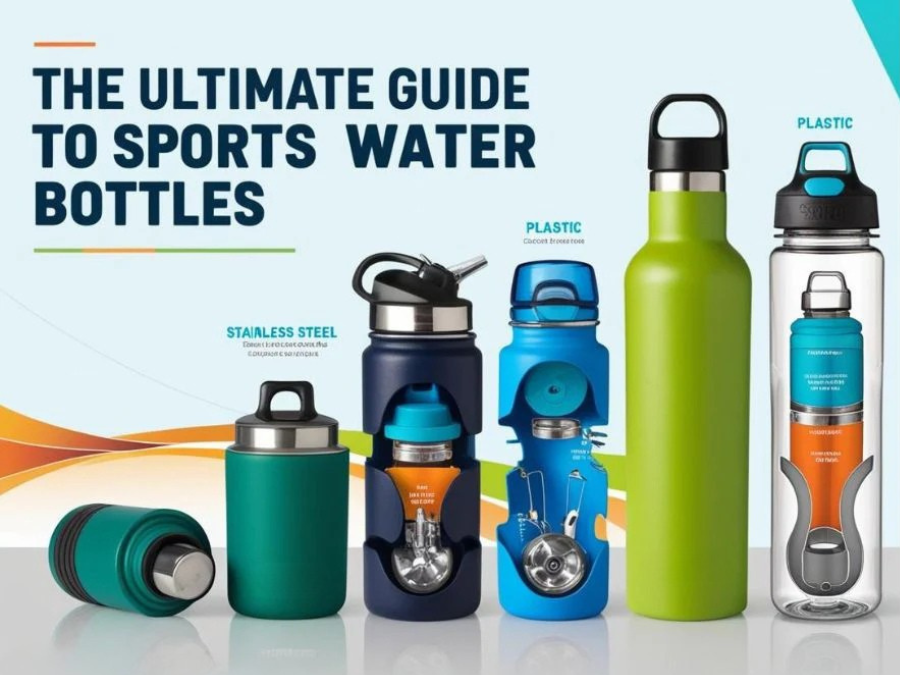
## Material Matters: Plastic, Stainless Steel, and More
The material is your first and most important decision. It affects safety, durability, taste, and insulation.
Plastic bottles are lightweight and affordable, making them popular for youth sports. However, you must ensure they are BPA-free. Bisphenol A is a chemical previously common in plastics that has raised health concerns. Most reputable brands now clearly label their products as BPA-free. Within plastic, look for Tritan or similar premium copolyesters. They are more durable and resistant to odors and stains than standard plastic.
Stainless steel water bottles are the heavyweight champions for durability and temperature retention. A double-walled, vacuum-insulated stainless steel bottle can keep drinks cold for 24 hours or hot for 12. They are virtually indestructible but are more expensive and heavier. They are an excellent investment for elite teams or for use with both water and recovery shakes.
Silicone and collapsible bottles are niche options. Silicone sleeves add grip and protection. Collapsible bottles save space when empty, ideal for runners or cyclists with limited bag room.
Here is a quick comparison of the two most common materials:
| Feature | High-Quality Plastic (e.g., Tritan) | Stainless Steel (Insulated) |
|---|---|---|
| Durability | Good, but can crack if dropped | Excellent, highly dent-resistant |
| Weight | Very Light | Heavy |
| Insulation | None (drinks reach ambient temp) | Superior (keeps temp for hours) |
| Cost per Unit | Low to Medium | Medium to High |
| Best For | Youth teams, large squads, budget-conscious orders | Varsity/elite teams, hot/cold climate training, long-term use |
## Lid and Spout Design: Function Over Frills
The lid might seem minor, but it dictates the drinking experience. There are several common types for team sports bottles.
Flip-top or push-pull spouts are very popular. They are easy to open with one hand and close securely to prevent leaks. They are a great all-around choice for most sports.
Straw lids encourage more frequent sipping, which can improve hydration consistency. However, they can be harder to clean thoroughly, leading to mold if not maintained.
Screw-top lids (like a standard bottle cap) are the simplest and often the most leak-proof. However, they require two hands to open and close, which can be inconvenient mid-activity.
For team settings, we recommend flip-top or screw-top designs for their balance of ease, hygiene, and leak resistance. Straw lids are better for individual, meticulously cleaned personal bottles.
## The Critical Role of Customization and Branding
This is where team water bottles become more than just containers. Customization transforms generic bottles into team assets. The most common method is screen printing, which applies your team logo, colors, and player names or numbers directly onto the bottle. It creates a durable, professional look.
Another option is using vinyl decals or wraps. These are less permanent but can be a cost-effective way to brand existing bottles. For a premium feel, some companies offer engraved stainless steel bottles.
From my experience working with collegiate teams, the psychological impact is real. Athletes take greater care of a bottle that has their name and logo on it. It reduces loss and increases the perceived value of the item. It also presents a unified, professional image during travel and competitions.
## Capacity and Size: Matching the Sport
Bottle capacity should match the sport’s demands. Endurance athletes like soccer players or cross-country runners need more fluid. Look for bottles in the 24-ounce (700ml) to 32-ounce (950ml) range. For sports with frequent breaks, like baseball or football, smaller 16-ounce (500ml) bottles might be sufficient, as they can be refilled often.
Consider portability. Will the bottle fit in a gym bag’s side pocket? Can a young athlete easily hold it? Ergonomics matter. Some bottles feature a tapered design or grip zones for better handling.
## Hygiene and Cleaning: A Non-Negotiable Priority
A dirty water bottle is a health hazard. Bacteria and mold thrive in moist, dark environments. All team bottles must be easy to clean. Wide-mouth designs are superior because they allow your hand or a brush inside to scrub all surfaces.
Dishwasher safety is a major plus. Most plastic and stainless steel bottles are top-rack dishwasher safe, but always check the manufacturer’s guidelines. Lids, especially those with straws or complex valves, often need to be disassembled and hand-washed.
WARNING: COMMON HYGIENE MISTAKES
A frequent mistake is only rinsing a bottle with water and immediately refilling it. This does not remove biofilm. Bottles need a thorough wash with hot, soapy water after every use. Another error is storing a bottle with the lid sealed while it is still damp inside. Always air-dry bottles completely with the lid off before storing.
## A 5-Step Guide to Ordering Your Team’s Water Bottles
Follow this process to ensure a smooth, successful purchase.
STEP 1: DEFINE YOUR NEEDS AND BUDGET.
Gather input from coaches and players. Decide on the primary material (plastic vs. steel), approximate capacity, and must-have features like leak-proof lids. Set a clear per-unit budget, including the cost of customization.
STEP 2: RESEARCH AND SHORTLIST SUPPLIERS.
Look for reputable suppliers specializing in bulk and custom sports drinkware. Read reviews, ask for samples, and compare pricing structures. Do they offer volume discounts for team orders?
STEP 3: REQUEST AND EVALUATE SAMPLES.
Never order hundreds of units blind. Order 2-3 physical samples from your top contenders. Test them: fill them, shake them, check for leaks, taste the water after a few hours, and see how they feel in hand.
STEP 4: FINALIZE ARTWORK AND PLACE A PILOT ORDER.
Prepare high-resolution vector files of your logo. Work with the supplier’s design team on a proof. If it is a large order, consider a small pilot order of 25 units first to check quality before committing to the full team set.
STEP 5: IMPLEMENT A HYDRATION AND CARE PROTOCOL.
When the bottles arrive, distribute them with clear instructions on care and cleaning. Emphasize that it is personal gear. Consider implementing a “bring your bottle” policy for all practices and games to ensure hydration habits are formed.
## The Final Checklist for Perfect Sports Team Water Bottles
Before you click “order,” run through this final checklist. It consolidates all the key points from this guide.
MATERIAL SAFETY: Confirm the bottle is made from BPA-free, food-grade materials. For plastic, Tritan or similar is ideal. For steel, ensure it is 18/8 or 304-grade.
LEAK-PROOF GUARANTEE: The lid must seal securely. Test the sample by turning it upside down and shaking it vigorously.
EASE OF CLEANING: The mouth must be wide enough for a brush. All lid components should be removable for cleaning.
APPROPRIATE CAPACITY: The size matches the sport’s hydration needs and the age of the athletes. 24-32 oz for endurance, 16-24 oz for others.
CUSTOMIZATION QUALITY: The printing or engraving method should be durable, smear-resistant, and visually sharp with your team colors.
ERGONOMICS AND DURABILITY: The bottle should be easy to grip, not too heavy when full, and built to withstand drops and dings.
SUPPLIER REPUTATION: The supplier has positive reviews, good customer service, and reliable production and shipping timelines.
By carefully considering each of these factors, you will invest in team water bottles that serve your athletes well for an entire season and beyond. The right choice supports performance, promotes health, and strengthens team spirit with every sip.