





# The Ultimate Guide to Smart Supply Chain Orchestration: 5 Steps to Unlock Resilience and Efficiency
Modern supply chains are complex webs. They stretch across continents, involve countless partners, and face constant disruption. Traditional management methods, which often involve manually connecting disparate systems, are breaking down. This is where smart supply chain orchestration emerges not as a luxury, but as a critical necessity. It represents the evolution from simple visibility and automation to intelligent, unified command and control.
But what exactly is it? In essence, smart supply chain orchestration is the practice of using advanced technologies like AI, machine learning, and the Internet of Things (IoT) to dynamically coordinate and optimize the flow of goods, information, and finances across the entire network. It is the central nervous system that makes decisions in real-time, balancing cost, service, and risk. This guide will break down why it matters, how it works, and provide a clear roadmap for implementation.
## The Core Problem: Why Siloed Systems Are Failing You
For years, companies have invested in point solutions: a great warehouse management system here, a robust transportation management system there, and perhaps a separate platform for demand planning. The result? Data silos. Your logistics team might see a delay at a port, but that information doesn’t automatically trigger an alert for your procurement team to source alternative materials or for your customer service team to proactively manage expectations.
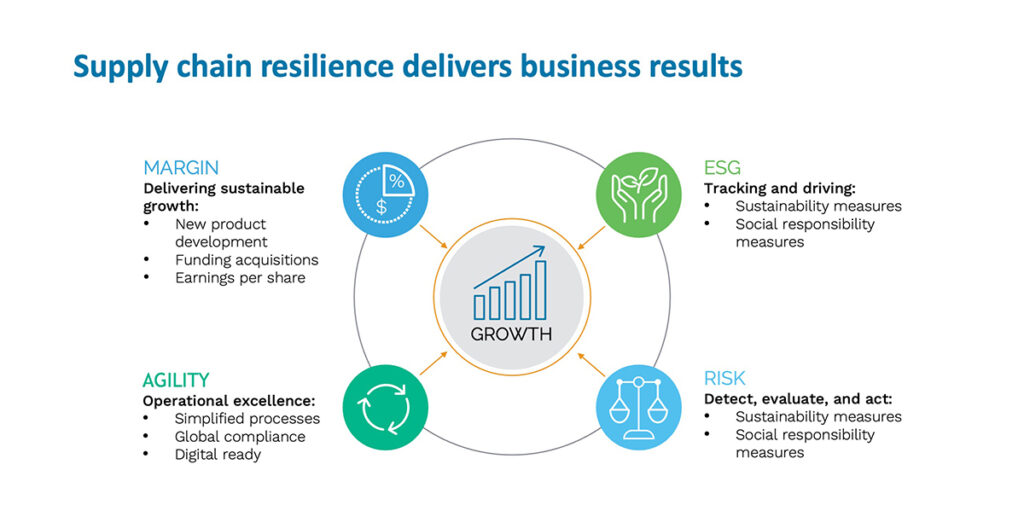
This lack of synchronization is costly. According to a 2023 report by McKinsey, companies with highly synchronized supply chains can improve customer service levels by up to 20% while reducing inventory holdings and logistics costs by a similar margin. The gap between leaders and laggards is widening, driven by the ability to orchestrate.
## Defining Smart Orchestration: Beyond Automation
It is crucial to distinguish between automation and orchestration. Automation is about replacing a manual task with a rule-based digital one—like automatically sending a purchase order when inventory hits a certain level. Orchestration is higher-order thinking. It involves multiple automated processes and makes contextual decisions between them.
For example, smart supply chain orchestration doesn’t just reorder stock. It analyzes real-time sales data, weather forecasts impacting shipping lanes, supplier reliability scores, and alternative sourcing costs. Then, it might decide to split the order between two suppliers, reroute in-transit goods, and adjust promotional plans—all without human intervention. The goal is end-to-end optimization, not just functional efficiency.
## The Technological Pillars of Intelligent Orchestration
This capability is built on a foundation of interconnected technologies. You cannot have smart orchestration without them.
First, a cloud-based platform acts as the central hub, integrating data from all your existing systems (ERP, WMS, TMS) and external sources (IoT sensors, market feeds). Second, Artificial Intelligence and machine learning provide the brains, identifying patterns, predicting disruptions, and recommending or executing actions. Third, the Internet of Things delivers real-time visibility into the location and condition of assets. Finally, advanced analytics and simulation tools allow you to model “what-if” scenarios.
From my experience consulting with manufacturing and retail teams, the biggest hurdle is often cultural, not technical. Getting departments to trust and act on the recommendations of an AI-driven system requires a shift in mindset from reactive problem-solving to proactive, system-wide management.
## Critical Capabilities: What to Look for in a Solution
Not all platforms are created equal. When evaluating solutions for smart supply chain orchestration, you should demand these core functionalities:
A true control tower that provides a single pane of glass for the entire network.
Prescriptive analytics that go beyond telling you what happened to recommending what you should do next.
The ability to simulate the impact of decisions before you commit.
Seamless integration capabilities with your existing tech stack and partner systems.
To help differentiate, here is a comparison of two common approaches companies take:
| Feature / Aspect | Best-of-Breed Point Solution Integration | Unified Smart Orchestration Platform |
|---|---|---|
| DATA UNIFICATION | Requires complex, ongoing integration projects to connect silos. Data latency is common. | Built on a common data model, providing real-time, harmonized data from day one. |
| DECISION MAKING | Optimizes within a single function (e.g., warehouse cost). Can create sub-optimizations for the whole chain. | Makes cross-functional trade-off decisions to optimize for total business outcomes (e.g., profit, service). |
| RESPONSE TO DISRUPTION | Reactive. Teams in different functions become aware of issues at different times, slowing response. | Proactive. The system detects anomalies and executes pre-defined or AI-generated playbooks across functions instantly. |
| TOTAL COST OF OWNERSHIP | High initial and ongoing integration costs, multiple vendor contracts. | Typically lower long-term TCO due to single platform management and reduced integration overhead. |
## Your 5-Step Implementation Roadmap
Transitioning to an orchestrated supply chain is a journey. Follow this actionable guide to build momentum and demonstrate value.
STEP 1: ASSESS AND MAP YOUR CURRENT STATE.
Begin by thoroughly mapping your as-is supply chain network. Identify all nodes, partners, data sources, and existing systems. Document the key pain points—where are the biggest delays, cost overruns, or communication breakdowns? This map becomes your baseline.
STEP 2: DEFINE CLEAR, MEASURABLE OBJECTIVES.
What does success look like? Is it a 15% reduction in inventory days, a 10-point improvement in on-time-in-full delivery, or a specific increase in revenue through better product availability? Set 2-3 primary KPIs aligned to business goals. A study by Gartner notes that organizations with clearly defined supply chain metrics are 2.5 times more likely to report superior performance.
STEP 3: START WITH A FOCUSED PILOT.
Do not attempt a big-bang, network-wide rollout. Select a specific product line, a critical lane, or a single customer segment. Implement the orchestration platform for this controlled scope. This limits risk and allows you to refine processes, demonstrate ROI, and build internal advocacy.
STEP 4: INTEGRATE AND CONNECT DATA SOURCES.
Work with your platform provider to connect the core data feeds for your pilot. This includes internal ERP data, IoT sensor data from shipments, and external data like weather or port congestion indexes. The quality of orchestration depends entirely on the quality and timeliness of the data ingested.
STEP 5: EMPOWER AND TRAIN YOUR TEAMS.
Shift your planners and managers from being daily executors to exception handlers and strategy developers. Train them to interpret system recommendations, configure business rules, and oversee the automated workflows. Their role becomes more valuable as they manage by exception.
## A Crucial Warning: Common Pitfalls to Avoid
ATTENTION: A successful smart supply chain orchestration initiative can be derailed by focusing solely on technology. The most common and costly mistake is neglecting the people and process dimensions. If your team does not trust the system or clings to old, manual ways of working, even the most advanced AI will fail. Change management is not an optional add-on; it is a core component of the project from day one. Another pitfall is pursuing perfect data before starting. Aim for the most relevant and accurate data available for your pilot, and improve quality iteratively.
## The Tangible Benefits: What You Stand to Gain
The investment in smart supply chain orchestration pays dividends across the board. Companies achieve greater resilience, able to anticipate and pivot away from disruptions faster than competitors. Efficiency gains are substantial, cutting costs from excess inventory, expedited freight, and manual labor. Perhaps most importantly, it drives superior customer experience through reliable, transparent, and agile service. In today’s market, that is the ultimate competitive advantage.
## Your Action Checklist for Getting Started
To move from concept to action, use this practical checklist. Review each item and assign an owner.
IDENTIFY YOUR SPONSOR: Secure a C-level executive champion for the initiative.
CONDUCT THE DIAGNOSTIC: Complete the current-state mapping and pain point analysis.
SET THE TARGET: Define the 2-3 primary KPIs for the pilot program.
FORM THE TEAM: Assemble a cross-functional team with representatives from planning, logistics, IT, and procurement.
EVALUATE PLATFORMS: Research and shortlist vendors based on the core capabilities outlined earlier.
DESIGN THE PILOT: Select the bounded scope for your first implementation phase.
PLAN FOR CHANGE: Develop a communication and training plan for affected teams.
MEASURE AND COMMUNICATE: Track pilot performance against KPIs and share successes to build support for broader rollout.
The journey to smart supply chain orchestration is the definitive path to building a supply chain that is not just efficient, but intelligently adaptive. It transforms your network from a cost center into a strategic, value-driving asset. The time to start is now.