





# The Ultimate Guide to Peru Sports: Culture, Passion, and National Identity
Peru sports represent far more than just games and competitions. They are a vibrant expression of national culture, a source of immense pride, and a unifying force across the diverse landscapes of this Andean nation. From the roaring crowds at a football stadium in Lima to the ancient traditions played high in the mountains, the sporting life of Peru tells a story of history, resilience, and community. This guide dives deep into the heart of Peruvian athletics, exploring its most popular disciplines, cultural significance, rising stars, and how you can experience it firsthand.
The passion for sports in Peru is palpable. It is a common language spoken from the coastal capital to the Amazonian lowlands. Understanding this aspect is key to understanding Peru itself. The nation’s sporting achievements and fervor provide a unique lens into its social fabric and collective spirit. We will explore the giants, the underdogs, and the traditional games that define the Peruvian athletic experience.
## The Undisputed King: Football in Peruvian Life
No discussion of Peru sports is complete without football, or soccer. It is not merely a sport; it is a national obsession. The Peruvian national football team, known as La Blanquirroja, commands a devotion that transcends generations. Their qualification for the 2018 FIFA World Cup after a 36-year absence was a moment of pure national euphoria, uniting the country in celebration. The domestic league, Liga 1, features historic clubs like Alianza Lima, Universitario de Deportes, and Sporting Cristal, whose rivalries are the stuff of legend.
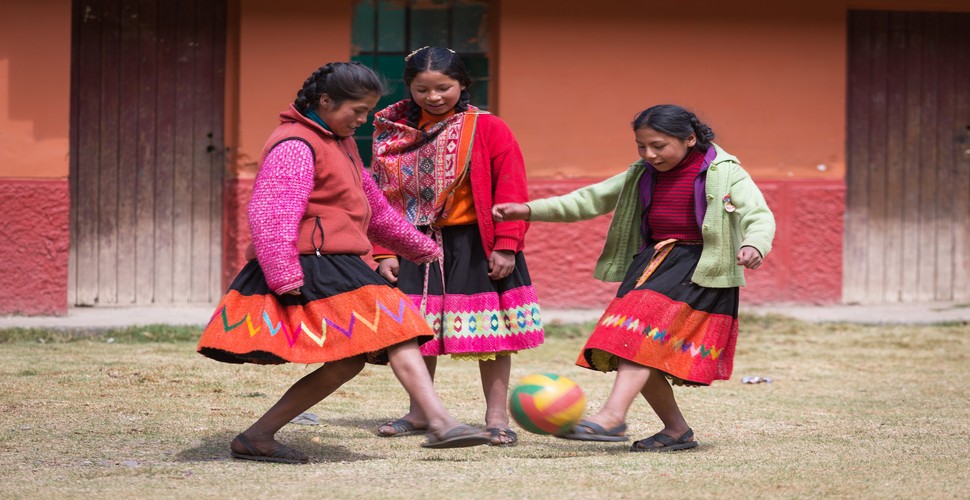
The style of Peruvian football is often noted for its flair, technical skill, and creativity. Legends like Teófilo Cubillas and Hugo Sotil paved the way for modern stars such as Paolo Guerrero and Jefferson Farfán. The fan culture is intense, with barra bravas creating an electrifying atmosphere in stadiums. Attending a clásico match in Lima is an unforgettable experience, a sensory overload of color, sound, and passion that is the pinnacle of Peruvian sports fandom.
## Beyond the Pitch: Other Major Sports in Peru
While football dominates the headlines, the Peruvian sports landscape is richly diverse. Several other disciplines have strong followings and have produced world-class athletes.
Volleyball, particularly women’s volleyball, is a huge source of pride. The Peruvian women’s national team was a global powerhouse in the 1980s, winning silver at the 1988 Seoul Olympics. Players like Cecilia Tait and Gabriela Pérez del Solar became national icons. Although the team’s fortunes have fluctuated, the legacy remains, and the sport maintains a dedicated fanbase.
Surfing is another area where Peru excels, leveraging its long Pacific coastline. Peru is the birthplace of world champion surfer Sofía Mulánovich, and the country has hosted world championship tour events. The waves at spots like Punta Hermosa and Cabo Blanco are legendary. Furthermore, Peru holds the unique distinction of having archaeological evidence of a form of wave riding on reed boats, or caballitos de totora, dating back thousands of years, making it a contender for the birthplace of surfing itself. (来源: [Federation of International Surfing])
Athletics, especially long-distance running, has deep roots in the Andean highlands, where altitude provides a natural training ground. Athletes like Inés Melchor (long-distance) and Cristhian Pacheco (marathon) have achieved significant international success.
## Traditional and Indigenous Sports of Peru
To truly grasp the essence of Peru sports, one must look to its ancestral past. Several traditional games are still practiced, connecting modern Peruvians with their pre-Columbian heritage.
Sapo, or “the frog,” is a popular tavern game where players toss metal discs into a ornate brass box, aiming for the mouth of a frog figurine for the highest score. It is a game of skill and chance found in social clubs across the country.
More physically demanding are the traditional wrestling style known as Lucha Libre Takanakuy, practiced in some Andean communities during festivals, and the mock battles that reenact historical conflicts. Perhaps the most iconic is the annual volleyball match played on the highest court in the world, at over 5,000 meters above sea level in the Andes, a testament to the endurance and spirit of local communities.
## The Business and Development of Peruvian Athletics
The professional side of Peru sports involves a complex ecosystem of clubs, federations, and media. Investment in infrastructure and youth development is an ongoing challenge and priority. The table below contrasts two of the most prominent football clubs, highlighting their distinct identities and approaches.
| Club | Founded | Fanbase & Identity | Notable Achievements | Home Stadium |
|---|---|---|---|---|
| Alianza Lima | 1901 | Historically working-class, immense popular support, known for passionate “comando” fans. | 25 Liga 1 titles, Copa Libertadores runner-up (1976, 1978). | Estadio Alejandro Villanueva (Matute) |
| Universitario de Deportes | 1924 | Founded by university students, associated with a more middle-class and institutional identity. | 27 Liga 1 titles, Copa Libertadores runner-up (1972). | Estadio Monumental “U” |
The government and private sector have initiatives to promote sports at the grassroots level, aiming to discover new talent and provide healthy outlets for youth. Success in international competitions is seen as a major boost for national morale and a point of entry onto the global stage.
## How to Experience Peru Sports Like a Local
For visitors, engaging with Peru sports is a fantastic way to connect with local culture. Here is a step-by-step guide to doing it authentically.
STEP 1: Check the calendar. Research the schedule for Liga 1 football matches, preferably a clash between major teams. The season typically runs from February to November.
STEP 2: Secure tickets safely. Purchase tickets through official club websites or authorized vendors. Avoid unofficial scalpers for safety.
STEP 3: Choose your seating. For the full immersive experience, consider the popular stands (popular sur or norte). For a more family-friendly view, opt for the covered grandstand (tribuna).
STEP 4: Arrive early. Go to the stadium at least 90 minutes before kickoff. Soak in the pre-match atmosphere, see the fans gathering, and try local stadium snacks like anticuchos (grilled skewers) or choclo con queso (corn with cheese).
STEP 5: Embrace the passion. Sing along with the chants, wear team colors, and respect the local customs. Remember, you are there to witness a cultural event as much as a sporting contest.
WARNING: COMMON MISCONCEPTIONS
A common mistake is to think Peruvian sports culture begins and ends with football. While it is the giant, ignoring other sports means missing a huge part of the story. The depth of history in surfing, the legacy of women’s volleyball, and the endurance of Andean runners are equally integral to the national sporting identity. Furthermore, assuming all fan behavior is uniformly aggressive is inaccurate; while passion runs high, many matches are enjoyed by diverse groups of families and fans.
Based on my experience traveling and working with cultural organizations in Lima and Cusco, the unifying power of sport is most evident during national team matches. We have seen streets empty and then erupt in synchronized celebration when Peru scores, a moment where all social and economic differences momentarily dissolve in shared joy.
## The Future of Sports in Peru
The trajectory for Peru sports looks promising. Continued investment in facilities, a growing emphasis on sports science, and the inspiring success of recent national teams are building momentum. The challenge lies in broadening the base of success beyond football and creating sustainable pathways for athletes in all disciplines. The rich vein of traditional games also offers unique opportunities for cultural tourism and preservation.
As the world takes more notice, from surf tourists to football scouts, Peru’s athletic spirit is poised for a new chapter. It remains a powerful expression of who Peruvians are: resilient, passionate, and deeply connected to their history and land.
PERU SPORTS EXPERIENCE CHECKLIST
– Attend a live football match in Lima, preferably a clásico.
– Learn about the history of Peruvian women’s volleyball.
– Visit the beaches of Punta Hermosa, a hub for Peruvian surfing.
– Try your hand at a traditional game of Sapo in a local tavern.
– Research and acknowledge a traditional Andean sport or festival game.
– Follow a current Peruvian athlete in an Olympic sport like athletics or shooting.
– Sample local food and drink in a sports bar during a national team broadcast.
– Read about the architectural history of Lima’s iconic stadiums.
– Understand the rivalry between Alianza Lima and Universitario de Deportes.
– Respect the deep cultural significance sports hold in Peruvian society.