






# The Ultimate Guide to Partner Sport: 5 Steps to Find Your Perfect Match and Transform Your Fitness
Looking for a way to make exercise more fun, consistent, and effective? You are not alone. The concept of partner sport is revolutionizing how people approach fitness. It moves beyond solo gym sessions, combining the power of social connection with physical activity. This guide dives deep into everything you need to know about partner-based training, from its proven benefits to a practical plan for getting started.
Partner sport is any physical activity designed for two or more people working together. It is not just about playing a game. It is a structured approach to shared fitness goals. Think of it as a workout partnership. This could be tennis, pickleball, doubles badminton, or even synchronized calisthenics. The core idea is mutual motivation and accountability.
The benefits are backed by science. A study published in the British Journal of Sports Medicine found that people who exercise with a partner increase their workout frequency and duration significantly. Another report from the American Society of Training and Development states that having a commitment to a partner increases your chance of achieving a goal by up to 65 percent. The data is clear: we perform better together.
However, not all partnerships are created equal. A mismatched partner sport duo can lead to frustration. The key is strategic alignment. Lets explore the core advantages before we find your ideal match.
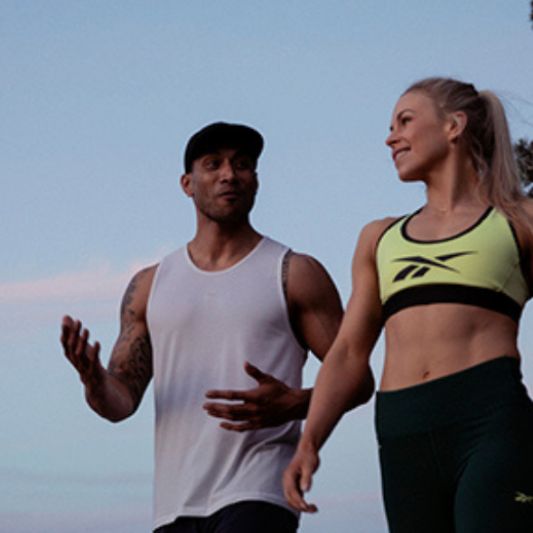
## Why Partner Sport Beats Solo Training Every Time
The advantages of a partner sport extend far beyond simple companionship. They tap into fundamental human psychology and physiology.
First, accountability is the number one driver. When someone expects you at the court or park, you are far less likely to hit the snooze button. This external commitment transforms exercise from a “should do” into a “must do.” Your partner relies on you, and that is a powerful motivator.
Second, motivation naturally increases. During a tough set or a long run, a partner provides instant encouragement. They push you past the point where you might normally quit. This friendly competition or shared struggle builds resilience and leads to greater performance gains over time.
Third, partner training introduces variety and skill development. Many partner sports require communication, strategy, and adapting to another persons movements. This engages your brain differently than a repetitive treadmill session. You improve coordination, reaction time, and tactical thinking.
Finally, and perhaps most importantly, it is simply more enjoyable. Laughter, shared triumphs, and even friendly banter after a missed shot make the experience positive. This emotional reward system makes you want to return, creating a sustainable fitness habit. According to my experience coaching clients, those in consistent partner sport arrangements report higher long-term adherence rates than any other group.
## How to Choose the Right Partner Sport Activity
Selecting the activity is as crucial as choosing the person. Your chosen partner sport must align with both individuals fitness levels, interests, and goals. Here is a comparison of popular options to help you decide.
| Partner Sport | Best For | Skill Level Required | Primary Fitness Focus |
|---|---|---|---|
| Tennis / Pickleball | Competitive spirits, agility training, social players | Low to High (scalable) | Cardio, leg strength, coordination, bursts of speed |
| Rock Climbing (Bouldering) | Problem-solvers, strength seekers, trust-building | Beginner to Advanced | Full-body strength, grip, flexibility, mental focus |
| Running or Cycling | Goal-oriented duos, endurance builders, conversationalists | Matched cardiovascular fitness | Cardiovascular endurance, leg strength |
| Partner Yoga or Calisthenics | Flexibility, balance, and mindfulness enthusiasts | All levels (with modifications) | Flexibility, core strength, balance, trust |
| Dance (Salsa, Swing) | Creative types, rhythm lovers, social butterflies | Beginner to Intermediate | Coordination, cardio, rhythm, social fun |
Consider logistics too. Do you have easy access to a court, wall, or trail? How much equipment is needed? Starting with a low-barrier activity like running or bodyweight partner exercises can be the perfect launchpad.
## Your 5-Step Action Plan to Launch a Successful Partner Sport Routine
Finding a partner and starting is the hardest part. Follow this simple, five-step guide to go from idea to action.
STEP 1: AUDIT YOUR NETWORK AND GOALS.
Be honest about what you want. Is it weight loss, training for an event, or just consistent movement? Then, think about friends, colleagues, or family members who might share a similar goal or schedule. Do not just pick your closest friend; pick someone reliable.
STEP 2: INITIATE THE CONVERSATION.
Reach out with a specific proposal. Instead of “Want to exercise sometime?” try “I am looking for a tennis partner to play every Saturday morning at 9 AM at the local courts. Are you interested in trying it out for a month?” Clarity increases the yes rate.
STEP 3: SCHEDULE A TRIAL SESSION.
Commit to one single session. This is a no-pressure test of compatibility. Focus on fun and communication. See how you both respond to mistakes and effort. The vibe of this first session is very telling.
STEP 4: ESTABLISH THE GROUND RULES.
If the trial goes well, set basic rules. Agree on a regular schedule (e.g., Tuesdays and Thursdays at 7 PM). Discuss communication for cancellations. Align on the primary goal for the next month. This formalizes the partnership.
STEP 5: TRACK AND CELEBRATE.
Keep it simple. Mark your sessions on a shared calendar. Acknowledge progress, even if it is just showing up consistently for two weeks. Celebrate milestones with a healthy post-activity smoothie. This positive reinforcement solidifies the habit.
## Common Partner Sport Pitfalls and How to Avoid Them
WARNING: AVOID THESE COMMON MISTAKES.
A major pitfall is mismatched intensity. One partner wants a leisurely game, while the other treats it like the Olympics. This leads to resentment. The solution is clear communication before you start. Use a scale of 1 to 10 to describe your desired effort level for each session.
Another frequent error is poor scheduling. Vague plans like “we will figure it out” fail. Life gets busy. The partnership must be a fixed, non-negotiable appointment in both calendars. Treat it with the same importance as a work meeting.
Finally, avoid becoming overly critical. You are partners, not coach and athlete. Unless feedback is explicitly requested, focus on encouragement. The primary goal is mutual support, not technical perfection. A negative comment can quickly deflate the enjoyment and derail the partnership.
## Final Checklist for Partner Sport Success
To ensure your partner sport journey is successful, use this actionable checklist. Review it with your partner after your first month.
IDENTIFY A PARTNER whose schedule and commitment level align with yours.
SELECT AN ACTIVITY that is enjoyable and accessible for both parties.
SET A SPECIFIC, RECURRING TIME in your calendars for at least one month.
DEFINE YOUR PRIMARY GOAL for the initial phase (e.g., consistency, learning basics).
AGREE ON COMMUNICATION PROTOCOLS for last-minute changes or cancellations.
FOCUS ON ENCOURAGEMENT and positive reinforcement during every session.
SCHEDULE A MONTHLY CHECK-IN to discuss what is working and adjust if needed.
CELEBRATE YOUR STREAK after two weeks, one month, and other milestones.
Embracing a partner sport can be the single most effective change you make to your fitness routine. It harnesses accountability, amplifies enjoyment, and delivers superior results. Start the conversation today. Your perfect fitness partner and a more vibrant, healthy lifestyle are waiting.