





Paris is not just a city. It is the undisputed capital of luxury. The phrase Paris luxury brands evokes a world of exquisite craftsmanship, timeless elegance, and unparalleled heritage. For anyone fascinated by high fashion, fine jewelry, and the art of living well, understanding this ecosystem is essential. This guide goes beyond a simple list. We will explore the historical roots, the iconic houses that define the scene, and provide you with a practical strategy for engaging with these legendary brands, whether you are planning a shopping spree or simply cultivating your appreciation.
# The Historical Foundations of Parisian Luxury
The dominance of Paris in the luxury sector is not an accident. It was built over centuries. The story begins in the 17th century under King Louis XIV. His finance minister, Jean-Baptiste Colbert, famously stated, “Fashion is to France what the gold mines of Peru are to Spain.” This state-sponsored push to make French goods, especially silk and textiles, the most desirable in Europe laid the groundwork. The establishment of guilds ensured rigorous standards for craftsmanship.
The modern concept of the luxury “brand” or “house” truly crystallized in the mid-19th century with Charles Frederick Worth. An Englishman in Paris, Worth was the first to sew his label into garments, transforming dressmaking from a service into an authored creation. This set the stage for the 20th century, where designers like Coco Chanel and Christian Dior became cultural revolutionaries, not just clothiers. Today, this deep history is a key part of the brand narrative for every major maison, justifying prestige and price. According to a study by Bain & Company, the global personal luxury goods market was estimated at approximately 362 billion euros in 2023, with Europe, and particularly France, remaining its historical and spiritual heart (source: Bain & Company Luxury Study).
# Iconic Parisian Fashion Houses and Their Signatures
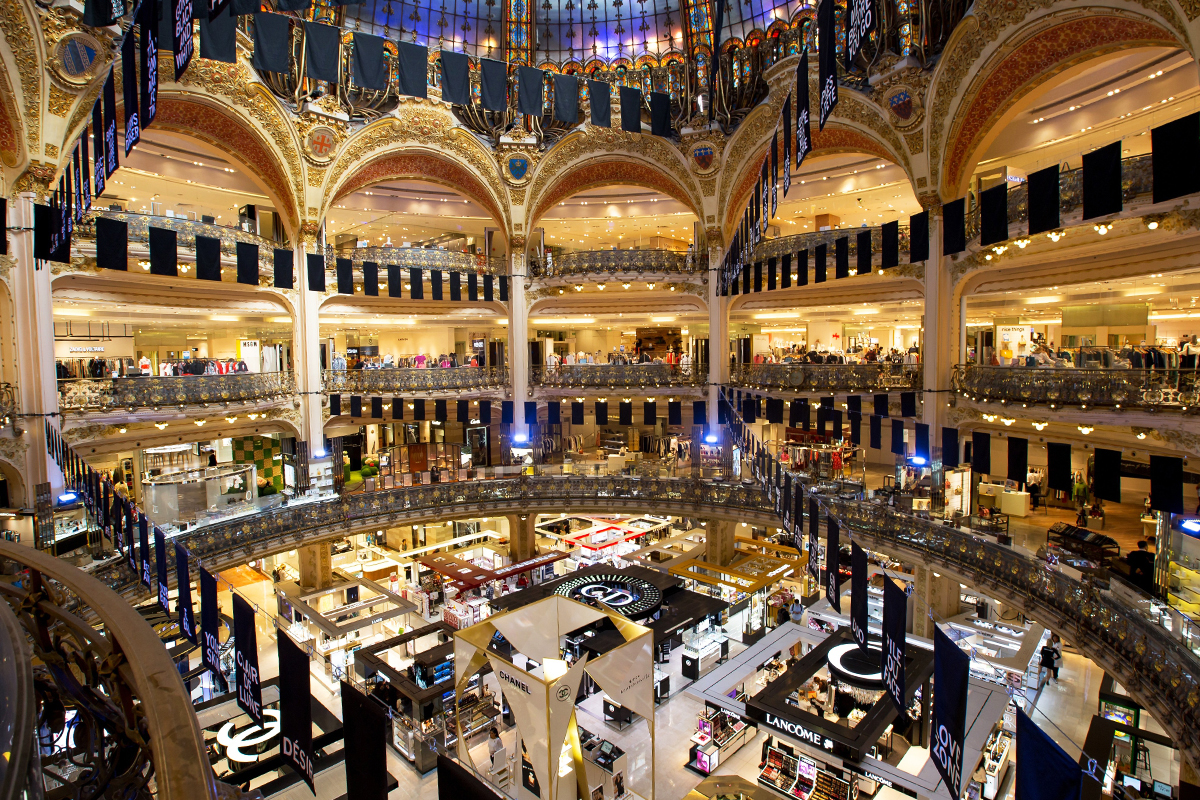
The landscape of Paris fashion brands is a constellation of stars, each with a distinct identity. Here is a look at some of the most influential.
CHANEL: Founded by Gabrielle “Coco” Chanel, it is the epitome of liberated elegance. The house codes are instantly recognizable: the tweed suit, the little black dress, the quilted handbag with chain strap, and the interlocking CC logo. Chanel represents a philosophy of effortless chic.
DIOR: Synonymous with post-war opulence following Christian Dior’s revolutionary “New Look” in 1947. Dior is about sculpted silhouettes, luxurious fabrics, and a profoundly feminine aesthetic. The Bar Jacket remains an icon.
HERMES: The apex of discreet luxury and patience. Founded as a harness workshop, Hermes is legendary for its obsession with quality and craftsmanship, most famously in its hand-stitched Kelly and Birkin bags. It represents investment and timelessness over fleeting trends.
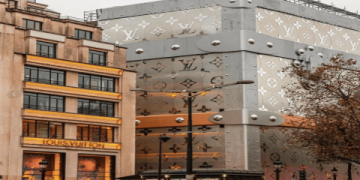
LOUIS VUITTON: The world’s most valuable luxury brand started with travel trunks. The monogram canvas, initially a practical anti-counterfeit measure, is now a global symbol. Under creative directors like Nicolas Ghesquière, it masterfully blends heritage with avant-garde design.
SAINT LAURENT: Defined by the legacy of Yves Saint Laurent, who introduced le smoking, the tuxedo for women. The brand, now often styled as Saint Laurent by Anthony Vaccarello, embodies rock and roll attitude, sharp tailoring, and a powerful, androgynous sensuality.
To better understand their positioning, here is a comparison of two pillars:
| Brand | Core Aesthetic | Iconic Product | Brand Ethos |
|---|---|---|---|
| CHANEL | Timeless, Effortless Chic | Tweed Jacket, 2.55 Handbag | Liberated Femininity |
| HERMES | Discreet, Uncompromising Craft | Kelly Bag, Silk Scarf | Patience, Heritage, Understatement |
# Beyond Fashion: Jewelry, Watches, and Lifestyle
Parisian luxury extends far beyond clothing. The Place Vendôme is the sacred ground of high jewelry, home to houses like Cartier, Van Cleef & Arpels, and Chaumet. These brands transform precious stones into wearable art, often with rich histories of adorning royalty. Cartier’s Panthère motif and Van Cleef & Arpels’ Alhambra are legends in their own right.
In the realm of perfumery, Paris is the birthplace of modern fragrance. Houses like Guerlain, founded in 1828, and more recent artistic perfumeries like Diptyque, have defined olfactory luxury. Furthermore, the concept of *art de vivre* encompasses everything from Christofle silverware to Bernardaud porcelain, completing the luxurious Parisian lifestyle.
# A Practical Guide to Shopping for Luxury in Paris
Visiting the flagship stores in Paris is an experience in itself. Here is a step-by-step guide to doing it right.
STEP 1: RESEARCH AND PRIORITIZE. Paris has hundreds of boutiques. Decide on 2-3 “must-visit” flagship stores, such as Chanel at 31 Rue Cambon or Dior on Avenue Montaigne. Map them out to save time.
STEP 2: BOOK APPOINTMENTS. For a serious shopping experience, especially at top houses, book a private appointment online or by phone. This ensures dedicated service and access to more inventory.
STEP 3: DRESS THE PART. While there is no strict dress code, presenting yourself neatly shows respect for the environment and can influence the service you receive.
STEP 4: ENGAGE WITH THE ADVISOR. Be open about your interests and budget. A good advisor is a wealth of knowledge about the brand’s history and craftsmanship. Ask questions.
STEP 5: UNDERSTAND TAX REFUNDS. As a non-EU resident, you are eligible for a VAT refund of around 12%. Ask the store for the necessary paperwork (détaxe) and present it at the airport upon departure.
COMMON MISTAKE TO AVOID: Do not try to visit too many boutiques in one day. Luxury shopping is meant to be savored, not treated as a marathon. Fatigue will cloud your judgment and diminish the enjoyment. Focus on quality of experience over quantity of stores visited.
From my experience consulting for retail clients, the most successful interactions happen when the customer is curious rather than purely transactional. Advisors respond passionately to genuine interest in the craft behind a hand-stitched seam or a specific gem-setting technique.
# The Future of Parisian Luxury
The future is about balancing deep heritage with modern relevance. Sustainability is now a central concern, with houses investing in traceable supply chains and innovative materials. Digital innovation, from virtual try-ons to NFT-backed certificates of authenticity, is reshaping the client journey. Furthermore, diversity and inclusion are becoming critical in brand messaging and design. The timeless Parisian houses are proving they can evolve while holding fast to the core values of quality and beauty that made them global powers.
In conclusion, the world of Paris luxury brands is a fascinating ecosystem of history, art, and commerce. It offers more than products; it offers stories, craftsmanship, and an aspirational vision of elegance.
CHECKLIST FOR ENGAGING WITH PARIS LUXURY BRANDS:
– Identify your primary interest: fashion, jewelry, or lifestyle.
– Research the heritage and signature of at least two target houses.
– Plan a boutique visit route in a specific district, like the Golden Triangle.
– Schedule an appointment for a high-touch experience.
– Prepare questions about materials and craftsmanship for your advisor.
– Set a realistic budget before entering the store.
– Complete all tax refund paperwork at the point of purchase.
– Allow time to appreciate the experience, not just the purchase.