




What truly defines a luxury commodity? Is it simply a high price tag, a famous brand name, or a rare material? In today’s complex market, the answer is far more nuanced. A luxury commodity represents the pinnacle of craftsmanship, heritage, and emotional resonance. It is an object whose value transcends its functional purpose to embody status, artistry, and a distinct philosophy. This guide delves deep into the world of luxury commodities, moving beyond superficial labels to explore what gives these items enduring power and how to engage with them intelligently.
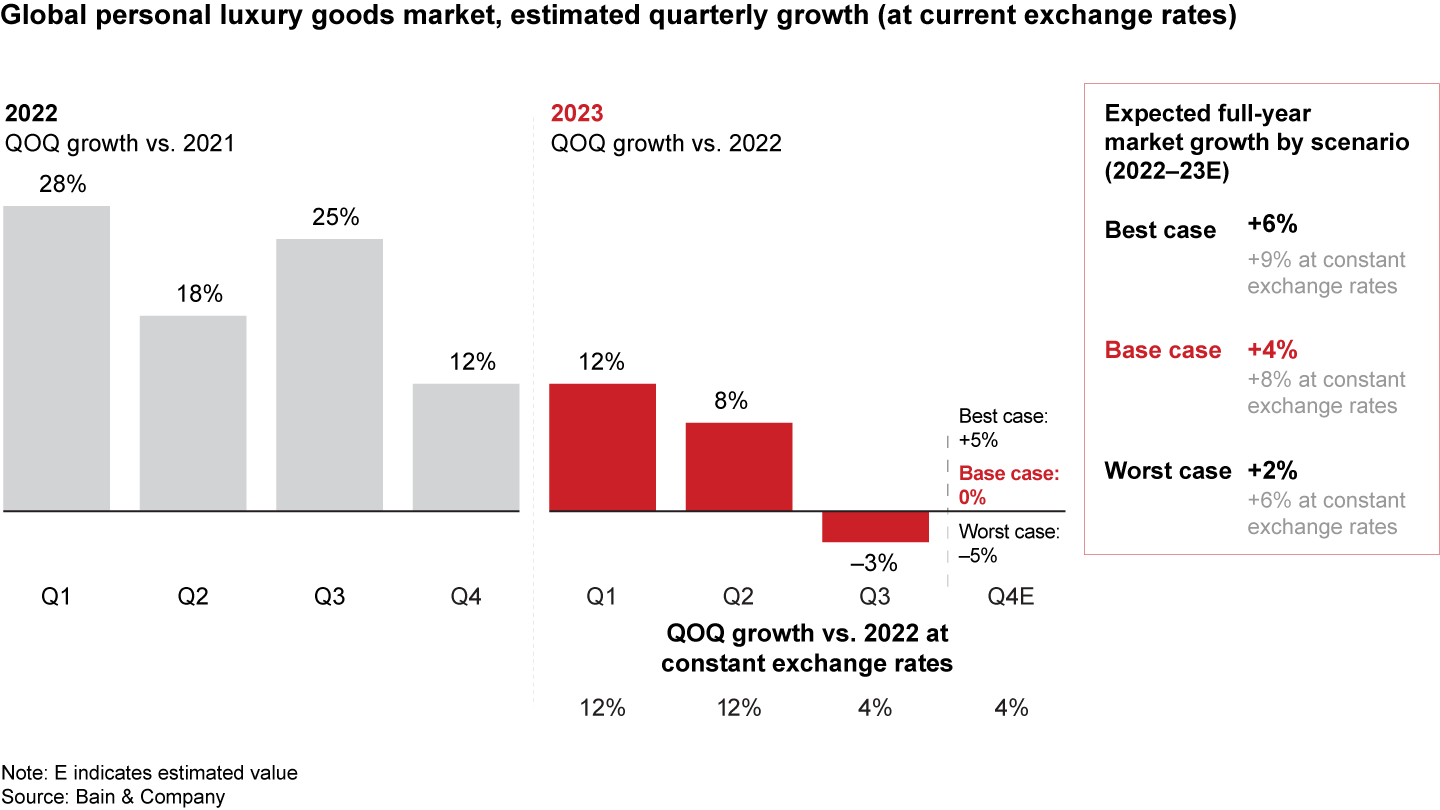
Understanding this market is crucial, whether you are a collector, an investor, or simply an admirer of fine things. The global personal luxury goods market reached approximately 362 billion euros in 2023, demonstrating robust and sustained demand despite economic fluctuations (来源: Bain & Company Luxury Study). This resilience hints at the deeper psychological and economic forces at play.
# The Evolving Definition of a Luxury Commodity
Historically, luxury commodities were synonymous with gold, silver, precious gems, and fine spices—tangible assets of scarcity. Today, the definition has expanded dramatically. While traditional hard luxuries like high jewelry and rare watches remain core, the category now encompasses experiential luxury, digital art (NFTs from prestigious houses), and even sustainable, ultra-exclusive products. The common thread is no longer just scarcity, but the narrative of exceptionalism. A modern luxury commodity must tell a compelling story of its origin, its maker, and its unique journey to the owner.
Interestingly, the digital age has not diluted this but intensified it. In a world of mass production and algorithmic recommendations, the hand-stitched detail, the years of apprenticeship behind a technique, and the limited production run become powerful counter-signals. They represent a deliberate choice away from the mainstream.
# Key Pillars of Value in Luxury Goods
To analyze any luxury commodity, we must assess it against several non-negotiable pillars. These are the foundations that justify its position and potential for value retention or appreciation.
CRAFTMANSHIP AND MATERIALS: This is the bedrock. It refers to the quality of raw materials (e.g., ethically sourced crocodile skin, 18k gold, rare oud wood) and the level of human skill and time invested. Haute couture garments requiring hundreds of hours of handwork exemplify this pillar.
HERITAGE AND BRAND EQUITY: A storied history and consistent brand narrative build immense value. A brand’s archive, its iconic creations, and its legendary founders contribute to a mythology that buyers want to participate in. This equity allows the brand to command premium pricing.
EXCLUSIVITY AND SCARCITY: True luxury cannot be ubiquitous. Scarcity is engineered through limited editions, made-to-order services, or natural limitations of materials. This controlled availability fuels desire and protects the brand’s elite status.
DESIGN AND AESTHETIC INNOVATION: While heritage is vital, stagnation is fatal. The most successful luxury houses balance respect for their codes with bold, contemporary design. The aesthetic must be distinctive and aspirational.
EMOTIONAL RESONANCE: Ultimately, the purchase is an emotional decision. The commodity becomes a symbol of personal achievement, a marker of taste, a family heirloom, or a connection to a cherished memory or ideal.
To illustrate how these pillars apply differently across categories, consider this comparison:
| Pillar | High-End Mechanical Watch | Luxury Handbag |
|---|---|---|
| Craftsmanship | Micro-engineering, hand-assembly, finishing techniques like perlage. | Hand-stitching, leather selection, precision in hardware construction. |
| Heritage | Centuries-old watchmaking traditions, inventor legacies. | Brand history, iconic models (e.g., the Kelly bag), founder stories. |
| Exclusivity | Limited production, complex complications, waiting lists. | Limited editions, quota systems for certain colors/materials. |
| Design | Classic case design with technical innovation in movement. | Seasonal trends anchored by perennial iconic shapes. |
| Emotional Drive | Connection to engineering marvel, legacy, investment. | Fashion statement, symbol of status, personal reward. |
# A Five-Step Framework for Acquiring Luxury Commodities
Navigating a purchase requires strategy to ensure satisfaction and value. Follow this structured approach.
STEP 1: DEFINE YOUR “WHY”
Be brutally honest. Are you buying for personal enjoyment, as a potential financial asset, for social signaling, or as a collectible? Your goal dictates what you buy and how you evaluate it. A piece bought purely for love is judged differently than one bought for resale potential.
STEP 2: CONDUCT DEEP RESEARCH
Go beyond the marketing. Learn the brand’s history, understand the specific product line, and identify its place within the brand’s hierarchy. For watches, research the movement caliber; for bags, understand the leather types. Use forums, expert reviews, and auction house results as resources.
STEP 3: FOCUS ON CONDITION AND PROVENANCE
Especially in the secondary market, condition is everything. Original packaging, certificates of authenticity, and service records add significant value. Provenance—a documented history of ownership—can make an item particularly desirable if it has a notable past.
STEP 4: EVALUATE LONG-TERM VALUE DRIVERS
Consider factors beyond current trends. Is the item iconic or a fleeting fashion piece? Is the brand managing its exclusivity well? According to a report by Knight Frank, rare whisky and classic cars were among the top-performing luxury investments in recent years, highlighting how specific, tangible assets can outperform (来源: Knight Frank Luxury Investment Index). This underscores the importance of asset selection.
STEP 5: BUILD A RELATIONSHIP WITH SELLERS
Whether an authorized dealer, a reputable gallery, or a trusted reseller, a good relationship provides access to better inventory, information, and after-sales service. Authenticity and trust are paramount in this market.
COMMON MISTAKE TO AVOID
A major pitfall is conflating “expensive” with “luxury commodity.” Many high-priced, mass-produced items lack the craftsmanship, heritage, and scarcity that define true luxury. They may depreciate rapidly. True luxury often holds or appreciates in value because it is an asset, not just a consumable. Do not mistake marketing hype for intrinsic value.
# The Future and Ethical Considerations
The landscape for luxury commodities is shifting. Sustainability is no longer a niche concern but a central question for discerning buyers. Transparency in sourcing, ethical labor practices, and environmental impact are becoming new pillars of value. The future luxury commodity will likely balance opulence with responsibility.
Furthermore, digital certification (like blockchain-based records of authenticity and provenance) and the rise of the circular economy—with robust resale, rental, and refurbishment markets—are reshaping ownership models. The next generation of luxury consumers values access and experience as much as outright possession.
From my experience consulting in this sector, I have seen a clear trend: clients are increasingly asking “how” and “why” an item was made, not just “what” it is. They seek a deeper connection and a story that aligns with their personal values. This intellectual and emotional engagement is what separates a mere transaction from the acquisition of a true luxury commodity.
In conclusion, engaging with luxury commodities is a journey into culture, economics, and personal identity. By applying a critical, informed framework, you can make choices that bring lasting satisfaction and, potentially, lasting value.
FINAL CHECKLIST FOR THE DISCRIMINATING BUYER
IDENTIFY YOUR PRIMARY MOTIVATION: Personal joy, investment, or collection.
RESEARCH BEYOND THE SURFACE: Study brand heritage, materials, and market position.
PRIORITIZE AUTHENTICITY AND CONDITION: Insist on proof and inspect meticulously.
ASSESS LONG-TERM FACTORS: Focus on iconic, well-crafted items over trendy pieces.
CULTIVATE TRUSTED SOURCES: Build relationships with reputable dealers and experts.
CONSIDER THE NEW ETHICS: Evaluate sustainability and ethical production practices.
BUDGET FOR MAINTENANCE: Factor in insurance, storage, and servicing costs.
BUY WHAT YOU LOVE: Ensure the item resonates with you on a personal level.