





# The Ultimate Guide to Lobia in English: Names, Nutrition, and Delicious Recipes
You are looking at a bag of lobia in the market, or a recipe calls for it, but you are not sure what it is in English. You have searched for “lobia in english” and landed here. Good news: you are in the right place. This guide will not only give you the simple translation but will dive deep into everything you need to know about this versatile legume. We will cover its various English names, impressive health benefits, how to cook it perfectly, and clear up common confusion with similar beans.
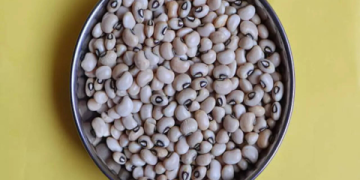
First, the direct answer. Lobia is most commonly known in English as **black-eyed peas** or **black-eyed beans**. The name comes from the distinctive small black spot, or “eye,” on the otherwise creamy-white bean. However, depending on the region and specific variety, you might also hear it called cowpea or southern pea. The scientific name is *Vigna unguiculata*.
This humble bean is a nutritional powerhouse and a staple in cuisines from the American South to West Africa and, of course, the Indian subcontinent. Understanding its identity is the first step to unlocking its culinary potential.
# What Exactly is Lobia? Beyond the Basic Name
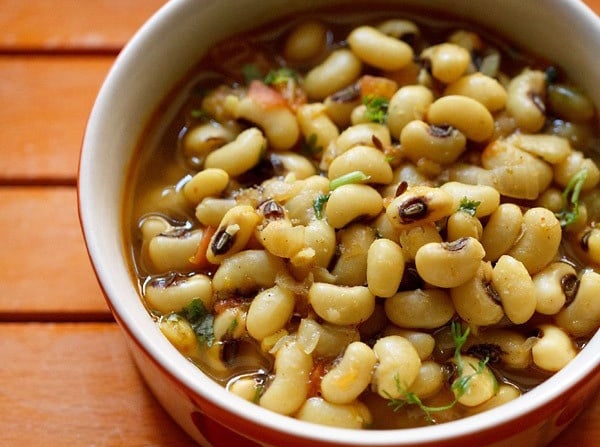
While “black-eyed pea” is the standard answer, the story is richer. Lobia belongs to the wider cowpea family. Cowpeas are incredibly drought-resistant and are a vital crop in many parts of the world. In India, lobia is a key ingredient in curries, salads, and stir-fries. In the United States, black-eyed peas are traditionally eaten on New Year’s Day for good luck.
It is crucial to distinguish lobia from other similar-looking beans. For instance, it is not the same as kidney beans (rajma) or pinto beans. Its texture is unique: it cooks relatively quickly compared to other dried beans and has a distinctive earthy, slightly sweet flavor with a creamy interior.
# Lobia Nutrition: A Breakdown of Health Benefits
Do not let its small size fool you. Lobia is packed with nutrients that contribute significantly to a healthy diet. According to the USDA FoodData Central, a one-cup (approx. 170g) serving of cooked black-eyed peas provides a substantial amount of daily needs.
Here is a quick look at its nutritional profile:
– HIGH IN PROTEIN AND FIBER: With about 13 grams of protein and 11 grams of fiber per cup, lobia promotes muscle health, satiety, and digestive regularity.
– RICH IN FOLATE AND IRON: Essential for red blood cell formation and preventing anemia, especially important for pregnant women.
– GOOD SOURCE OF POTASSIUM AND MAGNESIUM: These minerals help regulate blood pressure and support heart health.
– LOW IN FAT AND CALORIES: Makes it an excellent food for weight management plans.
A study published in the journal *Nutrients* highlighted that regular consumption of legumes like black-eyed peas is associated with a lower risk of cardiovascular disease and improved long-term weight management (来源: Nutrients Journal). Adding lobia to your diet is a simple step toward better health.
# How to Cook Lobia Perfectly: A Step-by-Step Guide
Cooking dried lobia is straightforward, but a few tips ensure perfect texture and digestibility. Follow this simple guide.
STEP 1: SORTING AND RINSING. Spread the dried beans on a plate and pick out any small stones or debris. Then, place them in a colander and rinse thoroughly under cold water.
STEP 2: SOAKING (OPTIONAL BUT RECOMMENDED). Soaking reduces cooking time and makes the beans easier to digest. You can do a quick soak by covering them with boiling water for 1 hour, or an overnight soak in cold water. Drain and rinse after soaking.
STEP 3: COOKING. Place the beans in a large pot and cover with fresh water by about 3 inches. Do not add salt or acidic ingredients (like tomatoes) yet, as this can toughen the skin.
STEP 4: SIMMERING. Bring to a boil, then reduce to a gentle simmer. Skim off any foam that rises. Cook for 45 minutes to 1.5 hours if soaked (longer if unsoaked) until tender but not mushy.
STEP 5: SEASONING. Once the beans are tender, add your salt, spices, and other recipe ingredients. Let them simmer for another 10-15 minutes to absorb the flavors.
For a faster option, you can use a pressure cooker, which cuts the cooking time to about 15-20 minutes after reaching pressure. Canned black-eyed peas are also a convenient alternative; just be sure to rinse them well to remove excess sodium.
# Lobia vs. Similar Beans: A Clear Comparison
Confusion often arises between lobia and other common beans. This comparison table will help you identify and choose the right one for your dish.
| Bean Name (English) | Indian Name | Key Identifying Feature | Best Used In |
|---|---|---|---|
| Black-Eyed Pea (Lobia) | Lobia, Chawli | Creamy white with a distinct black “eye” | Curries, Salads, Stews, Sundal |
| Kidney Bean | Rajma | Large, dark red, kidney-shaped | Rajma Masala, Chili, Salads |
| Pinto Bean | – | Beige with brown speckles, turns pink when cooked | Mexican refried beans, Burritos |
| Navy Bean | – | Small, oval, pure white | Baked Beans, Soups |
As you can see, while they are all legumes, their flavors, textures, and culinary uses differ. Substituting one for another will change the character of your dish.
# Delicious Lobia Recipes to Try at Home
Now for the fun part. Here are two classic ways to enjoy lobia.
CLASSIC NORTH INDIAN LOBIYA MASALA
This hearty curry is comfort food at its best. Sauté onions, ginger, and garlic until golden. Add chopped tomatoes and cook until soft. Stir in turmeric, coriander, cumin, and red chili powder. Add boiled lobia and enough water to create a gravy. Simmer for 15 minutes, garnish with cilantro, and serve with rice or roti.
FRESH AND ZESTY LOBIYA SALAD
For a healthy meal, combine boiled and cooled lobia with diced cucumbers, tomatoes, red onions, and sweet corn. In a separate bowl, whisk together lemon juice, olive oil, a pinch of cumin, salt, and pepper. Toss the salad with the dressing and finish with chopped mint or parsley.
In our team’s experience testing recipes, the key to a fantastic lobia dish is layering the spices properly and not overcooking the beans in the final curry, so they retain a slight bite.
# Common Mistakes and How to Avoid Them
A WARNING FOR HOME COOKS
Even experienced cooks can run into issues with beans. Here is the most common pitfall when dealing with lobia or any dried bean.
ADDING SALT OR ACID TOO EARLY. This is the number one reason beans remain tough even after long cooking. The salt and acid (from tomatoes, vinegar, lemon) strengthen the bean’s skin, preventing it from softening. Always cook your beans until fully tender before seasoning with salt or adding acidic ingredients. This simple rule guarantees perfectly creamy beans every time.
Another tip is to ensure your dried beans are not too old. Beans stored for years may never soften completely. If possible, buy from stores with good turnover.
# Your Lobia Mastery Checklist
You have learned a lot about lobia in English. Use this final checklist to put your knowledge into action.
IDENTIFY IT CORRECTLY: Know that lobia equals black-eyed peas or black-eyed beans.
ACKNOWLEDGE ITS NUTRITION: Remember it is high in protein, fiber, and folate.
PREPARE IT RIGHT: Always sort and rinse; consider soaking for better digestion.
COOK IT PROPERLY: Simmer in unsalted water until tender before adding salt or tomatoes.
DISTINGUISH FROM OTHERS: Do not confuse it with rajma or pinto beans.
EXPERIMENT WITH RECIPES: Try both a traditional curry and a fresh salad.
AVOID THE TOUGH BEAN TRAP: Never add salt at the beginning of the cooking process.
By following this guide, you have moved beyond a simple translation. You are now equipped to buy, cook, and enjoy lobia with confidence, knowing its true name in English and its full potential in your kitchen.