





# The Ultimate Guide to Japanese Bottle Gourd: Cultivation, Uses, and Health Benefits
Have you ever seen a long, slender, pale green vegetable at an Asian market and wondered what it was? Chances are, you were looking at a Japanese bottle gourd. This versatile and nutritious member of the Cucurbitaceae family is a staple in many Asian cuisines, yet it remains somewhat mysterious to Western gardeners and cooks. This guide will serve as your complete resource, covering everything from its botanical background to practical tips for growing and cooking it.
Q: What exactly is a Japanese bottle gourd?
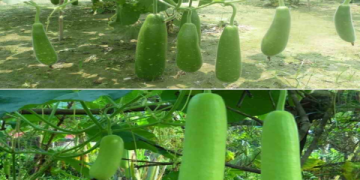
A: The Japanese bottle gourd, scientifically known as Lagenaria siceraria, is a type of hard-shelled gourd. Unlike the round calabash, the Japanese variety is typically cultivated for its edible fruit when young and tender. When mature and dried, its hard shell can be used to make containers, instruments, and crafts. For culinary purposes, we focus on the immature fruit, which is harvested when it is between 12 to 20 inches long. It has a mild, slightly sweet flavor and a texture similar to zucchini when cooked.
This vegetable goes by many names globally, which can cause confusion. You might hear it called calabash, long melon, or opo squash. In Japanese, it is often referred to as “fukube” or “hyotan,” though these terms can also refer to the ornamental, hard-shell varieties. The key identifier for the edible version is its elongated, club-like shape and smooth, light green skin.

## Understanding the Japanese Bottle Gourd Plant
To successfully grow this plant, understanding its lifecycle and needs is crucial. The Japanese bottle gourd is a vigorous, fast-growing annual vine. It requires a long, warm growing season, typically 100 to 180 days from seed to mature fruit, depending on whether you are harvesting for food or for dried shells.
The vines can easily stretch 15 to 20 feet, making them excellent for trellises, fences, or arbors. Growing them vertically is not just a space-saver; it promotes straighter fruit and reduces the risk of soil-borne diseases and pest damage. The plant produces large, heart-shaped leaves and beautiful white flowers that bloom in the evening, pollinated by moths and other nocturnal insects.
From my experience helping gardeners in temperate climates, the most common mistake is planting seeds too early. This plant is highly sensitive to cold soil and frost. We always recommend waiting until the soil temperature is consistently above 70°F (21°C) for optimal germination.
## How to Grow Japanese Bottle Gourd in Your Garden
Ready to try growing this unique vegetable? Follow this step-by-step guide for the best chance of success.
STEP 1: SEED SELECTION AND STARTING. Purchase seeds labeled for edible “Japanese Bottle Gourd” or “Long Opo.” Start seeds indoors 3-4 weeks before your last expected frost date. Plant them 1 inch deep in biodegradable pots to minimize root disturbance later.
STEP 2: SITE PREPARATION. Choose a location with full sun (at least 8 hours daily). The soil should be well-draining, rich in organic matter, and have a pH between 6.0 and 6.8. Work in several inches of compost or aged manure.
STEP 3: TRANSPLANTING. After all danger of frost has passed and seedlings have 2-3 true leaves, harden them off for a week. Transplant them into the garden, spacing mounds or rows 4-6 feet apart. Install a sturdy trellis at planting time.
STEP 4: ONGOING CARE. Water deeply and consistently, providing 1-2 inches per week. Avoid wetting the leaves to prevent mildew. Once vines begin to run, feed with a balanced, low-nitrogen fertilizer to encourage fruit set over leafy growth.
STEP 5: HARVESTING. For culinary use, harvest when fruits are young, tender, and no more than 2 inches in diameter. The skin should be easily pierced with a fingernail. Use a sharp knife or pruners to cut the fruit from the vine, leaving a small stem attached.
## Nutritional Profile and Health Benefits
The Japanese bottle gourd is more than just a culinary curiosity; it is a low-calorie, nutrient-dense food. A 100-gram serving contains approximately 15 calories, 3.4 grams of carbohydrates, and is over 95% water, making it an excellent hydrating vegetable.
Its health benefits are supported by both traditional use and modern science. It is a good source of vitamin C, B vitamins, and minerals like calcium, iron, and zinc. Traditionally, it has been used in Ayurvedic and Chinese medicine for its cooling and diuretic properties. A study published in the Journal of Ethnopharmacology noted that extracts from Lagenaria siceraria showed significant anti-inflammatory and analgesic effects in animal models (source: Journal of Ethnopharmacology). Furthermore, its high fiber and water content can aid digestion and promote a feeling of fullness, which may support weight management goals.
## Culinary Uses and Recipe Inspiration
In the kitchen, the Japanese bottle gourd is incredibly adaptable. Its mild flavor acts as a canvas, absorbing the spices and sauces it’s cooked with. It can be stir-fried, steamed, stuffed, added to soups and curries, or even grated into fritters.
Here is a simple comparison table of two popular cooking methods:
| Method | Best For | Texture Result | Preparation Tip |
|---|---|---|---|
| Stir-Frying | Quick meals, retaining crunch | Crisp-tender | Cut into uniform matchsticks or thin half-moons. Cook over high heat for 2-3 minutes. |
| Simmering in Soups/Curries | Flavor absorption, comforting dishes | Soft and silky | Peel and cut into chunks. Add during the last 10-15 minutes of cooking to prevent mushiness. |
A classic and easy dish is “Opo Squash Stir-fry.” Simply slice the gourd thinly, and stir-fry with garlic, ginger, and a splash of soy sauce. Finish with a sprinkle of sesame seeds and chopped green onion.
COMMON MISTAKES TO AVOID WHEN COOKING
One major pitfall is overcooking. Because of its high water content, it can quickly become mushy and lose its pleasant texture. Always aim for a slight bite, similar to a perfectly cooked zucchini. Another mistake is not peeling older, larger fruits. The skin can become tough and bitter as the gourd matures. When in doubt, peel it.
## From Garden to Craft: The Dried Calabash
An fascinating aspect of this plant is its dual purpose. If you leave a fruit on the vine to fully mature, the inner flesh will dry out, leaving a hard, hollow shell. This dried calabash has been used for millennia across cultures as a water container, utensil, musical instrument (like the African shekere or Brazilian berimbau), and artistic medium.
The process requires patience. Allow the fruit to dry completely on the vine until the stem turns brown and the shell becomes light and you can hear seeds rattling inside. This can take several months after the edible stage. Once dried, the shell can be cut, carved, painted, or varnished.
INTERESTINGLY, research into the historical dispersal of the bottle gourd suggests it may have been one of the first domesticated plants, with evidence of its use in containers dating back over 10,000 years (source: Proceedings of the National Academy of Sciences). This highlights its profound importance in human history, far beyond the dinner plate.
## Your Practical Checklist for Japanese Bottle Gourd Success
To ensure you get the most from your Japanese bottle gourd journey, use this actionable checklist.
IDENTIFY THE CORRECT SEED OR FRUIT. Look for labels specifying “edible,” “long,” or “Japanese” bottle gourd. The fruit should be firm, unblemished, and light green.
ENSURE ADEQUATE SPACE AND SUPPORT. Plan for a minimum 4-foot spacing and install a strong trellis before planting.
MONITOR WATER AND WEATHER. Provide consistent, deep watering and protect young plants from any chill.
HARVEST AT THE RIGHT STAGE. For eating, harvest young and tender. For crafts, allow full maturation and drying on the vine.
EXPERIMENT WITH SIMPLE RECIPES FIRST. Try stir-frying or adding to a simple soup to appreciate its mild flavor and texture.
PROPERLY STORE LEFTOVERS. Wrap cut gourd in plastic and refrigerate for up to 5 days. The high water content means it does not freeze well raw.
By following this comprehensive guide, you will be well-equipped to grow, cook, and appreciate this remarkable vegetable. The Japanese bottle gourd offers a unique blend of gardening satisfaction, culinary versatility, and historical intrigue, making it a worthy addition to any garden or kitchen.