






# The Ultimate Guide to Indian Mango Pulp: From Selection to Culinary Mastery
Indian mango pulp is more than just a convenient ingredient. It is the very essence of summer, captured in a can or pouch. For chefs, home bakers, and food manufacturers worldwide, this vibrant, aromatic puree is the secret to authentic Indian and global desserts, beverages, and sauces. But with so many varieties and brands available, how do you choose the best one? This comprehensive guide dives deep into the world of Indian mango pulp, offering expert insights to help you make informed decisions and elevate your culinary creations.
## Understanding Indian Mango Pulp: The Heart of the King of Fruits
At its core, Indian mango pulp is the smooth, thick puree made from ripe, fleshy mangoes. The process involves washing, peeling, destoning, crushing, and then heat-treating the fruit to preserve its flavor, color, and nutrients. The result is a product that retains the intense, tropical sweetness and fragrance of fresh mangoes, available year-round. India, being the world’s largest mango producer, cultivates over a thousand varieties, but only a select few are prized for pulp production due to their fiberless texture, rich color, and high yield.
## Top Varieties Used for Premium Mango Pulp
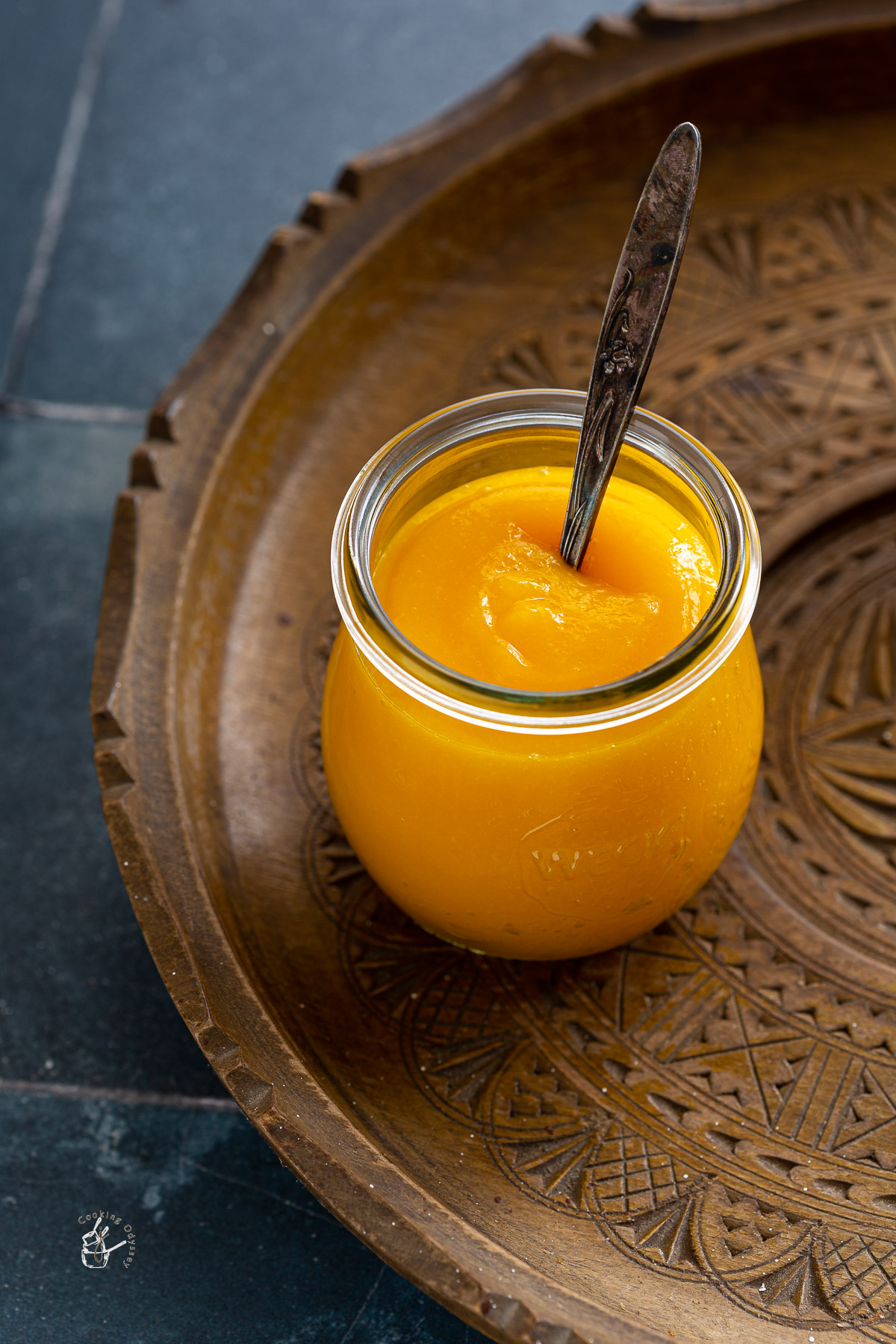
Not all mangoes are created equal for pulping. The choice of variety dramatically impacts the final product’s taste, color, and application.
ALPHONSO: Often called the “King of Mangoes,” Alphonso is the gold standard. Its pulp is a deep saffron-yellow, supremely aromatic, with a creamy, rich texture and a perfect balance of sweetness and tang. It is the preferred choice for premium desserts like mango cheesecake, kulfi, and gourmet beverages.
KESAR: Known as the “Queen,” Kesar mango pulp boasts a bright orange-red hue and a distinctly sweet, slightly spicy flavor profile. It is incredibly versatile and widely used in juices, ice creams, and yogurts for its vibrant color and consistent taste.
TOTAPURI: This variety is easily recognizable by its beak-like shape. Totapuri pulp is more fibrous and has a tangier, less sweet flavor compared to Alphonso and Kesar. It is frequently used as a base for chutneys, sauces, and in blends where a sharper mango note is desired.
BADAMI: Similar to Alphonso in taste and texture, Badami pulp is a popular and often more economical alternative in Southern India. It offers a smooth consistency and pleasant sweetness for general culinary use.
Here is a comparison of the two most popular varieties:
| Feature | Alphonso Mango Pulp | Kesar Mango Pulp |
|---|---|---|
| Color | Deep saffron yellow | Bright orange-red |
| Aroma | Exceptionally rich and intense | Sweet and distinctly fruity |
| Flavor Profile | Creamy, very sweet with low acidity | Sweet with a subtle spicy note |
| Texture | Very smooth, virtually fiberless | Smooth, slightly thicker consistency |
| Best Uses | Premium desserts, gourmet shakes, ice cream | Juices, lassi, yogurt, color-critical applications |
| Price Point | Premium | Moderate to Premium |
## The Step-by-Step Guide to Selecting the Best Indian Mango Pulp
Choosing the right product can be overwhelming. Follow this five-step guide to ensure you get quality pulp every time.
STEP 1: IDENTIFY YOUR NEED. Are you making a delicate dessert where aroma is key? Choose Alphonso. Need a vibrant color for a smoothie bowl? Kesar is your friend. For cooking savory dishes, Totapuri might be ideal.
STEP 2: CHECK THE INGREDIENT LIST. The only ingredients should be mango pulp and possibly citric acid (as a natural preservative). Avoid products with added sugars, artificial flavors, colors, or high-fructose corn syrup. Pure Indian mango pulp needs no enhancement.
STEP 3: UNDERSTAND THE PACKAGING. Pulp is available in cans, tetra packs, and pouches. Aseptic tetra packs are excellent as they protect the pulp from light and air without needing preservatives. Ensure the packaging is undamaged.
STEP 4: LOOK FOR CERTIFICATIONS. Reputable brands will have FSSAI (India’s food safety authority) certification. For export, look for USDA Organic, HACCP, or ISO certifications, which indicate stringent quality and safety controls.
STEP 5: RESEARCH THE BRAND. Opt for established brands with transparent sourcing. Some brands specify the region of mango cultivation, which can be a sign of quality focus. According to the Agricultural and Processed Food Products Export Development Authority of India, the export of mango pulp has seen consistent growth, with major demand coming from countries like the USA, UAE, and Saudi Arabia, highlighting its global trust.
## Creative Culinary Applications Beyond Mango Lassi
While mango lassi is a classic, the potential of this ingredient is boundless. In our team’s experience working with professional kitchens, we have seen Indian mango pulp transform simple dishes into extraordinary ones. It acts as a natural sweetener and flavor enhancer.
BEVERAGES: Create layered smoothies, tropical cocktails (mango mojito, anyone?), iced teas, or simply dilute with soda water for a refreshing spritzer.
DESSERTS: The obvious use is in mousses, puddings, and pies. But try swirling it into cheesecake batter, mixing it into whipped cream for a foolproof mousse, or making a quick “shrikhand” by blending it with thick Greek yogurt and cardamom.
SAUCES AND GLAZES: Reduce mango pulp with a touch of vinegar, chili, and ginger to make a stunning glaze for grilled chicken, fish, or tofu. It also makes a wonderful base for sweet and sour dipping sauces.
BREAKFAST AND SNACKS: Stir into oatmeal or yogurt, use as a topping for pancakes and waffles, or blend into homemade popsicle mixes for a healthy frozen treat.
## Common Pitfalls and How to Avoid Them
A WARNING ON QUALITY AND STORAGE
One of the biggest mistakes is assuming all mango pulp is the same. A low-quality product can be watery, overly tart, or have a metallic taste from the can. Always taste a small amount before using it in a large batch recipe. Furthermore, once opened, the pulp must be treated like fresh fruit puree. Transfer unused pulp to an airtight container and refrigerate immediately. It typically lasts 4-5 days in the fridge. For longer storage, freeze it in ice cube trays for portion-controlled use. Never leave opened cans or tetra packs at room temperature.
Another common error is over-relying on the pulp’s sweetness. Different varieties and brands have varying sugar content. Always adjust added sugar in your recipe gradually, tasting as you go. Remember, you can add more sweetness, but you cannot take it away.
## Your Practical Checklist for Indian Mango Pulp Mastery
To ensure you are getting the most out of your Indian mango pulp, use this actionable checklist.
CONFIRM THE MANGO VARIETY IS SUITABLE FOR YOUR RECIPE.
READ THE INGREDIENT LIST TO ENSURE NO ADDED SUGARS OR ARTIFICIAL INGREDIENTS.
VERIFY THE PACKAGING IS INTACT AND CHECK FOR FOOD SAFETY CERTIFICATIONS.
TASTE A SMALL SPOONFUL BEFORE COMMITTING TO A FULL RECIPE.
STORE OPENED PULP IN AN AIRTIGHT CONTAINER IN THE REFRIGERATOR AND USE WITHIN A WEEK.
EXPERIMENT WITH USING PULP IN SAVORY DISHES LIKE GLAZES AND CHUTNEYS.
ADJUST THE SWEETNESS OF YOUR FINAL DISH GRADUALLY, AS PULP SWEETNESS VARIES.
CONSIDER FREEZING LEFTOVER PULP IN PORTIONS FOR FUTURE USE.
EXPLORE BLENDING DIFFERENT VARIETIES, LIKE ALPHONSO AND KESAR, FOR COMPLEX FLAVOR.
SHARE YOUR CREATIONS TO SPREAD THE JOY OF THIS VERSATILE INGREDIENT.
By understanding the nuances of Indian mango pulp, from its royal varieties to its practical applications, you unlock a world of culinary potential. This guide equips you with the knowledge to select, use, and store this magnificent ingredient like a pro, ensuring every dish you create is infused with the authentic taste of an Indian summer.