





# The Ultimate Guide to Indian Food in Japan: From Curry Rice to Fine Dining
Indian food in Japan presents a fascinating culinary story. It is a tale of adaptation, innovation, and a deep, growing love affair. While sushi and ramen dominate the global image of Japanese cuisine, a rich tapestry of Indian flavors has woven itself into the fabric of Japan’s food scene. This guide explores everything from the history of this fusion to where you can find the most authentic dishes today.
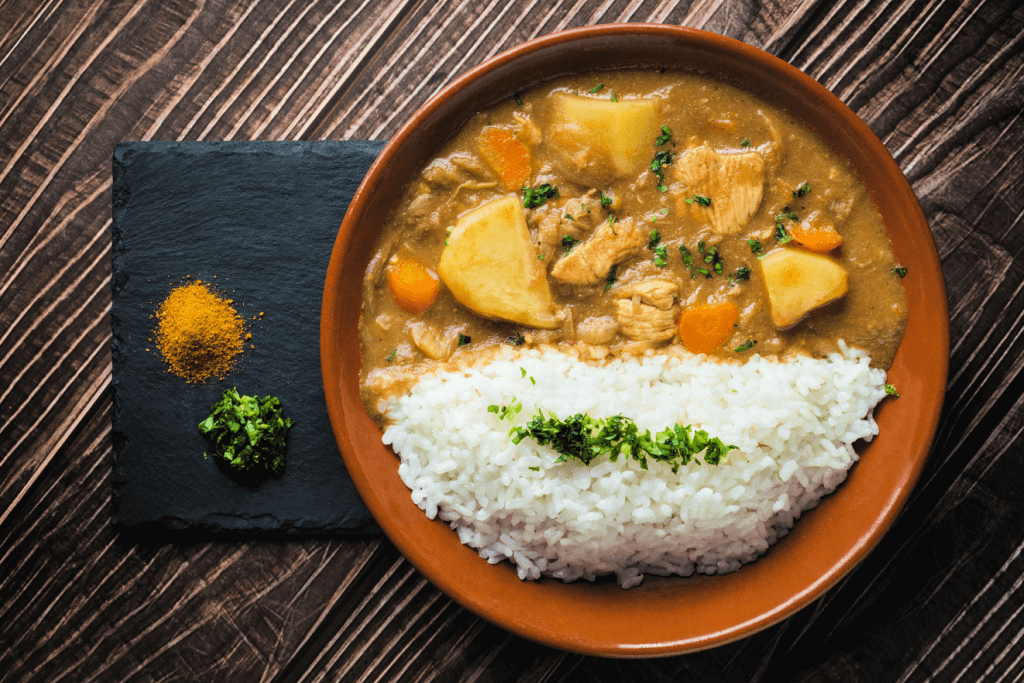
The relationship between Indian food and Japan is older than many realize. It began not in high-end restaurants, but in the humble form of curry powder. Introduced by the British in the late 19th century, curry was adapted into the beloved Japanese curry rice, a thick, sweet, and mild stew. This dish became a national comfort food, a gateway that prepared the Japanese palate for more complex spices.
Today, the landscape of Indian food in Japan is incredibly diverse. You can find everything from quick-service curry chains to Michelin-recognized fine dining establishments specializing in regional Indian cuisine. The demand is driven by a growing number of Indian expatriates, increased travel between the two nations, and a genuine Japanese curiosity for global gastronomy.
## The Evolution of Indian Cuisine Across Japan
The journey of Indian food in Japan has distinct phases. Initially, it was synonymous with “curry.” Early restaurants, often opened by entrepreneurs from Nepal and Northern India, catered to a market that preferred milder flavors. Menus featured creamy butter chicken, palak paneer, and naan bread—dishes that were approachable and less intimidating.
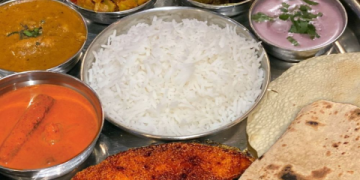
A significant shift occurred in the last two decades. As more Japanese traveled to India and more Indian professionals moved to Tokyo, Osaka, and other major hubs, the demand for authenticity grew. Restaurants began to specialize. You can now find eateries dedicated solely to the fiery Chettinad cuisine of Tamil Nadu, the vegetarian thalis of Gujarat, or the street food of Delhi. This move towards regional specificity marks the maturity of Indian food in Japan.
## Where to Find Authentic Indian Restaurants in Tokyo and Beyond
Tokyo is undoubtedly the epicenter. Areas like Shin-Okubo (Tokyo’s Koreatown) also host a high concentration of South Asian restaurants. Here, you can find bustling canteens serving biryani and dosa. The upscale neighborhoods of Roppongi and Azabu-Juban are known for their elegant, high-end Indian dining experiences, often frequented by diplomats and business elites.
Osaka and Yokohama also boast vibrant scenes. In fact, Yokohama’s Motomachi area has a historical connection to international trade, hosting several long-standing and respected Indian establishments. For a more local experience, many family-run Indian restaurants operate near major train stations and in suburban business districts, serving delicious lunch buffets to office workers.
## Navigating the Menu: Popular Dishes and Japanese Adaptations
Understanding the menu is key to a great experience. While authentic dishes are prevalent, some Japanese-Indian fusion items remain popular. Here is a comparison of a classic dish versus its common adaptation in Japan.
| Dish Name (Authentic) | Key Characteristics | Common Japanese Adaptation |
|---|---|---|
| Butter Chicken (Murgh Makhani) | Rich, tomato-based gravy with tandoori chicken, cream, and butter. Balanced spices. | Often sweeter, with a thicker, smoother consistency. Sometimes less complex spice layering. |
| Curry (Generic Term) | Varies wildly by region (e.g., Madras is hot and sour; Korma is mild with nuts). | “Japanese Curry” is a distinct dish: a sweet, thick stew with vegetables/meat, served with rice. It is not considered authentic Indian curry. |
| Naan | Leavened, tandoor-baked flatbread, often plain, garlic, or butter. | Frequently includes non-traditional toppings like cheese, corn, or even chocolate for dessert naan. |
## A Step-by-Step Guide to Exploring Indian Food in Japan
Follow this five-step guide to deepen your exploration beyond the well-trodden path.
STEP 1: IDENTIFY YOUR CRAVING. Are you seeking the comfort of familiar butter chicken, or are you ready to explore a specific regional cuisine like the seafood of Goa or the lamb dishes of Kashmir? Defining this will narrow your search.
STEP 2: RESEARCH USING LOCAL APPS. While Google Reviews is useful, Japanese platforms like Tabelog and Gurunavi are essential. A high Tabelog score (3.5 and above) is a strong indicator of quality. Look for keywords in reviews like “本格的” (authentic) or “香辛料” (spices).
STEP 3: CONSIDER THE LUNCH BUFFET. Many Indian restaurants offer incredible lunch buffet deals on weekdays. This is a cost-effective and low-risk way to sample a variety of dishes. It is a popular option for office workers, so go early.
STEP 4: COMMUNICATE YOUR SPICE PREFERENCE. The Japanese concept of “karai” (spicy hot) can differ from an Indian chef’s. Use clear phrases. “Indian level spicy” or “make it how you would in Delhi/Mumbai” can be effective. Conversely, say “amakuchi” for sweet, or “karamenai” for not spicy.
STEP 5: VENTURE BEYOND THE CURRY. Order a variety. Include a bread (naan, roti), a dal (lentil dish), a vegetable side, and a protein. This gives you a more complete and satisfying meal experience.
## Common Mistakes to Avoid When Ordering Indian Food in Japan
WARNING: A common pitfall is assuming all Indian food is uniformly spicy or that “curry” is a single dish. This can lead to disappointment. Another mistake is only ordering one creamy curry and rice. The beauty of the cuisine lies in the combination of textures and flavors—dry dishes, wet dishes, bread, and rice.
Furthermore, do not dismiss restaurants in non-central locations. Some of the most authentic food is found in smaller cities or suburban neighborhoods with large Indian communities. Finally, remember that service styles may differ. Water may not be automatically refilled, and the pace of service might be more relaxed.
## The Business of Spices: Import Trends and Future Outlook
The growth of Indian food in Japan is underpinned by hard data. According to the Japanese Ministry of Finance, the import value of spices into Japan has seen a steady increase, with curry powder and mixtures being a significant portion. More tellingly, imports of specific whole spices like cumin and coriander seeds have risen, indicating a move towards from-scratch cooking (来源: Japan Customs Trade Statistics).
From my experience consulting for several F&B businesses in Tokyo, we have seen a clear trend. Newer Indian restaurants are investing heavily in authentic ingredient sourcing and specialized kitchen equipment like tandoors. They are also focusing on storytelling, educating customers about the origin and health benefits of their dishes. This shift from mere sustenance to an experiential dining journey is the future.
## Your Practical Checklist for Indian Food in Japan
To ensure a fantastic culinary adventure, use this final checklist.
– Research restaurants on both Google and Tabelog for balanced reviews.
– Look for keywords indicating authenticity in Japanese reviews.
– Take advantage of weekday lunch buffets for value and variety.
– Clearly communicate your desired spice level using specific phrases.
– Order a balanced meal with bread, dal, vegetables, and a main protein.
– Explore neighborhoods like Shin-Okubo in Tokyo for concentrated options.
– Be open to regional specialties beyond the standard menu.
– Carry cash, as some smaller establishments may not accept credit cards.
– Check if the restaurant is part of a local “Indian Food Festival” event.
– Share your experience online to help future diners navigate the scene.
The story of Indian food in Japan is one of successful cultural exchange. It has moved from a borrowed concept to an integrated and respected part of the dining landscape. Whether you are a homesick expat seeking a taste of home or a curious traveler ready for new flavors, the depth and quality available today are truly impressive. Your next unforgettable meal awaits.