# The Ultimate Guide to Hing Name in English: Unlocking the Secrets of Asafoetida
Have you ever found a recipe calling for “hing” and felt completely lost? You are not alone. The search for “hing name in english” is one of the most common culinary queries online. This mysterious ingredient, a staple in Indian, Persian, and Middle Eastern kitchens, has a powerful aroma and an even more powerful flavor profile. Its English name is the first key to unlocking its potential in your cooking.
This guide goes beyond a simple translation. We will explore everything you need to know about hing, from its scientific name and fascinating history to its culinary uses and significant health benefits. By the end, you will be an informed user, ready to incorporate this ancient spice with confidence.
## What is Hing? The English Name and Botanical Identity
The direct answer to “hing name in english” is **asafoetida**. It is also sometimes called “devil’s dung” or “food of the gods,” names that perfectly capture its polarizing nature. In its raw form, the scent is pungent and sulfurous, reminiscent of garlic and onions. However, when cooked in oil or ghee, it transforms into a savory, umami-rich flavor enhancer.
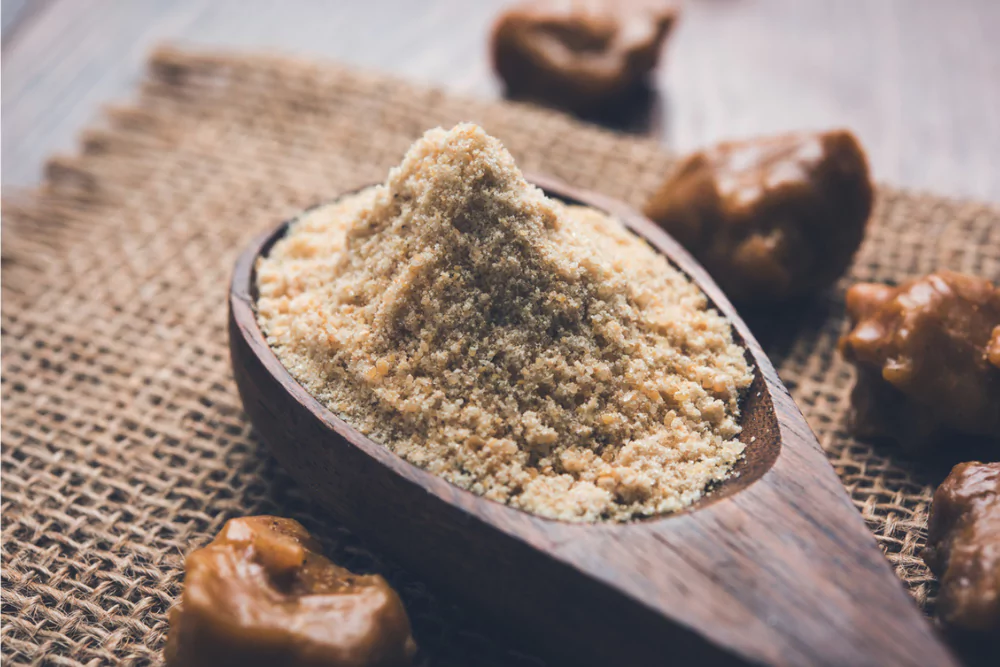
Botanically, hing is the dried latex (gum resin) exuded from the living root of several species of *Ferula*, a perennial herb in the celery family. The primary species used is *Ferula assa-foetida*. The resin is collected, dried, and then typically ground into a fine powder and mixed with a stabilizer like rice flour or wheat flour to make it easier to use. This is the form you will most commonly find in grocery stores.
## Why is Hing So Essential in Cooking?
Hing is not just a flavoring agent; it is a foundational element in many cuisines, particularly for dietary and digestive reasons. Its primary culinary roles are:
1. FLAVOR FOUNDATION: It provides a deep, savory base note, especially in vegetarian and legume-based dishes. It mimics the umami depth typically provided by onions and garlic.
2. DIGESTIVE AID: In Ayurveda and traditional medicine, hing is renowned for its carminative properties, meaning it helps reduce gas and bloating. This is why it is almost always added to lentil (dal) and bean dishes.
3. ALLERGEN-FRIENDLY SUBSTITUTE: For individuals following Jain, Buddhist, or certain Hindu practices that restrict allium vegetables (onion, garlic), hing is the perfect aromatic substitute.
According to a review in the Journal of Ethnopharmacology, *Ferula* species have been used for centuries in traditional medicine for their antispasmodic, digestive, and antimicrobial properties (来源: Journal of Ethnopharmacology).
## Hing vs. Other Common Aromatics: A Detailed Comparison
Many cooks wonder if they can simply replace hing with garlic or onion powder. The answer is not straightforward. While they share some flavor territory, hing has a unique complexity. The following table highlights the key differences.
| Ingredient | Primary Flavor Profile | Best Used In | Key Distinction |
|---|---|---|---|
| Hing (Asafoetida) | Savory, umami, sulfurous (when raw); mellow, garlic-onion like (when cooked). | Lentil dishes, vegetable curries, pickles, digestive teas. | Acts as a digestive aid and provides a foundational flavor without the bulk of alliums. |
| Garlic Powder | Pungent, sharp, distinctly garlicky. | Marinades, sauces, rubs, general savory cooking. | Offers a direct, pronounced garlic flavor. Does not have the same digestive properties. |
| Onion Powder | Sweet, earthy, allium flavor. | Soups, stews, dressings, spice blends. | Provides sweetness and depth but lacks the transformative, umami-boosting quality of cooked hing. |
## How to Use Hing Correctly: A 5-Step Master Guide
Using hing incorrectly can overwhelm a dish. Follow this simple guide to harness its power.
STEP 1: PURCHASE THE RIGHT FORM. For most home cooks, the compounded powder (mixed with rice or wheat flour) is ideal. Pure resin is extremely potent and difficult to measure.
STEP 2: STORE IT PROPERLY. Hing’s volatile oils are its essence. Always store it in an absolutely airtight glass container. Its strong odor can permeate other spices and your pantry if not sealed tightly.
STEP 3: USE A PINCH, NOT A SPOON. Hing is potent. A pinch (about 1/8 teaspoon or less) is enough for a dish serving four people. You can always add a tiny bit more, but you cannot take it out.
STEP 4: ACTIVATE IT IN FAT. This is the non-negotiable rule. Never add hing powder directly to liquid. Always temper it in hot oil, ghee, or butter at the beginning of your cooking process. Heat for 10-20 seconds until its aroma mellows.
STEP 5: PAIR IT WISELY. It pairs exceptionally well with cumin, mustard seeds, turmeric, and ginger. This combination forms the classic “tadka” or tempering for countless Indian dals and curries.
## Common Mistakes and What to Avoid
A WARNING FOR NEW USERS: The most common mistake is using too much. Overuse will make your dish bitter and unpleasantly pungent. Remember, it is a background note, not the main event.
Another frequent error is adding it at the wrong time. Adding hing at the end of cooking, like a garnish, will not allow its flavor to mellow and will leave a harsh, raw taste. Always bloom it in fat as your first or second step.
From my experience consulting with home cooks, I have seen many people dismiss hing after one bad experience, usually due to overuse or improper activation. We always recommend starting with a very small amount in a simple lentil soup to experience its transformative effect correctly.
## The Surprising Health Benefits of Asafoetida
Beyond the kitchen, hing has a storied history in wellness. Modern science is beginning to validate some of these traditional uses. Its potential benefits include:
DIGESTIVE RELIEF: Its antispasmodic and antiflatulent properties are its most celebrated benefit. It helps relax the gut smooth muscle and can reduce bloating and cramping.
RESPIRATORY SUPPORT: In traditional practices, hing was used to alleviate symptoms of asthma, bronchitis, and whooping cough due to its antispasmodic action on the bronchial tubes.
ANTIOXIDANT AND ANTI-INFLAMMATORY EFFECTS: Studies have identified various compounds in asafoetida resin with antioxidant activity, which can help combat oxidative stress in the body (来源: Pharmacognosy Reviews).
A note of caution: While generally safe in culinary amounts, high medicinal doses are not recommended during pregnancy. Always consult a healthcare provider for therapeutic use.
## Your Practical Hing Integration Checklist
Ready to start using hing? Follow this actionable checklist.
IDENTIFY A RECIPE that traditionally uses hing, such as a basic dal (lentil soup) or aloo jeera (cumin potatoes).
ENSURE YOU HAVE an airtight glass jar for storage.
MEASURE a tiny pinch (about 1/8 teaspoon) for your dish.
HEAT your cooking oil, ghee, or butter in a pan.
ADD the hing to the hot fat and swirl for 10-20 seconds until fragrant.
PROCEED with the rest of your recipe as directed.
TASTE the final dish and note the deep, savory background flavor.
EXPERIMENT by adding it to your next soup, stew, or bean dish where you would normally use garlic.
By understanding the “hing name in english” and its proper application, you have added a powerful and ancient tool to your culinary arsenal. It is more than a spice; it is a bridge to deeper flavors and more digestible, satisfying meals.