





# The Ultimate Guide to Dublin Ireland Sporting Events: Your 2024 Calendar
Dublin is a city that breathes sport. From the thunderous roar of Croke Park to the genteel applause at the Dublin Horse Show, sporting events in Dublin Ireland are not just games; they are cultural touchstones, community gatherings, and unforgettable experiences. Whether you are a dedicated fan planning a pilgrimage or a visitor seeking an authentic taste of Irish passion, navigating the annual calendar can be a challenge. This guide serves as your definitive resource, offering a deep dive into the must-see events, practical tips, and the unique atmosphere that makes Dublin a world-class sporting destination.
UNDERSTANDING THE DUBLIN SPORTING LANDSCAPE
To truly appreciate Dublin Ireland sporting events, one must understand the dual heartbeat of Irish sport. On one side, you have the globally recognized spectacles like rugby and soccer. On the other, you have the uniquely Irish games of Gaelic football and hurling, which command fanatical local support. A successful visit often involves sampling both. The city’s infrastructure is built around this passion, with iconic venues like the Aviva Stadium and Croke Park acting as modern cathedrals for hundreds of thousands of spectators annually. In fact, Croke Park is the third-largest stadium in Europe, with a capacity of over 82,000 (source: Croke Park Stadium Tour).
MAJOR ANNUAL SPECTACLES: YOUR CORE CALENDAR
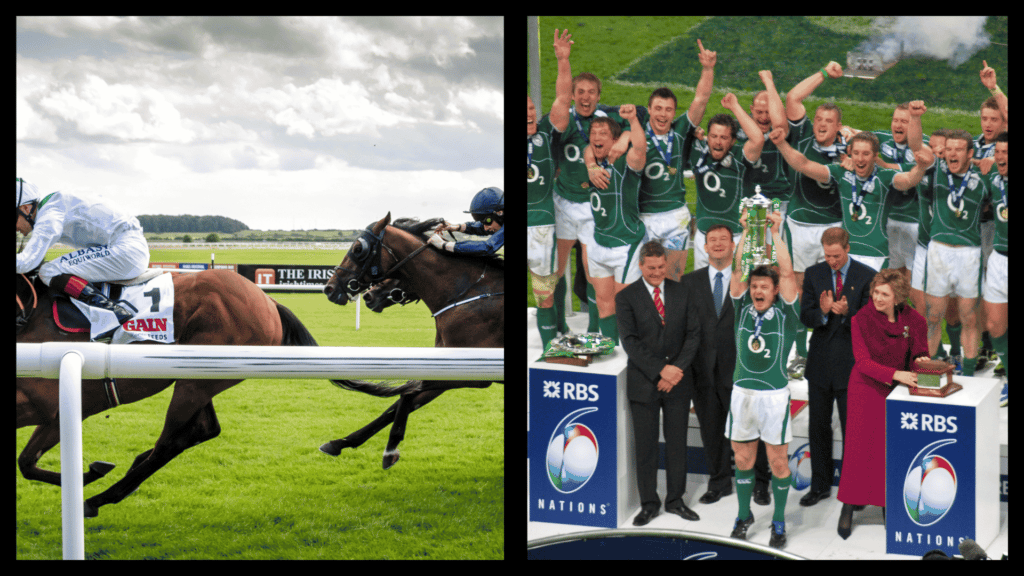
Let us break down the cornerstone events that define the sporting year in Dublin. These are the fixtures that sell out fast and create the city’s most electric atmospheres.
The Six Nations Rugby: Every spring, the Aviva Stadium becomes the epicenter of Irish national pride. When the Irish rugby team runs out for a home match in this tournament, the city is painted green. Pubs overflow, streets buzz, and the singing of “Zombie” by The Cranberries or “The Fields of Athenry” is a ritual. Securing tickets is notoriously difficult, but the atmosphere in the surrounding bars on match day is an event in itself.
The All-Ireland Finals: The pinnacle of the Gaelic Athletic Association (GAA) season. Held at Croke Park on two separate Sundays in September, the All-Ireland Hurling and Football Finals are more than sporting events; they are national holidays. The skill and speed of hurling, often described as the fastest field sport on grass, is breathtaking. The passion for Gaelic football is tribal and deeply rooted in community identity. Attending one is a profound cultural immersion.
The Dublin Horse Show: A different but equally prestigious facet of Dublin’s sporting life. Held at the RDS in Ballsbridge every August, it combines world-class showjumping (including the prestigious Aga Khan Trophy) with fashion, shopping, and socializing. It represents the more formal, yet equally enthusiastic, side of Irish sporting culture.
LEAGUE AND CLUB ACTION: THE WEEKLY PULSE
Beyond the blockbuster internationals and finals, Dublin’s weekly sporting calendar is packed. For a more regular and accessible taste of local passion, consider these options.
League of Ireland Soccer: Catch a Dublin derby between Shamrock Rovers and Bohemians at Tallaght Stadium or Dalymount Park. The atmosphere is intimate, loud, and fiercely loyal. It is a fantastic way to see rising talent and engage with dedicated local supporters.
Gaelic Games League Matches: Throughout the year, Croke Park and Parnell Park host national league and provincial championship matches featuring Dublin’s county teams. The standard is exceptionally high, tickets are easier to come by than for the finals, and you will witness the tactical buildup to the summer championship season.
PLANNING YOUR TRIP: A STEP-BY-STEP GUIDE
Navigating tickets, transport, and timing for major Dublin Ireland sporting events requires strategy. Follow this five-step guide to ensure a seamless experience.
STEP 1: IDENTIFY YOUR TARGET EVENT. Consult the official calendars for the GAA, Irish Rugby Football Union (IRFU), and FAI (Football Association of Ireland) well in advance. Dates for major events are often set a year ahead.
STEP 2: UNDERSTAND THE TICKET RELEASE CYCLE. For events like the Six Nations, tickets are primarily distributed through affiliated clubs and unions. Public sales are extremely limited. Consider official hospitality packages or authorized resale platforms as a more reliable, though pricier, option. For GAA matches, tickets for all but the finals are usually available on Ticketmaster.ie closer to the date.
STEP 3: BOOK ACCOMMODATION IMMEDIATELY. Once you have your event date, book your hotel or Airbnb. Dublin’s accommodation fills up remarkably fast for major sporting weekends, and prices surge.
STEP 4: PLAN YOUR MATCHDAY TRANSPORT. Dublin’s public transport, including Luas trams and buses, is the best way to reach stadiums on event days. Purchase a Leap Card for easy travel. Allow extra time for significant crowds and road closures.
STEP 5: EMBRACE THE PRE- AND POST-MATCH CULTURE. The event is not just the 80 or 70 minutes of play. Arrive early to soak up the atmosphere in nearby pubs. After the match, join the crowds flowing back into the city center—the buzz can last for hours.
COMPARING THE VENUE EXPERIENCES
Choosing which Dublin Ireland sporting events to attend can depend on the venue experience you seek. Here is a comparison of the two main stadiums.
| Feature | Croke Park (GAA Headquarters) | Aviva Stadium (Rugby & Soccer) |
|---|---|---|
| PRIMARY SPORTS | Gaelic Football, Hurling, Concerts | Rugby, Soccer, Concerts |
| CAPACITY | Approximately 82,300 | Approximately 51,700 |
| ATMOSPHERE | Raw, tribal, deeply Irish. A cacophony of cheers and collective gasps. | International, anthemic, loud but structured. Famous for its “Lansdowne Roar.” |
| UNIQUE FACT | Home to the GAA Museum and offers a spectacular rooftop stadium tour. | One of the first major stadiums rebuilt as a complete bowl, offering excellent sightlines. |
| BEST FOR | Experiencing the heart of Irish cultural sport. | Seeing world-class international rugby in a state-of-the-art arena. |
COMMON PITFALLS TO AVOID
WARNING: A common mistake visitors make is underestimating the demand and planning timeline for top-tier Dublin Ireland sporting events. Attempting to buy tickets on the day for a Six Nations match or an All-Ireland Final is almost certainly futile and will lead to disappointment or exorbitant prices from touts, which is not recommended. Furthermore, do not assume all major events are in the summer. The rugby Six Nations is a late-winter/spring event, while the GAA club finals happen in January. Always verify dates from official sources.
BEYOND THE GAME: THE SOCIAL FABRIC
In my experience, what separates a good sporting trip from a great one is engaging with the social ritual around the game. In Dublin, sport is a conversation starter, a unifying force. Before a big match, pubs from Temple Bar to Baggot Street become seas of team jerseys. Strangers become friends debating tactics. After a Dublin victory, the city erupts in good-natured celebration. We have seen clients return not just with photos, but with stories of shared pints and songs with locals. This social dimension is as integral to the event as the action on the pitch.
CONCLUSION AND YOUR ACTION CHECKLIST
Dublin Ireland sporting events offer a powerful gateway to understanding the city’s character—its passion, its community spirit, and its pride. By planning ahead and embracing the full experience, you secure more than just a ticket; you secure a memory that embodies the very soul of Ireland.
YOUR DUBLIN SPORTING EVENT CHECKLIST:
CONFIRM the official dates for your target event 6-12 months in advance.
REGISTER for ticket alerts on official governing body websites (GAA, IRFU, FAI).
SECURE your accommodation as soon as your event date is locked in.
PURCHASE a Leap Card for convenient access to Dublin’s public transport network.
RESEARCH the local pubs and neighborhoods near your venue for the pre-match atmosphere.
PACK appropriate clothing for Dublin’s changeable weather—layers are essential.
ARRIVE at the stadium or surrounding area at least 2-3 hours before kick-off to enjoy the build-up.
LEARN the chorus of one popular fan chant or song to feel more connected to the crowd.
VISIT the GAA Museum at Croke Park on a non-match day for deeper historical context.
CHECK for any smaller, local club games during your stay for an authentic grassroots experience.