





# The Ultimate Guide to Daal English Name: Your Key to Global Cooking and Shopping
Have you ever stood in an international grocery aisle, staring at bags of lentils, peas, and beans, utterly confused? You know you need daal for that authentic curry, but the labels only say “split pigeon peas” or “red lentils.” The search for the correct daal english name is a common hurdle for home cooks and food enthusiasts worldwide. This gap between traditional names and their English counterparts can turn a simple shopping trip into a puzzle.
This comprehensive guide is designed to be your definitive translator. We will demystify the world of daal, providing clear english names, explaining their unique properties, and showing you exactly how to use them. By the end, you will shop and cook with confidence, unlocking a treasure trove of global cuisine.
UNDERSTANDING THE SEARCH FOR DAAL ENGLISH NAME
The term “daal” originates from Sanskrit and refers to dried, split pulses (lentils, peas, beans) that have had their outer hulls removed. In South Asian cuisine, daal is a staple, a protein-rich foundation for countless dishes. However, when these ingredients spread globally, they were often categorized under broader English terms. This created a disconnect. Someone looking for “chana daal” might not know it’s called “split chickpeas” or “Bengal gram” in English. This search is primarily informational. People want to identify, purchase, and correctly substitute these essential ingredients.
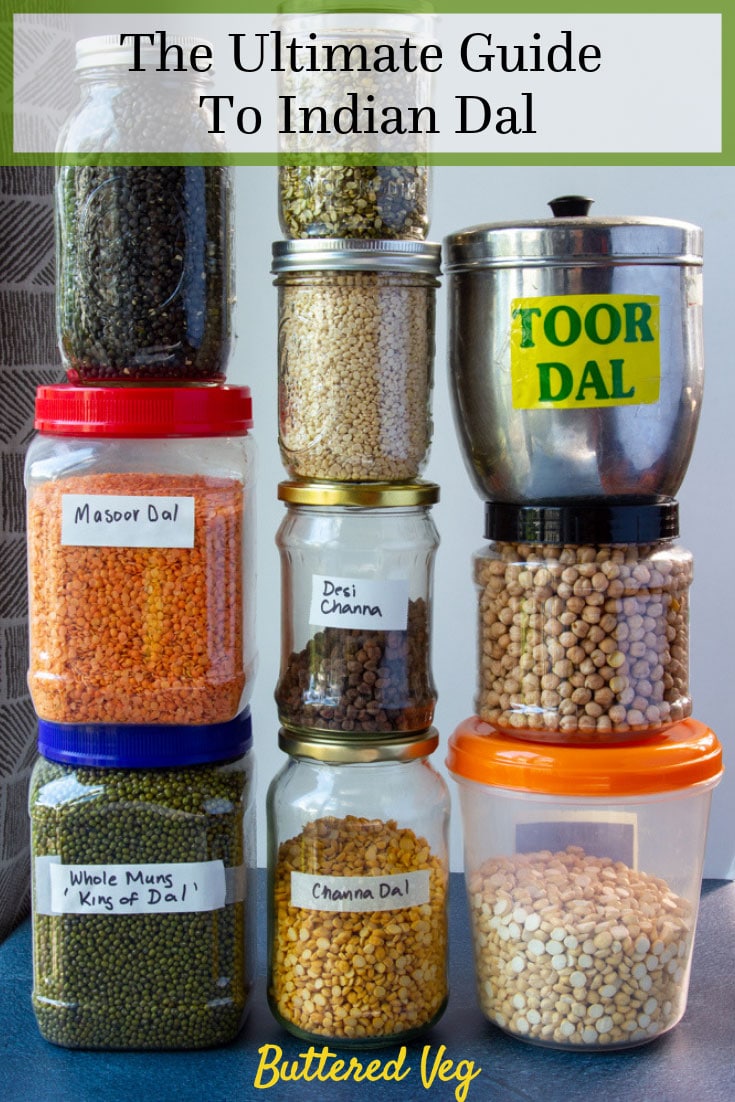
KEY DAAL VARIETIES AND THEIR ENGLISH NAMES
Here is a detailed breakdown of the most common daals, their english names, and characteristics. This table will serve as your quick-reference guide.
| Common Daal Name | Primary English Name | Other Names / Description | Key Characteristics |
|---|---|---|---|
| Moong Daal | Split Mung Beans (without skin) | Yellow Lentils | Quick-cooking, easy to digest, turns golden yellow when cooked. |
| Masoor Daal | Red Lentils | Split Red Lentils | Cooks very fast into a soft, mushy consistency, perfect for soups. |
| Toor / Arhar Daal | Split Pigeon Peas | Yellow Pigeon Peas | Firm texture, slightly nutty flavor, the base for classic Indian “sambar.” |
| Chana Daal | Split Chickpeas | Bengal Gram | Denser and grainier, holds its shape well, used in hearty dishes and flour. |
| Urad Daal (whole) | Black Gram | Black Lentils, Maah | Small, black whole lentils. Creamy when cooked, used in dal makhani. |
| Urad Daal (split, skinless) | Split Black Gram (skinless) | White Lentils | White in color, used for batters (dosa, idli) and creamy dals. |
This table clarifies the primary daal english name translations. Notice how one daal type, like Urad, can have different english names based on its processing (whole vs. split).
WHY KNOWING THE CORRECT ENGLISH NAME MATTERS
Beyond simple translation, accurate identification impacts your cooking results. Different daals have distinct cooking times, water absorption rates, and final textures. Using split pigeon peas (toor daal) when a recipe calls for the quick-melting quality of red lentils (masoor daal) will drastically alter your dish. Furthermore, in nutritional contexts, precise naming is crucial. For instance, a study published in the journal “Foods” highlighted the significant variance in protein, fiber, and micronutrient profiles across different pulse types (source: Foods Journal, “Nutritional Composition of Pulses”). Knowing you are buying “split chickpeas” allows you to access accurate nutritional data.
From my experience consulting for international food brands, confusion around the daal english name is a top barrier to entry for non-native cooks. We often see customers buying the wrong type, becoming frustrated, and abandoning the recipe altogether. Clear labeling and education, like this guide, directly empower people to explore new cuisines successfully.
HOW TO BUY DAAL USING ENGLISH NAMES: A STEP-BY-STEP GUIDE
Follow this simple five-step process to navigate any supermarket or online store.
STEP 1: IDENTIFY THE DAAL IN YOUR RECIPE.
Check your recipe source. Does it use the traditional name (e.g., “moong daal”) or an english name (“mung beans”)? If it’s the former, refer to the table above for translation.
STEP 2: CHECK THE PHYSICAL DESCRIPTION.
Recipes often describe the daal’s color (yellow, red, white) and form (split, whole, with skin). Match this to the english name. “Split, skinless, yellow lentils” almost always refers to moong daal.
STEP 3: SEARCH ONLINE OR IN-STORE USING THE ENGLISH TERM.
Use the primary english name from our table as your search keyword. For example, search “split pigeon peas” instead of just “daal.”
STEP 4: EXAMINE THE PACKAGING VISUALS.
Before buying, look at the picture on the bag. Compare the size, shape, and color of the pulses to images from reliable cooking websites. This visual confirmation is a great safety check.
STEP 5: WHEN IN DOUBT, ASK FOR HELP.
In specialty or international stores, do not hesitate to ask staff. You can say, “I’m looking for split chickpeas, also known as chana daal.” Using both names increases your chance of success.
COMMON MISTAKES AND HOW TO AVOID THEM
A major point of confusion is the blanket use of the word “lentil.” In Western contexts, “lentil” typically refers to masoor (red/brown/green lentils). However, many other daals are beans or peas. Calling toor daal “yellow lentils” is technically a misnomer—they are peas. This can lead to incorrect cooking expectations.
Another frequent error is substituting based on color alone. Both moong daal (split mung beans) and toor daal (split pigeon peas) can appear yellow, especially when polished. They are not interchangeable. Moong cooks much faster and becomes softer. Always verify by the english name and, if possible, the Latin botanical name on the package (e.g., *Cajanus cajan* for pigeon peas).
STORING AND COOKING YOUR DAAL FOR BEST RESULTS
Once you have successfully purchased your daal using its correct english name, proper storage and preparation are key. Store all daals in airtight containers in a cool, dark pantry. They can last for up to a year. Before cooking, always sort through them on a plate to remove any small stones or debris, then rinse thoroughly in a strainer under cold water.
Cooking times vary widely. Red lentils (masoor daal) may cook in 15-20 minutes, while whole black gram (urad daal) can take over an hour. A general rule is to use a 1:3 ratio of daal to water for split varieties, but adjust based on your desired consistency. Soaking harder daals like chana daal or whole urad daal for a few hours can significantly reduce cooking time and improve digestibility.
YOUR DAAL ENGLISH NAME MASTERY CHECKLIST
Use this final checklist to ensure you have all the knowledge needed to master the world of daals.
– I have bookmarked or saved the daal translation table for quick reference.
– I understand that “daal” is a category, not a single ingredient.
– I will use the specific english name (e.g., split pigeon peas) when shopping online or in stores.
– I know to check both the name and the visual appearance of the daal before purchasing.
– I recognize that cooking time and texture vary greatly between different types of daal.
– I will sort and rinse my daal before cooking to ensure cleanliness.
– I am confident in asking for help using both the english and traditional names if needed.
With this guide, the question of daal english name is solved. You are now equipped to explore recipes, navigate global markets, and bring authentic, delicious pulse-based dishes to your table with ease. Happy cooking