





Cuban sports programs have long captured global attention. For decades, this island nation has consistently produced world-class athletes across boxing, baseball, volleyball, and track and field. The system is a fascinating blend of state support, cultural passion, and a unique talent identification model. This guide dives deep into how these programs function, their key principles, and what makes them so effective despite limited resources.
We will explore the structure, philosophy, and outcomes of Cuba’s approach to athletic development. You will learn about the role of schools, the path to elite sports, and how this model compares to others. Whether you are a coach, a sports administrator, or simply curious, this analysis provides valuable insights.
# Understanding the Cuban Sports System
The foundation of Cuban sports programs is deeply integrated into the national education system. It is not a separate entity but a core part of childhood development. The process begins early, with a focus on physical literacy and general athleticism rather than immediate specialization.
Physical education is mandatory and rigorous from primary school onward. Teachers and coaches are trained to identify children with natural aptitude for movement, coordination, and specific physical traits. This early exposure ensures a large pool of children develop a basic competence in multiple sports. The system is designed to be inclusive at this stage, promoting health and participation for all.
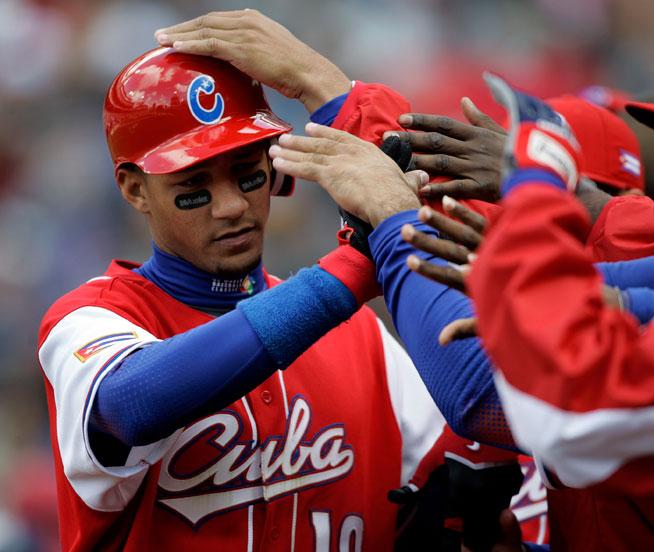
The next critical step is the network of specialized schools. The most famous of these are the Escuelas de Iniciacion Deportiva Escolar, or EIDE. These are boarding schools where talented young athletes receive intensive training alongside their academic studies. Admission is competitive and based on performance in national school competitions and assessments by sports federations.
# The Pyramid Structure: From Schoolyards to the Podium
The Cuban sports model is often described as a pyramid. The broad base consists of millions of schoolchildren participating in mandatory PE and inter-school competitions. The middle layer comprises the provincial EIDE schools and academies focused on specific sports like baseball or boxing.
At the apex are the elite national training centers, such as the Cerro Pelado High Performance Center in Havana. Here, the country’s top athletes live and train full-time. They have access to the best available coaches, facilities, and sports medicine support. This clear pathway provides a structured journey from grassroots to the highest level.
A key feature is the concept of “masividad,” or mass participation. The government invests in community sports facilities, making activities like baseball, basketball, and volleyball accessible to nearly everyone. This creates a deep cultural reservoir of talent and passion. Interestingly, the lack of commercial professional leagues within Cuba means that sporting excellence is primarily pursued for national pride and personal achievement, rather than financial gain.
# Core Principles Behind the Success
Several non-negotiable principles underpin the effectiveness of Cuban sports programs.
First is the integration of sports and education. Athletes are students first. This ensures that even those who do not reach the elite level have an academic foundation for their future. Second is the focus on scientific training. Cuba has a strong tradition of sports science and medicine, applying research to training methodologies, nutrition, and injury prevention.
Third, and perhaps most importantly, is the development of coaches. Cuba invests heavily in coaching education, producing highly qualified technicians who often work abroad as exports of knowledge. According to a study published in the International Journal of History of Sport, Cuba’s coach-to-athlete ratio at the high-performance level is exceptionally favorable, allowing for highly personalized training plans.
Finally, there is an emphasis on psychological resilience. Cuban athletes are known for their mental toughness and competitive spirit, traits cultivated through a system that teaches discipline and perseverance from a young age.
# A Comparative Look: Cuba vs. Other Models
To understand the uniqueness of the Cuban system, it is helpful to compare it with other dominant models, such as the decentralized, market-driven approach common in the United States.
Here is a comparison table highlighting key differences:
| Feature | Cuban Sports Program Model | US Private/Club Model |
|---|---|---|
| Primary Driver | State funding and national policy | Private investment, family funding, university scholarships |
| Access & Cost | Free at point of access, from grassroots to elite | Often high cost, creating potential barriers to entry |
| Talent Identification | Systematic, through school-based national competitions | Decentralized, through club tournaments and private scouts |
| Athlete Focus | National team success and holistic development | Individual achievement, college recruitment, professional contracts |
| Coach Pathway | Centralized, state-certified education system | Varied, often through playing experience and private certification |
This table shows two fundamentally different philosophies. The Cuban model prioritizes systematic, broad-based development for national prestige. The US model is a competitive marketplace where individual investment often dictates opportunity. Each has strengths and weaknesses. The Cuban system excels at maximizing talent from its entire population but can be limited by resource constraints. The US model can produce incredible, well-resourced specialists but may miss talented individuals from lower-income backgrounds.
# How to Implement Cuban Program Principles in Your Context
You do not need a state-funded system to apply some of the successful principles of Cuban sports programs. Here is a practical, five-step guide for coaches or community organizations.
STEP 1: PRIORITIZE FUNDAMENTAL MOVEMENT SKILLS. Design youth programs that develop agility, balance, coordination, and speed before specializing in a single sport. This builds better all-around athletes and reduces injury risk.
STEP 2: CREATE AFFORDABLE ACCESS POINTS. Look for ways to reduce financial barriers. This could involve community grants, partnerships with schools, or sliding-scale fees. The goal is to cast a wider net for talent.
STEP 3: ESTABLISH A CLEAR DEVELOPMENT PATHWAY. Map out a progression from beginner to advanced levels within your program. Make the criteria for advancement clear and objective for athletes and parents.
STEP 4: INVEST IN COACH EDUCATION. The quality of coaching is the single biggest factor in athlete development. Allocate resources for your coaches to gain certifications, attend clinics, and learn from mentors.
STEP 5: FOSTER A CULTURE OF MENTAL TOUGHNESS AND TEAM PRIDE. Incorporate lessons on resilience, focus, and sportsmanship into training. Celebrate effort and improvement as much as victory.
COMMON MISSTEP TO AVOID
A major mistake is trying to replicate the Cuban model’s outcomes without its foundational support. For instance, implementing highly intensive training for children without the parallel support of full-time academic tutors, sports medicine, and nutritional guidance can lead to burnout, injury, and academic failure. The Cuban system works because the athlete is supported in all aspects of life. Isolating the training component without the holistic structure is a recipe for problems.
# The Results and Modern Challenges
The output of Cuban sports programs speaks for itself. With a population of just over 11 million, Cuba has consistently ranked among the top 20 nations in the Summer Olympic medal count for decades. In sports like boxing and wrestling, it is a perennial powerhouse. This is a staggering achievement of efficiency.
However, the system faces significant challenges. The economic situation in Cuba limits access to cutting-edge equipment, facilities, and international competition. Furthermore, “defections,” where athletes leave the national team to pursue professional careers abroad, represent a persistent brain drain. Despite these pressures, the core system remains resilient. According to data from the International Olympic Committee, Cuba maintained a top 15 position in the gold medal tally at the 2020 Tokyo Olympics, demonstrating the enduring strength of its talent pipeline.
From my experience working with sports organizations in developing nations, the most inspiring lesson from Cuba is the power of a unified philosophy. When every coach, from the local school to the national center, is aligned on a long-term development model, incredible efficiency is possible. It is a testament to what can be achieved with clear goals, even when financial resources are scarce.
# Your Actionable Checklist for Sports Development
To conclude, here are the key takeaways you can use to assess or build a effective sports program, inspired by the Cuban example.
CHECKLIST FOR EFFECTIVE SPORTS PROGRAM DEVELOPMENT
– INTEGRATE SPORTS WITH ACADEMIC OR PERSONAL DEVELOPMENT GOALS.
– ESTABLISH A BROAD, INCLUSIVE PARTICIPATION BASE AT THE ENTRY LEVEL.
– CREATE A CLEAR, MERIT-BASED PATHWAY FOR ADVANCING TALENT.
– MAKE COACH EDUCATION AND CERTIFICATION A TOP PRIORITY BUDGET ITEM.
– APPLY SPORTS SCIENCE PRINCIPLES TO TRAINING AND RECOVERY.
– DEVELOP MECHANISMS FOR EARLY AND OBJECTIVE TALENT IDENTIFICATION.
– FOSTER A CULTURE THAT VALUES MENTAL RESILIENCE AND TEAM PRIDE.
– SECURE SUSTAINABLE FUNDING THAT MINIMIZES BARRIERS TO PARTICIPATION.
The story of Cuban sports programs is one of maximizing potential. It proves that with a strategic, systematic, and passionate approach, a nation can achieve sporting excellence that far exceeds what its economic metrics might predict. The principles behind this success are valuable for anyone interested in the true craft of athlete development.