





# The Ultimate Guide to Clothing in Botswana: Tradition, Fashion, and Where to Shop
Clothing in Botswana tells a vibrant story. It is a tale of deep cultural heritage, modern style, and practical adaptation to a unique climate. For travelers, expatriates, or anyone curious about Batswana culture, understanding what people wear is a window into the nation’s soul. This guide goes beyond a simple list of garments. We explore the traditional attire that defines ceremonies, the everyday fashion in cities like Gaborone, and provide practical advice for your own wardrobe. Whether you are planning a visit or simply expanding your cultural knowledge, this is your comprehensive resource on clothing in Botswana.
## The Heart of Culture: Traditional Botswana Attire
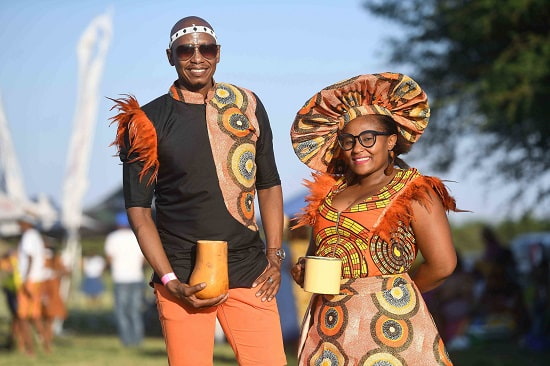
Traditional clothing in Botswana is not worn daily by most in urban areas, but it remains a powerful symbol of identity and pride, especially during important events. The centerpiece for women is the “leteise” or “mushana.” This is a colorful, patterned dress, often made from high-quality fabric, worn with a matching headscarf. For men, traditional attire includes a shirt made from the same material as the woman’s dress, paired with trousers and sometimes a jacket or a “kaross,” which is a traditional animal skin cloak.
The most iconic fabric is the “Shweshwe.” Interestingly, this fabric’s history is a global journey. Originally a printed indigo cloth from Europe, it was popularized in Southern Africa and is now quintessentially associated with Basotho and Batswana traditional dress. Its intricate geometric patterns are instantly recognizable at weddings, initiation ceremonies, and national celebrations like Independence Day.
## Modern Fashion and Everyday Wear in Botswana
Walk down the streets of Gaborone or Francistown today, and you will see a dynamic blend of global and local styles. Everyday clothing in Botswana for professionals mirrors international business casual: trousers, button-down shirts, blouses, skirts, and dresses. The youth heavily influence trends, often seen in jeans, sneakers, t-shirts with global brands, and contemporary African print designs.
A thriving local fashion scene is putting modern Botswana clothing on the map. Designers are innovating by incorporating traditional motifs and fabrics like Shweshwe into modern silhouettes—think tailored blazers, pencil skirts, and even sneakers featuring traditional patterns. This fusion creates a unique “Afro-chic” style that is both cosmopolitan and rooted.
## Dressing for the Climate: A Practical Guide
Botswana’s climate is predominantly semi-arid, characterized by hot, dry seasons and mild winters. Your clothing choices must be practical. From October to April, lightweight, breathable, and light-colored natural fabrics like cotton and linen are essential for coping with the heat. A wide-brimmed hat and high-SPF sun-protective clothing are highly recommended.
The winter months (May to August) bring chilly mornings and evenings, especially in the Kalahari. Layering is key. Pack a warm fleece or jacket, long trousers, and closed shoes. Interestingly, despite the heat, modesty is valued, particularly in rural villages. Avoiding overly revealing clothing is a sign of respect.
## Where to Shop for Clothing in Botswana
Finding clothing in Botswana ranges from modern malls to vibrant markets. Here is a breakdown of your main options:
SHOPPING MALLS: These are your go-to for international brands and everyday essentials. Game Stores, Woolworths, and Mr Price offer a wide range of affordable options. The African Mall and Main Mall in Gaborone also house various local retailers.
LOCAL MARKETS AND BOUTIQUES: For authentic traditional clothing and unique local designs, markets are unbeatable. The Gaborone Craft Market is excellent for souvenirs and handmade items. For contemporary Botswana fashion, seek out local designer boutiques in urban centers, which support local artisans and offer one-of-a-kind pieces.
ONLINE SHOPPING: E-commerce is growing. Platforms like Superbalist and Takealot deliver nationally. Some local designers also sell through social media platforms like Instagram and Facebook.
To help you decide where to focus your shopping efforts, here is a comparison:
| Type of Store | Best For | Price Range | Experience |
|---|---|---|---|
| Shopping Malls (e.g., Game, Woolworths) | Everyday wear, international brands, basics, family clothing | Mid-range to High | Convenient, air-conditioned, consistent stock |
| Local Markets & Boutiques | Traditional attire, unique local designs, handmade crafts, souvenirs | Varies (Bargaining possible at markets) | Cultural immersion, unique finds, direct support of locals |
## How to Buy and Care for Traditional Botswana Fabrics
Bringing home a piece of Botswana through its textiles is a wonderful idea. Here is a simple step-by-step guide to purchasing and caring for a traditional Shweshwe fabric or garment.
STEP 1: FIND A REPUTABLE SOURCE. Visit a dedicated fabric shop in a major city or a stall at a craft market known for quality goods.
STEP 2: EXAMINE THE FABRIC. Authentic Shweshwe is stiff with a distinct smell from the finishing process. Look for the recognizable three-cats trademark on the fabric’s edge, a sign of the popular Da Gama Textiles brand.
STEP 3: CHOOSE YOUR DESIGN. Shweshwe comes in countless patterns and colors, from classic indigo to vibrant pinks and greens. Select one that speaks to you.
STEP 4: DECIDE ON ITS USE. You can buy the fabric by the meter to have an item tailor-made locally, or purchase a ready-made item like a shirt, bag, or tablecloth.
STEP 5: LEARN THE CARE. Before its first wash, soak the fabric in a salt and vinegar solution to help set the colors. Always hand-wash separately in cold water and air dry to preserve its quality and vibrant print.
## Common Misconceptions and What to Avoid
A frequent mistake visitors make is assuming traditional dress is worn everywhere. While it is a cherished part of national identity, most Batswana wear Western-style clothing daily. Do not be surprised or disappointed to see this; it is a sign of a modern, globalized society.
Another misconception is that all African print fabric is from Botswana. As noted, Shweshwe has a complex history. Appreciate it as a cultural adoption and innovation rather than an ancient, indigenous craft. When shopping, be respectful. Ask permission before taking close-up photos of people in traditional dress, especially at cultural events.
From my experience working with cultural guides in the Okavango Delta, the most respected travelers are those who dress appropriately for both the environment and the culture. We learned that packing a simple, modest shawl or sarong is invaluable for impromptu village visits, showing immediate consideration for local norms.
## The Economic and Social Fabric of the Industry
The clothing sector in Botswana is part of a larger push for economic diversification. While the country still imports a significant amount of apparel, there is a growing focus on local manufacturing and design. The government, through initiatives like the Local Procurement Policy, encourages the support of home-grown industries. This includes the textile and clothing sector.
The demand for clothing is steady. With a population of approximately 2.4 million and a growing middle class, consumer spending on apparel and footwear is a notable part of the economy. Supporting local designers and buying authentic crafts directly contributes to this sustainable economic growth and empowers local entrepreneurs.
## Your Practical Botswana Clothing Checklist
Use this actionable list to plan your wardrobe for a trip to Botswana or to guide your cultural exploration.
FOR TRAVELERS: Pack lightweight, neutral-colored clothing for safaris. Include a warm layer for winter game drives. Bring a solid pair of walking shoes or boots. Always have a wide-brimmed hat and high-quality sunglasses. Include at least one modest outfit for village visits.
FOR CULTURAL ENTHUSIASTS: Research local designers online before your trip. Visit at least one craft market to see traditional work. Learn a few basic Setswana phrases to use when shopping. If attending a formal event, inquire about the dress code in advance.
FOR SHOPPING: Set a budget for souvenirs and local crafts. Carry small bills for market purchases. Ask about the story behind handmade items. Ensure you have space in your luggage for fabric purchases.
In conclusion, clothing in Botswana is a dynamic and meaningful aspect of life. It connects the past to the present, the village to the city, and the individual to the community. By understanding and appreciating its layers—from the symbolic leteise to the innovative designs on city streets—you gain a richer, more nuanced perspective of this remarkable country.