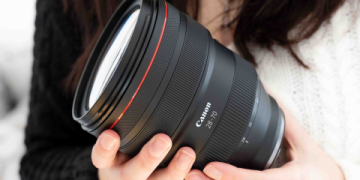






Capturing the peak action of a game-winning touchdown, the perfect form of a sprinter, or the intense focus of a tennis player requires more than just a good camera. The lens you choose is arguably the most critical piece of gear. Finding the best lens for sports can feel overwhelming with so many options. This comprehensive guide cuts through the noise. We will break down the essential features, compare top contenders, and provide a clear roadmap to help you make the perfect choice for your needs and budget.
# Understanding Sports Photography Demands
Sports photography is one of the most demanding genres. It combines the need for speed, reach, and low-light performance. Your lens must keep up with fast, unpredictable movement. The primary challenges are distance, speed, and lighting conditions. You are often far from the action, requiring a long focal length. Subjects move at incredible speeds, demanding fast and accurate autofocus. Many events happen indoors or at night, requiring a lens that performs well in low light. Understanding these core demands is the first step to selecting the right tool.
# Key Features of the Best Sports Lens
Not all telephoto lenses are created equal. When searching for the best lens for sports, prioritize these four non-negotiable features.
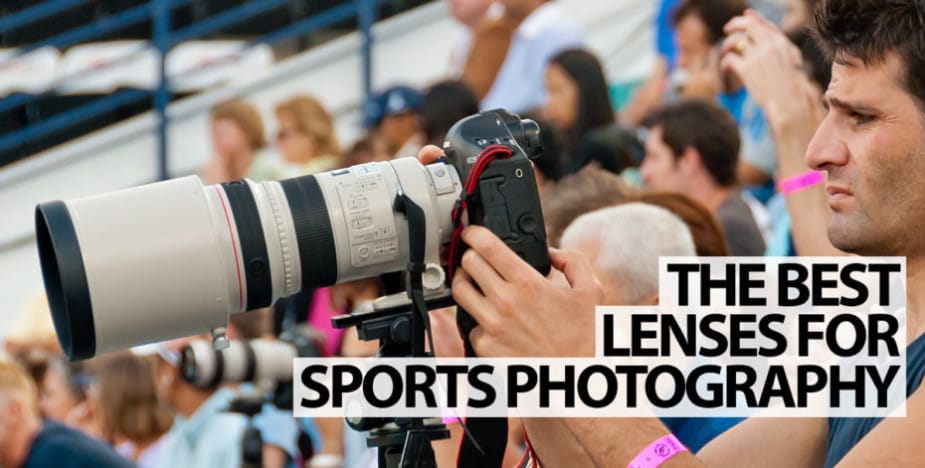
FOCAL LENGTH AND ZOOM: This determines how close you can get to the action. For field sports like football or soccer, a 70-200mm lens is a versatile starting point. For sideline professionals, 300mm, 400mm, or even 600mm prime lenses are common. Zoom lenses like a 100-400mm offer fantastic flexibility for changing compositions.
APERTURE (F-NUMBER): A wide maximum aperture, like f/2.8 or f/4, is crucial. It allows more light to hit the sensor, enabling faster shutter speeds to freeze motion. It also improves autofocus performance in dim light and creates a pleasing blurred background, isolating your subject.
AUTOFOCUS SPEED AND ACCURACY: This is the engine of a sports lens. You need a system that can acquire and track a moving subject instantly and reliably. Look for lenses with advanced motor technology, such as ultrasonic (USM/SSM) or stepper motors (STM), and compatibility with your camera’s top-tier tracking modes.
IMAGE STABILIZATION: While you’ll use fast shutter speeds, stabilization (IS/VR) is invaluable for handheld shooting at long focal lengths or during slower moments. It helps combat camera shake, allowing for sharper images. Some systems even offer a special mode for panning with moving subjects.
# Prime vs. Zoom: The Great Debate
A major decision is choosing between a prime lens (fixed focal length) and a zoom lens. Each has distinct advantages for capturing sports.
Prime lenses, like a 300mm f/2.8 or 400mm f/2.8, typically offer superior image quality and wider maximum apertures. This gives you an edge in low light and potentially sharper results. However, they are heavier, more expensive, and lack compositional flexibility.
Zoom lenses, such as a 70-200mm f/2.8 or 200-500mm f/5.6, provide incredible versatility. You can quickly adjust your framing as the action moves closer or farther away without changing lenses. This makes them ideal for photographers who cover multiple types of sports or need to travel light. Modern high-end zooms rival the optical quality of many primes.
To help visualize the trade-offs, here is a comparison:
| Feature | Prime Lens (e.g., 400mm f/2.8) | Zoom Lens (e.g., 100-400mm f/4.5-5.6) |
|---|---|---|
| Image Quality | Typically exceptional, with less optical compromise. | Very good to excellent in modern high-end models. |
| Maximum Aperture | Wider (e.g., f/2.8), better for low light. | Often narrower, especially at long end (e.g., f/5.6). |
| Flexibility | None. You must move physically to recompose. | High. Frame the shot instantly without moving. |
| Weight & Size | Very large and heavy, requires a monopod. | Relatively more compact and manageable. |
| Price | Extremely high, often exceeding $10,000. | More accessible, especially for variable-aperture zooms. |
# Top Lens Recommendations by Sport and Budget
The ideal sports photography lens varies. Here are targeted recommendations.
FOR PROFESSIONALS AND SERIOUS ENTHUSIASTS: The workhorse is the 70-200mm f/2.8 lens. It’s sharp, fast, and versatile for sideline action in well-lit stadiums or indoor courts. For longer reach, a 300mm or 400mm f/2.8 prime is the gold standard for field sports. According to a 2022 survey by Professional Photographers of America, the 70-200mm f/2.8 was the most commonly used lens for event photography, which includes sports.
FOR BUDGET-CONSCIOUS SHOOTERS: Excellent third-party options from Tamron and Sigma provide tremendous value. Consider a telephoto zoom like a 70-300mm or 100-400mm. While they may have a variable aperture (e.g., f/4.5-6.3), they can produce great results in daylight. Another smart strategy is buying previous-generation used or refurbished lenses from reputable dealers.
FOR SPECIFIC SPORTS:
– Indoor Sports (Basketball, Volleyball): A fast 70-200mm f/2.8 or even a 24-70mm f/2.8 for wider, environmental shots is perfect.
– Daytime Field Sports (Soccer, Baseball): A 100-400mm or 150-600mm zoom gives you the range to cover the entire field.
– Low-Light/Arena Sports (Boxing, Ice Hockey): Speed is king. Prioritize the widest aperture you can afford, like a 70-200mm f/2.8.
# A 5-Step Guide to Buying Your First Sports Lens
Follow this actionable guide to make a confident purchase.
STEP 1: ASSESS YOUR PRIMARY USE. What sport will you shoot most? Are you indoors or outdoors? Day or night? Answering these questions narrows down the required focal length and aperture.
STEP 2: AUDIT YOUR GEAR AND BUDGET. Check your camera’s sensor size (full-frame or crop-sensor), as this affects the effective focal length. Then, set a firm budget that includes any necessary accessories like a monopod or tripod collar.
STEP 3: RESEARCH AND COMPARE. Read in-depth reviews and sample galleries from trusted photography sites. Pay special attention to autofocus performance and sharpness in real-world conditions, not just lab tests.
STEP 4: RENT BEFORE YOU BUY. This is the most important step for a major purchase. Renting a lens for a weekend allows you to test it in real shooting scenarios. Based on my experience, we always recommend our workshop students to rent first; it has saved many from buyer’s remorse.
STEP 5: PURCHASE FROM A REPUTABLE SOURCE. Buy from authorized dealers for a full warranty. Consider certified refurbished units from the manufacturer for significant savings on like-new gear.
# Common Mistakes to Avoid
WARNING: AVOID THESE PITFALLS WHEN SELECTING YOUR SPORTS LENS.
Do not over-prioritize megazoom range (e.g., 18-300mm) over aperture speed. These superzooms often have slow, variable apertures like f/6.3, which severely handicaps you in low light and for freezing action.
Do not assume you need the longest lens possible. A 600mm lens is overkill for a small gymnasium. Match the focal length to the typical distance you’ll be from the action.
Do not forget about weight and portability. The best lens for sports is useless if it’s too heavy to carry or hold steady for an entire game. Always consider the total system weight.
# Final Checklist for Your Sports Lens
Before you finalize your decision, run through this checklist. Ensure your chosen lens meets these criteria.
– Focal length suitable for your primary sport and shooting distance.
– Maximum aperture of f/2.8 or f/4 for professional work, or the widest you can afford.
– Fast, reliable autofocus with a proven tracking motor.
– Image stabilization is present, especially for focal lengths over 200mm.
– Build quality is weather-sealed for outdoor use.
– The weight and size are manageable for your typical shooting duration.
– It fits within your total budget, including any necessary accessories.
– You have tested it via rental or in-store handling.
Choosing the best lens for sports is an investment in capturing the decisive moment. By focusing on aperture, autofocus, and focal length that matches your needs, you will equip yourself to tell the powerful stories that unfold on the field, court, and track. Now, go out and capture the action.