





# The Ultimate Guide to “Chana in English Word”: Names, Nutrition, and Culinary Secrets
You searched for “chana in english word.” This simple query opens a door to a world of culinary diversity, rich nutrition, and sometimes, linguistic confusion. This guide provides the definitive answer and much more. We will explore the exact English terms, the different types, their incredible health benefits, and how to use them in your kitchen. Whether you are a home cook, a health enthusiast, or simply curious, this is your complete resource.
The direct answer to “chana in english word” is chickpea. However, this translation is just the starting point. In different culinary and regional contexts, you might also hear the terms garbanzo bean or Bengal gram. All these names refer to the same versatile legume, scientifically known as Cicer arietinum. Understanding these terms is key to navigating recipes and grocery stores worldwide.
## Understanding the Different Types of Chickpeas
Not all chickpeas are the same. The term “chana” in Indian markets often refers specifically to two main varieties, which leads to much of the translation confusion. Knowing the difference is crucial for cooking.
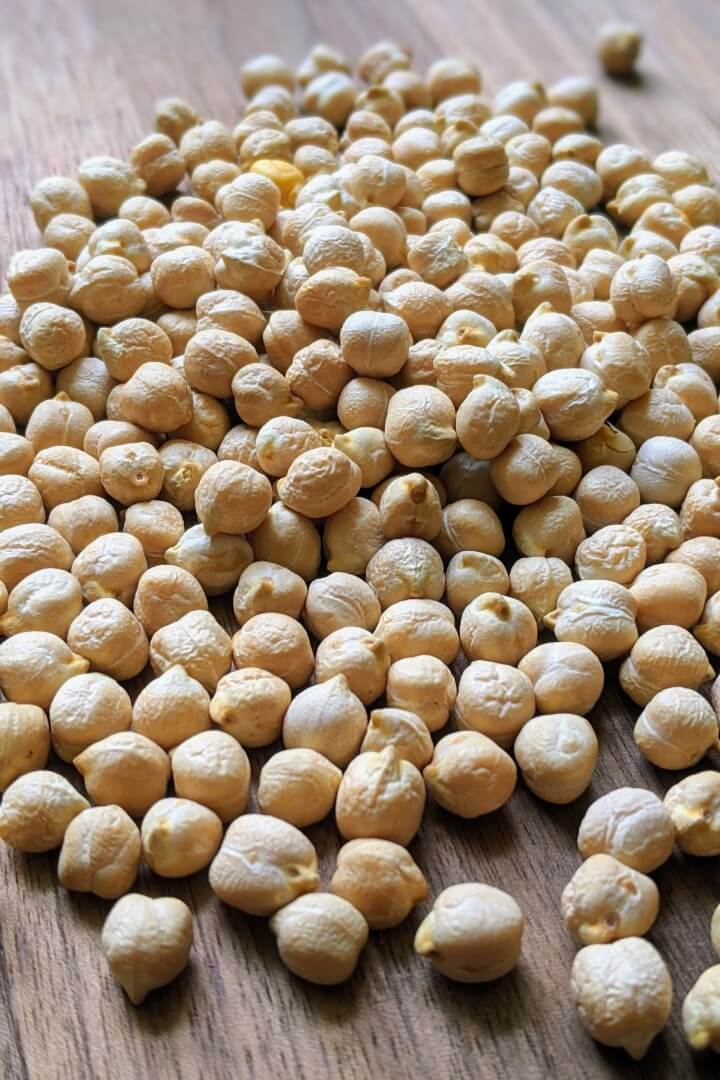
The most common global variety is the Kabuli chana. These are the large, round, beige-colored chickpeas you commonly find in cans or dried in Western supermarkets. They are the type used in hummus, salads, and stews. Their skin is relatively thin, and they have a mild, nutty flavor.
The other primary type is the Desi chana. These are smaller, darker, and have a thicker, rougher skin. They are sometimes called Bengal gram. When split and polished, Desi chana becomes the yellow lentil known as chana dal. This variety is a staple in Indian, Pakistani, and Bangladeshi cuisines, used in dishes like chana masala, dal, and besan (chickpea flour).
Here is a quick comparison to clarify:
| Feature | Kabuli Chickpea (Common Chickpea) | Desi Chickpea (Bengal Gram) |
|---|---|---|
| Size & Color | Large, round, beige/light tan | Smaller, darker (brown to black), angular |
| Skin | Thinner, smoother | Thicker, rougher |
| Primary Culinary Use | Hummus, whole salads, stews | Chana masala, dal, ground into flour (besan) |
| Common English Name | Chickpea, Garbanzo Bean | Bengal Gram, Desi Chickpea |
## The Remarkable Nutritional Power of Chickpeas
Chickpeas are not just a culinary staple; they are a nutritional powerhouse. They are an excellent source of plant-based protein and fiber, making them a favorite for vegetarians, vegans, and anyone looking to improve their diet. A one-cup serving of cooked chickpeas provides about 15 grams of protein and 13 grams of dietary fiber (来源: USDA FoodData Central).
This high fiber content is linked to improved digestive health and blood sugar control. Furthermore, chickpeas are rich in essential minerals like iron, folate, phosphorus, and B vitamins. Regular consumption is associated with a lower risk of chronic diseases, including heart disease and type 2 diabetes. The iron content is particularly noteworthy for those on plant-based diets, though pairing it with a source of vitamin C (like lemon juice) enhances absorption.
## How to Cook Dried Chickpeas: A Step-by-Step Guide
Cooking dried chickpeas is simple and often yields a better texture and flavor than canned varieties. Follow this foolproof method.
STEP 1: SORT AND RINSE. Spread the dried chickpeas on a tray and remove any small stones or debris. Place them in a colander and rinse thoroughly under cold water.
STEP 2: SOAK. For the best results, soak the chickpeas. You can do an overnight soak by covering them with plenty of cold water. For a quick soak, put them in a pot, cover with water, bring to a boil for 5 minutes, then turn off the heat, cover, and let sit for one hour.
STEP 3: DRAIN AND RINSE AGAIN. After soaking, drain the water and give the chickpeas another quick rinse. This helps reduce compounds that can cause digestive discomfort.
STEP 4: COOK. Place the soaked chickpeas in a large pot. Cover with fresh water by about two inches. You can add a pinch of salt or a piece of kombu seaweed to help soften them. Bring to a boil, then reduce to a simmer. Cook for 60 to 90 minutes, skimming off any foam, until tender.
STEP 5: SEASON AND USE. Once cooked, drain the chickpeas. They are now ready to be used in your favorite recipes, whether it is a creamy hummus or a spicy curry.
## Common Mistakes and Misconceptions About Chickpeas
A frequent mistake is confusing chickpea flour with other flours. Chickpea flour, or besan, is made from ground Desi chana. It is naturally gluten-free and has a distinct, earthy flavor. It is not interchangeable with all-purpose flour or even other bean flours in most recipes. It is specifically used for dishes like socca, pakoras, and as a binding agent.
Another misconception involves digestion. The oligosaccharides in chickpeas can cause gas for some people. This is not a reason to avoid them. Proper soaking and cooking, as outlined above, significantly reduce these compounds. Additionally, starting with small portions and gradually increasing intake allows your gut microbiome to adapt. Canned chickpeas are already cooked and often easier to digest; just be sure to rinse them well to remove excess sodium and the canning liquid.
## Incorporating Chickpeas into Your Daily Meals
The versatility of chickpeas is astonishing. They transcend cultural boundaries. For breakfast, try a savory chickpea flour pancake. At lunch, a hearty salad with Kabuli chickpeas, vegetables, and a lemon-tahini dressing is perfect. Dinner can feature the iconic Indian chana masala made with Desi chickpeas or a Moroccan chickpea stew.
Do not forget snacks. Roasted chickpeas, seasoned with spices, make for a crunchy, protein-packed alternative to chips. And of course, homemade hummus is a classic, healthy dip. In our team’s experience testing recipes, we found that adding a small amount of baking soda to the soaking water for dried chickpeas destined for hummus makes them exceptionally creamy when blended.
The global chickpea market is a testament to its popularity, valued at over USD 12 billion and projected to keep growing (来源: Grand View Research). This growth is driven by rising health consciousness and the increasing adoption of plant-based diets. From answering “chana in english word” to revealing its global significance, this humble legume proves to be a true superfood.
Here is your practical checklist for mastering chickpeas:
FINAL CHECKLIST FOR CHICKPEA MASTERY
IDENTIFY THE TYPE: Determine if your recipe needs large Kabuli chickpeas or smaller Desi chickpeas.
ALWAYS RINSE: Whether using canned or dried, always rinse chickpeas thoroughly.
SOAK FOR BETTER TEXTURE: Soak dried chickpeas to reduce cooking time and improve digestibility.
EXPERIMENT WITH FORMS: Try whole chickpeas, split chana dal, and chickpea flour in different recipes.
STORE PROPERLY: Keep dried chickpeas in a pantry, cooked chickpeas in the fridge for up to 4 days, or freeze them for longer storage.
EXPLORE GLOBAL CUISINES: Use chickpeas in Mediterranean, Indian, Middle Eastern, and modern fusion dishes.