






# The Ultimate Guide to Butter Price Per Pound: Trends, Factors, and How to Save in 2024
Understanding the butter price per pound is more than just checking a grocery receipt. It is a window into complex global supply chains, agricultural economics, and even your own kitchen budget. Whether you are a home baker, a restaurant owner, or simply a consumer, knowing what drives the cost of butter and how to navigate it is essential. This guide will provide a comprehensive look at the current butter market, the key factors influencing prices, and actionable strategies to make smart purchasing decisions.
We will break down everything from national averages to the differences between organic, European-style, and conventional butter. By the end, you will not only know the typical butter price per pound but also the reasons behind it and how to potentially pay less.
## What is the Current Average Price of Butter Per Pound?
As of early 2024, the average retail price for a pound of conventional salted or unsalted butter in the United States fluctuates between $3.50 and $5.00. This range can vary significantly based on location, brand, and store type. Warehouse clubs often offer multi-pound packages at a lower effective price per pound, sometimes dipping below $3.00, while premium or organic brands can easily exceed $6.00 per pound.
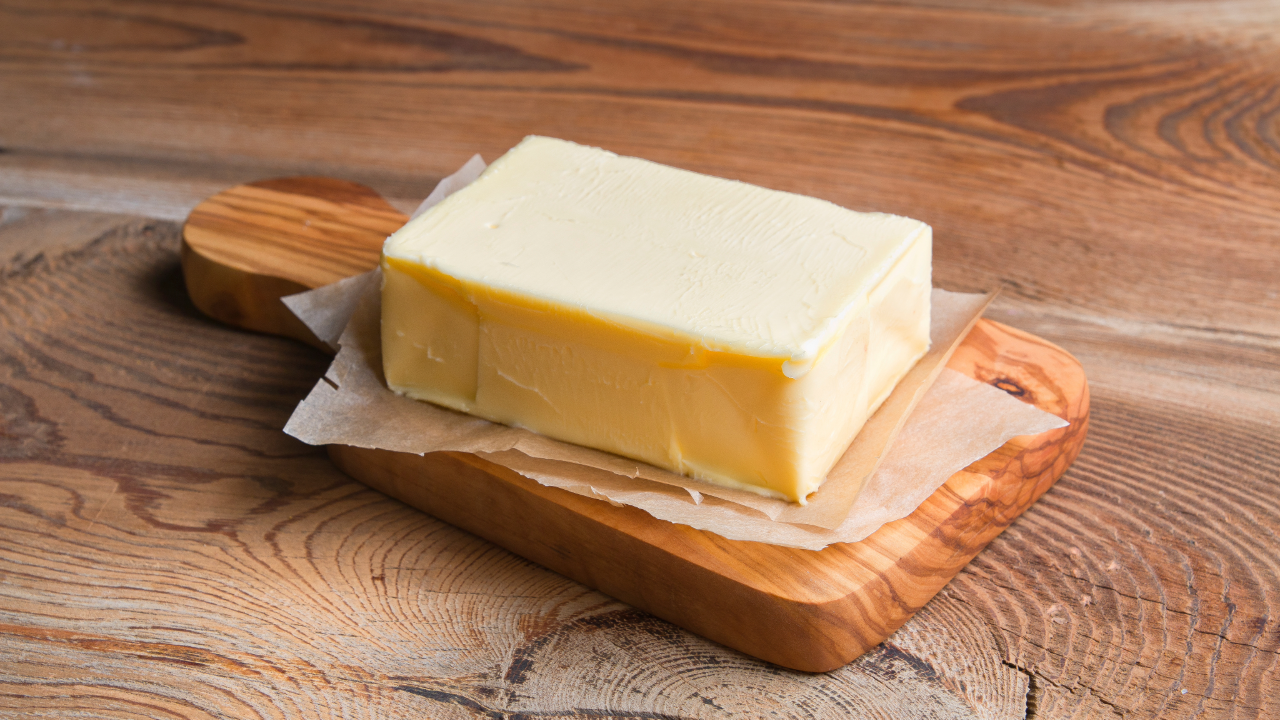
It is crucial to note that butter prices are not static. They respond to seasonal demand, with prices often rising in the fourth quarter due to holiday baking. For instance, in November 2022, the U.S. average price for a pound of butter peaked at an unprecedented $4.81, highlighting the volatility in the market (source: U.S. Bureau of Labor Statistics). Tracking these trends helps in planning major purchases.
## The 5 Key Factors Driving Butter Costs
The price you see on the shelf is the result of a cascade of economic and environmental factors. Here are the five primary drivers:
1. DAIRY COW FEED COSTS: The price of corn, soybeans, and alfalfa directly impacts the cost of milk production. When feed is expensive, the cost of producing milkfat rises, pushing up the butter price per pound.
2. MILK PRODUCTION AND SUPPLY: Weather events like droughts or floods can affect pasture quality and milk output. A decrease in national milk production tightens the supply of cream, the raw material for butter.
3. CONSUMER DEMAND: Shifts in dietary trends play a role. Periods of increased home baking, or a growing preference for natural fats over processed oils, can boost demand and pressure prices.
4. GOVERNMENT POLICIES AND SUBSIDIES: Dairy support programs, import tariffs, and trade agreements can either stabilize or disrupt the domestic butter market, influencing the final retail price.
5. PROCESSING AND DISTRIBUTION: Energy costs for pasteurization and churning, labor wages, packaging materials, and fuel for transportation all add layers of cost before butter reaches the store.
## Organic vs. European vs. Conventional: A Price Comparison
Not all butter is created equal, and the price differences reflect variations in production methods, fat content, and branding. The table below provides a clear comparison of what you can expect.
| Butter Type | Average Price Per Pound | Key Characteristics | Best Used For |
|---|---|---|---|
| Conventional (Store Brand) | $3.50 – $4.50 | Standard 80% butterfat, widely available. | Everyday cooking, general baking. |
| Conventional (National Brand) | $4.00 – $5.50 | Consistent quality, often cultured for flavor. | All-purpose, especially for pastry. |
| Organic | $5.50 – $8.00+ | Made from milk following organic farming standards, no synthetic hormones. | Conscious consumption, where butter flavor is central. |
| European-Style (e.g., Kerrygold) | $5.00 – $7.50 | Higher butterfat (82-86%), often from grass-fed cows, richer flavor and color. | Finishing dishes, spreading, premium baking. |
| Grass-Fed | $6.00 – $9.00+ | Similar to European-style, emphasizes 100% grass-fed diet, higher in certain nutrients. | Health-focused applications, finishing. |
## How to Find the Best Butter Price Per Pound: A 5-Step Action Plan
Finding a good deal requires a strategy. Follow this five-step plan to become a savvy butter buyer.
STEP 1: TRACK THE SEASONAL CYCLE. Build a small stockpile when prices are typically lower, usually in the spring and summer after holiday demand subsides. Avoid bulk buying just before major baking holidays.
STEP 2: LEVERAGE UNIT PRICING. Always check the shelf tag for the price per ounce or pound. Larger packages (like 4-pound blocks) almost always offer a lower price per pound than individual one-pound boxes.
STEP 3: EXPLORE ALTERNATIVE RETAILERS. Do not limit yourself to standard supermarkets. Check warehouse clubs (Costco, Sam’s Club), discount grocers (Aldi, Lidl), and local dairy farms or farmers’ markets for competitive pricing, especially on bulk purchases.
STEP 4: CONSIDER THE FREEZER. Butter freezes exceptionally well for up to 6-9 months without quality loss. When you find an excellent butter price per pound, buy extra and freeze it in its original wrapping placed inside a freezer bag.
STEP 5: ADJUST YOUR USAGE. For sautéing or recipes where the nuanced flavor of premium butter is lost, use a more affordable conventional brand. Reserve your expensive European-style or cultured butter for spreading, finishing sauces, or simple recipes where its taste shines.
## Common Mistakes When Buying Butter
A WARNING FOR CONSUMERS: Do not automatically equate a higher butter price per pound with superior quality for your specific need. Paying for expensive grass-fed butter to make a heavily spiced curry is often a waste of money. Conversely, using a cheap, watery butter for delicate French pastries like croissants will likely lead to poor results. Match the butter to the task.
Another frequent error is ignoring the sell-by date. Butter can turn rancid. While freezing halts this process, for refrigerated butter, always check the date and smell it if it has been open for a while. Rancid butter has a distinctly sour, unpleasant odor.
## The Future Outlook for Butter Prices
Predicting the exact future butter price per pound is challenging, but analysts watch several indicators. Feed grain prices, global dairy demand from emerging markets, and climate-related pressures on farming are persistent factors. Furthermore, consumer trends toward “clean-label” and minimally processed foods continue to support demand for real butter over margarine, potentially keeping a price floor under the market.
Based on my experience analyzing commodity trends, I advise against panic buying. The market has cycles. Instead, use the strategies outlined here to build resilience into your shopping habits. The goal is not to time the market perfectly but to smooth out the cost over time.
## Your Butter Buying Checklist
To ensure you always get the best value for your money, use this practical checklist before your next purchase. Do not just look at the sticker price.
IDENTIFY YOUR NEED: What are you using the butter for? Baking, cooking, or spreading?
CHECK THE UNIT PRICE: Calculate and compare the cost per pound or ounce across sizes and brands.
INSPECT PACKAGING AND DATE: Ensure the package is sealed and undamaged, and note the sell-by or use-by date.
EVALUATE SALES AND ALTERNATIVES: Is there a sale or coupon? Would a store brand work just as well as a name brand for this purpose?
ASSESS FREEZER SPACE: If the butter price per pound is excellent, do you have freezer space to stock up?
By following this guide, you transform from a passive price-taker into an informed consumer. You will understand the story behind the butter price per pound and possess the tools to manage its impact on your kitchen and your wallet.