






# The Ultimate Guide to Building a Sporty City: 7 Expert Strategies for Urban Transformation
What makes a city truly sporty? It is more than just having a few stadiums or hosting an annual marathon. A genuine sporty city is an urban ecosystem where physical activity is woven into the very fabric of daily life. It is a place that promotes public health, fosters community spirit, and drives economic vitality through a deep, cultural commitment to sports and recreation. For urban planners, community leaders, and active citizens, the vision of a sporty city is a powerful goal. This guide provides a deep, actionable roadmap to turn that vision into reality.
We will move beyond theory and explore concrete strategies. From infrastructure and policy to community programs and digital integration, building a sporty city requires a holistic approach. Let us dive into the core components that define these vibrant urban centers.
## Defining the Modern Sporty City
A sporty city is not defined by a single metric. It is a multi-dimensional concept. At its heart, it is about accessibility and inclusion. It means that a child, a senior citizen, a commuter, and an elite athlete all find opportunities and spaces to engage in physical activity. Key indicators include the density and quality of public sports facilities, the prevalence of active transportation like cycling and walking, and high participation rates in organized and informal sports across all demographics.
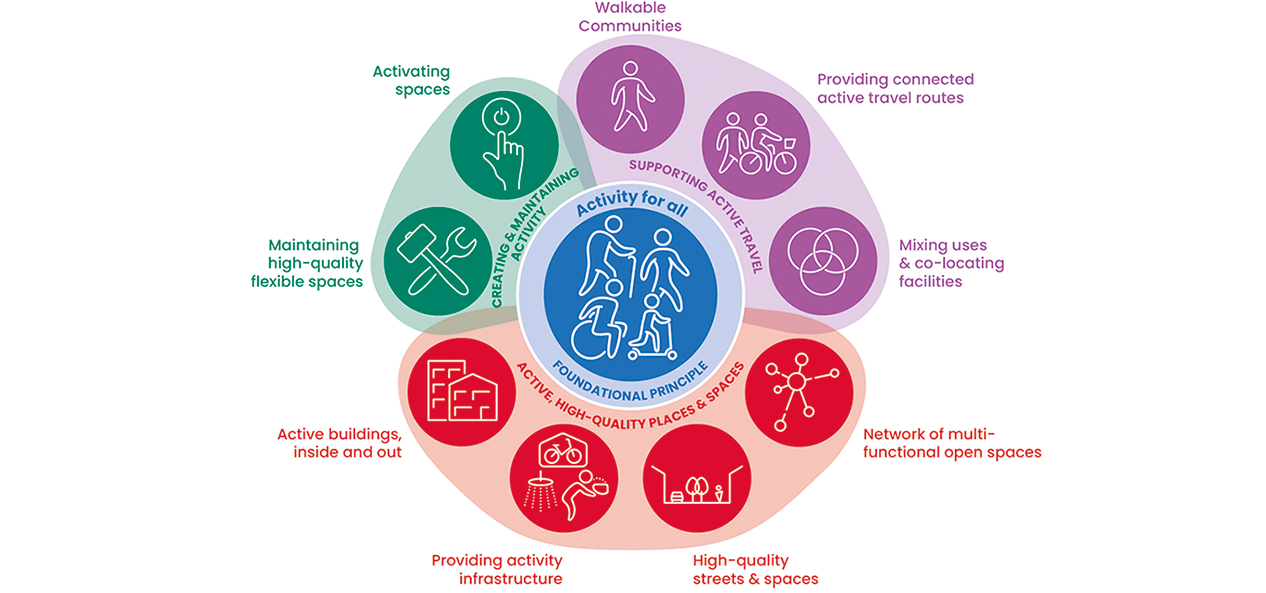
Interestingly, the benefits extend far beyond health. Research consistently shows a strong correlation. Cities that invest in sports infrastructure and culture see tangible economic returns. A study by the World Health Organization notes that for every dollar invested in creating more walkable and cyclable cities, there can be a return of up to 3 dollars in health benefits and reduced pollution. Furthermore, a vibrant sporting environment attracts tourism, boosts local business for fitness retailers and cafes, and enhances overall property values. The sporty city is, fundamentally, a smarter and more resilient city.
## Core Pillars of a Successful Sporty City Strategy
Creating lasting change requires focus on several foundational pillars. These are the non-negotiable elements that support all other initiatives.
INFRASTRUCTURE FOR ALL: This is the physical backbone. It includes safe, connected networks of bike lanes and pedestrian paths. It means multi-use public spaces like parks that host yoga classes, basketball courts, and climbing walls. It also involves ensuring facilities are well-maintained, lit for evening use, and accessible to people with disabilities.
INCLUSIVE POLICY AND PLANNING: Government commitment is crucial. This involves zoning laws that mandate green space, transportation policies that prioritize pedestrians and cyclists over cars, and tax incentives for private developers who include public sports amenities in their projects. A sporty city is often the result of deliberate, long-term urban planning.
COMMUNITY AT THE CENTER: Top-down planning fails without grassroots engagement. Successful sporty cities have strong community sports clubs, neighborhood running groups, and volunteer-led programs. These entities foster a sense of ownership and make physical activity a social endeavor, which dramatically increases adherence.
## Technology and the Digital Sporty City
In the 21st century, a sporty city leverages technology to enhance the physical experience. Digital platforms can connect residents with local events, allow for easy booking of public tennis courts or swimming lanes, and provide virtual challenges that gamify urban exploration. Mobile apps can map running trails, track cycling routes, and even form digital communities.
According to my experience working with municipal teams, the most successful tech integrations are simple and solve a clear pain point. For instance, a real-time availability app for public gyms reduces frustration and increases facility usage. Smart lighting in parks that activates with motion sensors improves safety and energy efficiency. The goal is to use tech as a bridge, not a barrier, to an active lifestyle.
## Comparative Analysis: Two Approaches to Urban Sports Hubs
Not all sports facilities are created equal. Cities often debate between building large, centralized mega-complexes versus developing a distributed network of smaller, neighborhood-focused hubs. The table below outlines the key differences.
| Feature | Centralized Mega-Complex | Distributed Neighborhood Hubs |
|---|---|---|
| Primary Focus | Elite training, major events, tourism | Daily community use, casual recreation |
| Accessibility | Often requires travel; can be costly | Within walking/cycling distance for locals |
| Community Impact | High economic impact, iconic status | High social cohesion, promotes routine activity |
| Cost & Maintenance | Extremely high capital and operational cost | Lower per-unit cost, spread across budget |
| Best For | International branding, hosting championships | Building a daily culture of sport, public health |
The most effective sporty cities typically employ a hybrid model. They maintain a flagship facility for major events while ensuring that 90 percent of residents live within a 10-minute walk of a quality public sports space. A report by the World Economic Forum highlights that this “15-minute city” concept, applied to sports, is critical for equitable health outcomes.
## A 5-Step Action Plan for Your Community
Transforming into a sporty city is a marathon, not a sprint. Here is a practical, step-by-step guide to initiate the process.
STEP 1: CONDUCT A COMMUNITY AUDIT. Map all existing sports facilities, parks, bike lanes, and walking paths. Survey residents to understand their activity habits, desires, and barriers. Identify “activity deserts” where access is poor.
STEP 2: FORM A DIVERSE COALITION. Bring together city officials, urban planners, local sports club leaders, school representatives, public health experts, and passionate citizens. A shared vision is built on diverse perspectives.
STEP 3: SET SPECIFIC, MEASURABLE GOALS. Do not just aim to “be more sporty.” Set targets like “increase bike lane network by 25% in three years” or “achieve a 15% rise in adult sports league participation by 2025.”
STEP 4: PILOT A HIGH-VISIBILITY PROJECT. Start with a manageable win. This could be converting a vacant lot into a pop-up street fitness park, launching a “Open Streets” event where roads are closed to cars for play, or creating a new community running festival.
STEP 5: SECURE FUNDING AND POLITICAL WILL. Use data from your pilot and audit to build a compelling case for investment. Explore public-private partnerships, grants from sports foundations, and community fundraising campaigns. Ensure long-term operational funding is part of the plan.
## Common Pitfalls and How to Avoid Them
WARNING: AVOID THESE SPORTY CITY MISTAKES.
One major pitfall is designing only for the already-active. If your new bike lane is intimidating for beginners or your programs cater only to competitive athletes, you will not move the needle on public health. Always design with inclusivity and safety as the top priorities, especially for women, children, and older adults.
Another common error is neglecting maintenance. A sparkling new skate park that becomes littered and damaged within a year is a symbol of failure, not progress. Allocate a dedicated budget for upkeep from day one. Furthermore, do not underestimate the power of programming. A beautiful, empty park is just a lawn. Partner with local instructors to offer free weekly classes that activate the space and build community habits.
## The Active Citizen’s Role in a Sporty City
While leadership is essential, the character of a sporty city is ultimately shaped by its people. Active citizens are advocates and participants. They join local clubs, volunteer at races, use the facilities consistently, and provide constructive feedback to city councils. They choose to walk or cycle for short trips, setting a visible example. Their collective energy and demand are what make policies sustainable and force positive change. Becoming a sporty city is a partnership between the government and the governed.
The journey to becoming a renowned sporty city is challenging but immensely rewarding. It requires vision, collaboration, and a commitment to building an environment where health and happiness are facilitated by design. By focusing on inclusive infrastructure, smart policy, community power, and strategic technology, any urban area can embark on this transformative path. The finish line is a more vibrant, healthy, and connected community for everyone.
YOUR SPORTY CITY CHECKLIST:
– Audit existing sports assets and community needs.
– Build a cross-sector coalition with a shared vision.
– Set specific, measurable goals for infrastructure and participation.
– Launch a small-scale, high-impact pilot project.
– Plan for long-term funding and maintenance, not just construction.
– Prioritize inclusive design for all ages and abilities.
– Integrate digital tools to enhance access and engagement.
– Celebrate successes and share stories to build momentum.