






# The Ultimate Guide to British Luxury Leather Brands: Heritage, Craftsmanship, and Iconic Pieces
When you think of British luxury, certain images come to mind: Savile Row tailoring, fine china, and timeless leather goods. British luxury leather brands represent a unique intersection of heritage, unparalleled craftsmanship, and understated elegance. Unlike their flashier counterparts, these brands often speak in a quieter, more confident tone, built to last generations rather than just a season. This guide delves deep into the world of these esteemed artisans, exploring what makes them special and how to choose your own piece of British leather legacy.
The global luxury goods market is vast, but British leather holds a distinct and revered position. According to a report by Walpole, the official sector body for British luxury, the UK luxury sector is a powerhouse, with leather goods being a significant contributor. The appeal lies not just in the product but in the story—a narrative woven from centuries of skill, innovation, and a commitment to quality that is genuinely world-class.
## What Defines a British Luxury Leather Brand?
Not every leather brand operating in Britain qualifies as a quintessential British luxury leather brand. Several key pillars set the true icons apart.
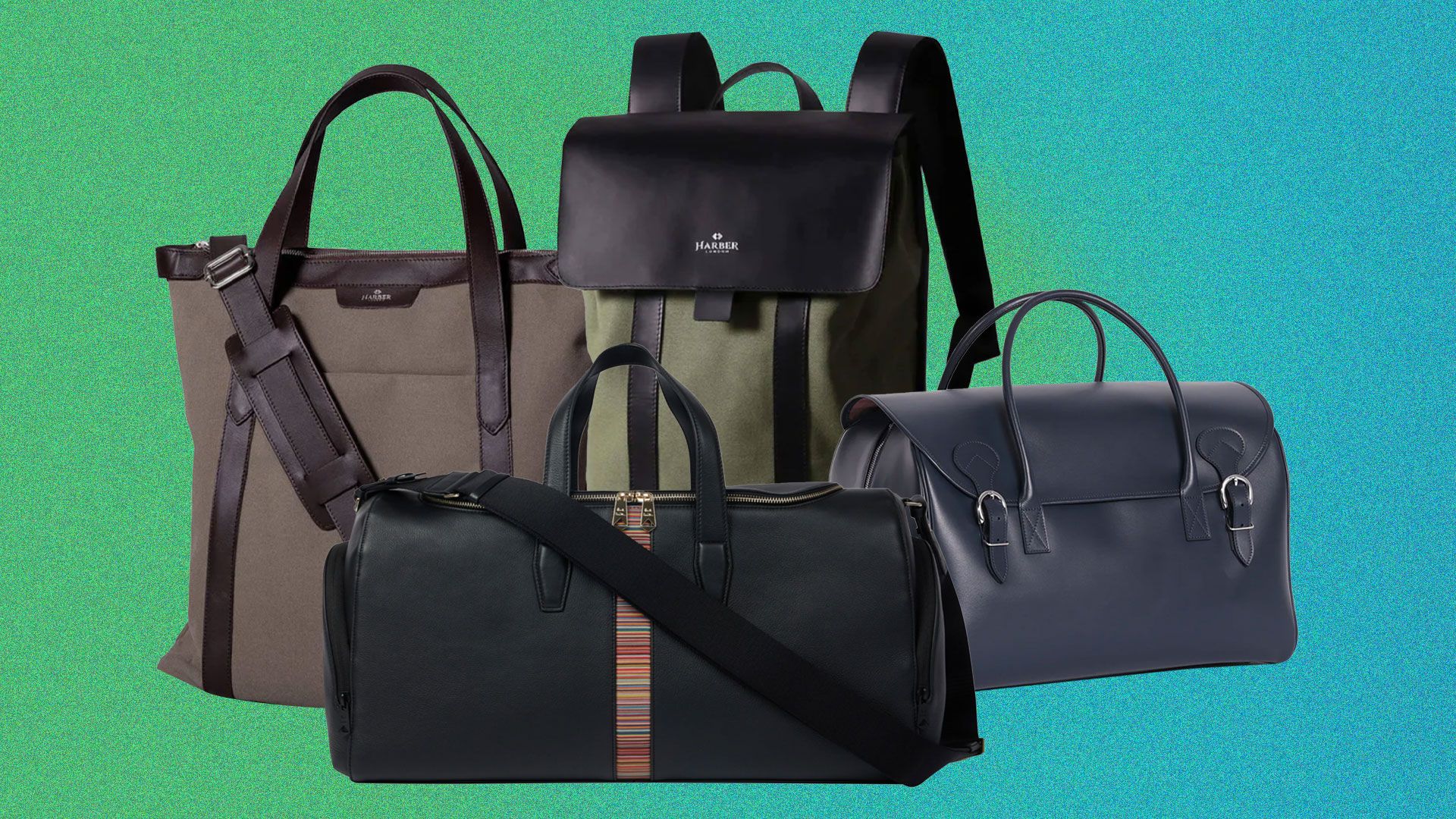
First is HERITAGE AND HISTORY. Many of the most respected brands have histories stretching back over a century. This longevity is not just a marketing point; it represents a continuous refinement of technique, a deep understanding of materials, and a legacy passed down through generations of craftspeople.
Second is EXCEPTIONAL CRAFTSMANSHIP. This is the non-negotiable core. It means vegetable-tanned leathers that develop a unique patina, hand-stitching that is both stronger and more beautiful than machine work, and meticulous attention to every detail, from the lining to the hardware. The human touch is paramount.
Third is TIMELESS DESIGN. British luxury leather goods tend to favor classic, functional silhouettes over fleeting trends. The goal is to create a bag, wallet, or briefcase that looks as elegant and relevant in twenty years as it does today. It is about quiet confidence.
Finally, there is a strong sense of INTEGRITY AND SUSTAINABILITY. Increasingly, leading brands are transparent about their supply chains, using responsibly sourced leathers and implementing practices that ensure longevity and reduce environmental impact. A true luxury item is made to be cherished, not discarded.
## The Icons: A Closer Look at Legendary British Leather Houses
To understand the landscape, we must examine its pillars. Here, we compare two foundational houses that embody the spirit of British luxury leather in slightly different ways.
| Brand | Founded | Signature Style | Iconic Product | Craftsmanship Hallmark |
|---|---|---|---|---|
| Mulberry | 1971 | Rustic yet refined, practical luxury with a countryside charm. | The Bayswater Tote | Uses durable, natural leathers; many styles feature signature postman’s lock and hand-stitched details. |
| Ettinger | 1934 | Ultra-refined, sleek, and quintessentially English elegance. | Card Wallets & Travel Accessories | Exquisite hand-skiving (thinning leather edges), use of rare leathers like Cordovan, and royal warrant holder. |
Beyond these, names like Smythson, known for its feather-light leather and stationery, and Aspinal of London, with its contemporary classicism, are essential to the conversation. Then there is the unparalleled heritage of brands like Swaine Adeney Brigg, umbrella and whip makers since 1750, and Tanner Krolle, founded in 1856, whose trunk-making heritage informs its stunning bags and luggage.
## The Modern Makers: Contemporary British Leather Brands to Know
The story does not end with the historic houses. A new generation of British luxury leather brands is making its mark, often blending traditional techniques with fresh, modern design.
These brands, such as Deakin & Francis (primarily a jeweler but producing exceptional leather accessories), Bridge, and the innovative studio of Bill Amberg, prove that British leather craftsmanship is a living, evolving art. They often operate on a smaller scale, offering bespoke services and highly limited editions, appealing to the connoisseur seeking something unique. According to my experience visiting trade shows and workshops, it is within these smaller ateliers that you often find the most passionate dedication to a single, perfect stitch or the quest for a new, sustainable tanning method.
## How to Choose and Invest in a British Luxury Leather Good
Purchasing from a British luxury leather brand is an investment. Here is a practical, step-by-step guide to ensure your choice brings joy for decades.
STEP 1: IDENTIFY YOUR NEED. Are you seeking an everyday work bag, a formal briefcase, or a special occasion clutch? Function dictates form.
STEP 2: RESEARCH THE BRAND’S ETHOS. Look beyond the product. Understand their history, where and how they manufacture, and their values. Does their story resonate with you?
STEP 3: UNDERSTAND THE LEATHER. Learn the basics. Full-grain and top-grain leather are the most durable and will age beautifully. Vegetable-tanned leather develops a patina; chrome-tanned is more water-resistant. Ask the brand for details.
STEP 4: EXAMINE THE CONSTRUCTION. Look for even stitching, reinforced stress points, high-quality metal zippers and clasps, and neatly finished edges. The lining should be well-fitted and made from a durable material.
STEP 5: CONSIDER THE AFTERCARE. A true luxury brand will offer repair and restoration services. This commitment to the product’s lifecycle is a hallmark of quality and sustainability.
COMMON MISTAKE TO AVOID
A frequent error is equating a high price tag solely with status. With British luxury leather brands, the price is a reflection of material cost, hours of skilled labor, and the overhead of maintaining workshops often based in Britain. You are not just buying a label; you are investing in an object of craftsmanship. Do not be swayed by logos alone. Focus on the tangible qualities of the item itself—the feel, the smell, the sound of a solid clasp. The value is in the details that you, the owner, will appreciate every day.
## Caring for Your Investment: A Practical Maintenance Guide
To ensure your leather good ages gracefully, proper care is essential. It is simpler than you might think.
First, always store your item in its dust bag, stuffed with tissue paper to maintain its shape, and in a cool, dry place away from direct sunlight. For regular cleaning, use a soft, dry cloth to wipe away dust. For deeper conditioning, use a product recommended by the brand itself—never use household cleaners. If the leather gets wet, let it dry naturally away from heat sources. Over time, scratches and a developing patina will add character, telling the story of your use. Embrace it. That is the point of true quality.
FINAL CHECKLIST FOR SELECTING BRITISH LUXURY LEATHER
HERITAGE: Does the brand have a proven history of craftsmanship?
MATERIALS: Is the leather type (full-grain, vegetable-tanned) clearly stated and of high quality?
CONSTRUCTION: Are details like stitching, hardware, and lining executed flawlessly?
DESIGN: Is the style timeless and functional for your needs?
SERVICES: Does the brand offer repair, restoration, or bespoke services?
ETHOS: Do the brand’s values regarding sustainability and production align with your own?
By following this guide, you move beyond a simple purchase. You become a custodian of a craft tradition. You own a piece that is not just British, but a testament to the enduring global appeal of skill, patience, and beauty. In a world of fast fashion, these brands stand as quiet bastions of the opposite principle: buy less, choose well, make it last.