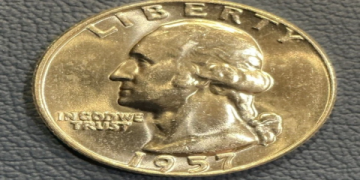






# The 1957 D Quarter Value: Your Ultimate Guide to Pricing, Errors, and Selling
If you have a 1957 D quarter in your possession, you are likely wondering about its worth. The value of this coin is not a single number. It depends on a fascinating mix of factors including its condition, rarity, and the presence of any minting errors. This comprehensive guide will walk you through everything you need to know to accurately determine your 1957 D quarter value, from basic identification to expert selling tips.
First, let us understand the coin itself. The 1957 D quarter is part of the Washington Quarter series, which began in 1932. The D mint mark, located on the reverse side below the wreath, indicates it was struck at the Denver Mint. This was a year of massive production, with over 77 million quarters minted in Denver alone. This high mintage means that in typical circulated condition, the 1957 D quarter is a common coin. However, as we will explore, condition is everything, and certain exceptional pieces can be quite valuable.
## Understanding the Key Factors That Determine Value
The value of your 1957 D quarter hinges on three primary pillars: its grade or condition, its eye appeal, and any unique errors.
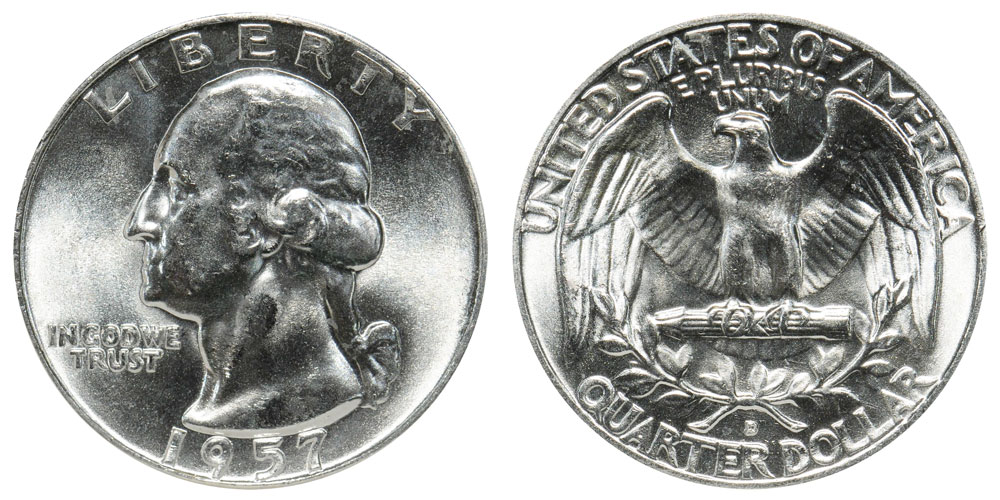
COIN GRADE is the most critical factor. Professional coin grading services use a 70-point scale, but for a quick assessment, you can use these general categories:
POOR to GOOD: Heavily worn, with details like Washington’s hair braid and the eagle’s feathers being mostly smooth. Value is minimal, often just the silver melt value.
VERY GOOD to FINE: Moderate to considerable wear, but major design elements are clear. These are typical pocket change finds.
EXTREMELY FINE to ABOUT UNCIRCULATED: Light wear on the highest points only. The coin has most of its original luster and sharp details. This is where values start to rise noticeably.
MINT STATE: A coin that never entered circulation. It retains its original mint luster and has no wear. The difference between a Mint State 60 and a Mint State 67 can mean a difference of hundreds or thousands of dollars.
EYE APPEAL encompasses factors like toning, luster, and strike quality. A coin with attractive, natural rainbow toning or blazing white luster will always command a premium over a dull or spotted coin of the same technical grade.
## The 1957 D Quarter Value Spectrum: A Price Table
To give you a clear picture, here is a table comparing approximate values for a standard 1957 D quarter across different conditions. Remember, these are retail estimates and actual selling prices can vary. Values are for coins without major errors.
| Coin Condition (Grade) | Description | Approximate Value Range |
|---|---|---|
| Good (G-4) | Heavily worn, date and mint mark clear. | $4 – $6 |
| Very Fine (VF-20) | Moderate wear, all details distinct. | $6 – $9 |
| Extremely Fine (EF-40) | Light wear on high points, much detail remains. | $9 – $15 |
| Mint State 63 (MS-63) | Uncirculated with some bag marks or impairments. | $25 – $40 |
| Mint State 65 (MS-65) | Choice uncirculated with exceptional eye appeal. | $75 – $150+ |
| Mint State 67 (MS-67) | Superb gem quality, nearly flawless. | $500 – $2,000+ |
It is crucial to note that these values are primarily for the coin’s numismatic worth. The 1957 D quarter is made of 90% silver. As of 2023, the silver melt value alone for these coins is approximately $3 to $4, depending on silver spot prices (source: PCGS CoinFacts). This forms a price floor for even the most worn examples.
## Hunting for Hidden Treasure: 1957 D Quarter Errors
This is where the excitement truly begins. Error coins can transform an ordinary quarter into a valuable collectible. The 1957 D mint produced several notable errors that collectors avidly seek.
The most famous is the 1957 D DOUBLE DIE OBVERSE. This error occurred when the die used to strike the coins was misaligned during the hubbing process, creating a distinct doubling of the date and the inscriptions IN GOD WE TRUST and LIBERTY. This is not to be confused with common machine doubling, which shows a flat, shelf-like doubling. A true double die has separation and rounded, secondary images.
Other potential errors include off-center strikes, clipped planchets (where the coin blank was improperly cut), and repunched mint marks (RPMs), where the D mint mark was stamped more than once, creating a overlapping or shadow effect.
Finding one of these errors requires a keen eye and, often, a magnifying glass. According to my experience in coin valuation, the vast majority of suspected double dies turn out to be insignificant machine doubling. True examples are rare and valuable.
## A Step-by-Step Guide to Grading Your 1957 D Quarter
Follow this five-step process to get a reliable estimate of your coin’s condition.
STEP 1: GATHER YOUR TOOLS. You will need a good light source, a 5x to 10x magnifying glass or loupe, and soft cotton gloves to handle the coin by its edges.
STEP 2: EXAMINE THE HIGH POINTS. On the obverse (heads), the highest points are Washington’s hair above the forehead and near the ear, and the cheekbone. On the reverse (tails), check the eagle’s breast feathers and the talons. Wear shows as a flattening or smoothing of these areas, often with a different color than the protected fields.
STEP 3: ASSESS THE LUSTER. Tilt the coin under the light. An uncirculated coin will show a cartwheel effect—a radiating, rolling band of light as you rotate it. A circulated coin will have a more even, duller sheen.
STEP 4: LOOK FOR MARKS AND IMPAIRMENTS. Check for bag marks (small nicks from contact with other coins), scratches, cleaning lines, or environmental damage like corrosion or heavy toning. These significantly impact value.
STEP 5: COMPARE TO PHOTOGRAPHIC STANDARDS. Use online resources from the Professional Coin Grading Service (PCGS) or Numismatic Guaranty Company (NGC) that show example images for each grade. Match your coin to the closest visual standard.
## Common Pitfalls and Mistakes to Avoid
WARNING: ONE OF THE BIGGEST MISTAKES COIN OWNERS MAKE IS ATTEMPTING TO CLEAN A COIN. Cleaning a coin, whether with polish, abrasive materials, or even “gentle” soap, will permanently damage its surface, destroy its natural patina, and drastically reduce its collector value to often below melt value. Numismatists value original surfaces above all else.
Another common error is misidentifying post-mint damage as a valuable error. A dent, gouge, or bend happened after the coin left the mint and adds no value. Do not confuse these with genuine mint-caused errors like clipped planchets or off-center strikes.
Finally, overestimating grade is typical for beginners. What may look “perfect” to the naked eye often reveals many small contact marks under magnification. Be conservative in your assessment. When in doubt, assume a lower grade.
## How to Sell Your 1957 D Quarter for Maximum Value
Once you have a solid idea of your coin’s identity and approximate grade, you can choose a selling method. For a common, circulated 1957 D quarter, selling to a local coin shop or online bullion dealer for its silver value is straightforward. However, for a coin in Mint State condition or one with a verified error, you have better options.
Consider getting it professionally graded and encapsulated by PCGS or NGC. This third-party verification authenticates the coin, confirms its grade, and often increases its marketability and value, especially for higher-end pieces. For such coins, online auction platforms like eBay or Heritage Auctions can connect you with a global audience of serious collectors willing to pay a premium.
In our team’s dealings with classic U.S. coinage, we have found that presentation is key. High-quality, well-lit photographs from multiple angles are essential for any online listing. Accurate and honest descriptions build trust with potential buyers.
## Your 1957 D Quarter Action Checklist
Before you take any action with your 1957 D quarter, complete this practical checklist:
IDENTIFY THE COIN: Confirm it is a 1957 D Washington Quarter.
INSPECT FOR ERRORS: Carefully examine the date, lettering, and mint mark for any doubling or irregularities.
ASSESS ITS CONDITION: Use the step-by-step guide to determine a likely grade range.
CHECK THE SILVER PRICE: Know the current melt value as your baseline.
RESIST THE URGE TO CLEAN: Do not clean, polish, or alter the coin in any way.
RESEARCH COMPARABLE SALES: Look up recently sold prices for coins in similar condition on auction websites.
DECIDE ON A VENUE: Choose where to sell based on the coin’s value (local shop for bullion, auction for key dates/grades).
DOCUMENT EVERYTHING: Take clear photographs and write a detailed description.
By following this guide, you are now equipped to navigate the world of 1957 D quarter values with confidence. Whether you have a common piece of silver history or a rare numismatic treasure, understanding these principles ensures you make informed decisions.