# Sporting Fit: The Ultimate Guide to Finding Your Perfect Athletic Apparel
Finding the right athletic wear is more than a shopping trip. It is a critical step toward achieving your fitness goals. The term SPORTING FIT refers to clothing engineered specifically for athletic performance. This guide will explain what makes sporting fit unique, why it matters, and how you can select the best gear for your body and your sport.
We will explore the science behind performance fabrics, the importance of ergonomic design, and how the right fit can prevent injury. By the end, you will have a clear roadmap to upgrade your workout wardrobe with confidence.
UNDERSTANDING THE SPORTING FIT DIFFERENCE
Sporting fit is not the same as regular clothing fit. Everyday clothes are designed for comfort in static positions. Athletic apparel is designed for dynamic movement. The core principle is biomechanical efficiency. Clothing should move with your body, not against it.
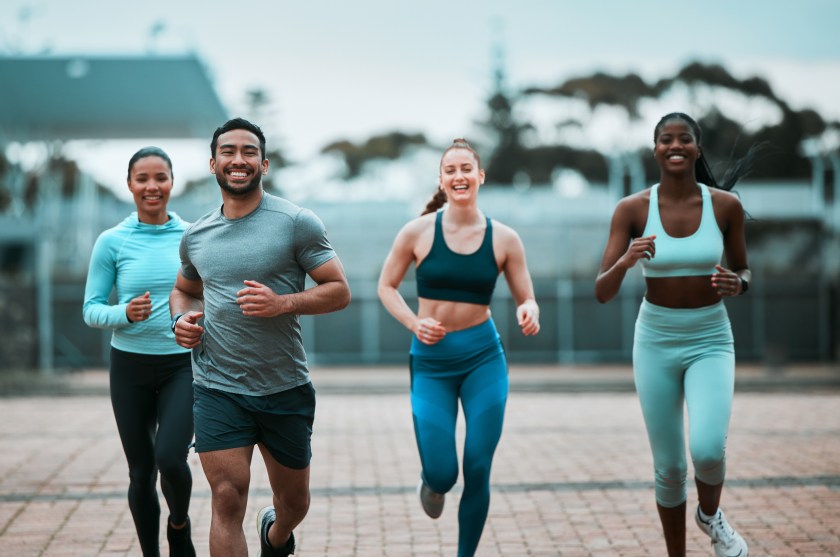
Key characteristics define true sporting fit. Compression garments apply gentle pressure to muscles. This can improve blood flow and reduce muscle oscillation, potentially decreasing fatigue. A study in the Journal of Sports Sciences noted that compression gear might enhance proprioception, your body’s awareness of its position in space. This is crucial for complex movements in sports like tennis or basketball.
Moisture management is another pillar. Technical fabrics like polyester blends or merino wool wick sweat away from your skin to the fabric’s outer layer, where it evaporates. This keeps you dry, regulates body temperature, and prevents chafing. The wrong material, like cotton, absorbs moisture and becomes heavy, cold, and uncomfortable.
ERGONOMIC DESIGN AND MOVEMENT PATTERNS
Different sports demand different fits. A cyclist needs a tight, aerodynamic fit with padding in the saddle area. A yogi requires extreme flexibility and a fit that stays in place during inversions. A runner needs lightweight, breathable fabric with strategic reflectivity.
This is where sport-specific design comes in. Seams are placed to avoid friction points. Panels are cut and sewn in directions that align with primary muscle movements. For example, a baseball jersey will have more room in the shoulders and back for throwing motions. Recognizing your primary movement patterns is the first step to finding your ideal sporting fit.
THE FABRIC TECHNOLOGY LANDSCAPE
The market is filled with technical terms. Here is a simple breakdown of common fabric technologies and their best uses.
| Fabric Technology | Key Properties | Ideal For |
|---|---|---|
| Polyester (Moisture-Wicking) | Durable, quick-drying, retains shape | Running, gym workouts, high-intensity training |
| Nylon (with Spandex/Lycra) | Strong, abrasion-resistant, excellent stretch | Yoga, Pilates, resistance training |
| Merino Wool | Natural temperature regulation, odor-resistant | Hiking, trail running, cold-weather base layers |
| Compression Blends | Muscle support, improved circulation | Recovery, endurance sports, sports with directional changes |
A COMMON MISTAKE TO AVOID
WARNING: DO NOT CHOOSE SIZE BASED SOLELY ON YOUR STREET CLOTHING SIZE.
Athletic apparel sizing is notoriously inconsistent across brands. A medium in one brand can feel like a small in another. Furthermore, the intended fit varies by product line. A “performance fit” is designed to be snug, while a “loose fit” or “training fit” offers more room. Always consult the brand’s specific size chart and, if possible, read reviews about how the item fits. Relying on your usual size is a fast track to an uncomfortable and ineffective purchase.
HOW TO FIND YOUR PERFECT SPORTING FIT: A 5-STEP GUIDE
Follow this actionable guide during your next shopping session, online or in-store.
STEP 1: DEFINE YOUR PRIMARY ACTIVITY.
Are you a runner, a weightlifter, a cyclist, or a cross-training enthusiast? Your sport dictates the non-negotiable features you need, such as breathability zones, pocket placement, or seam construction.
STEP 2: UNDERSTAND YOUR BODY’S MEASUREMENTS.
Use a soft tape measure. For tops, measure your chest at the widest point. For bottoms, measure your waist and hips. Compare these numbers to the brand’s official size chart, not your assumptions.
STEP 3: KNOW YOUR DESIRED FIT PROFILE.
Decide if you need compression, a tailored fit, or a relaxed fit. Compression should feel supportive but not restrict breathing. A tailored fit should feel close to the skin without pinching. A relaxed fit allows for air circulation and layered clothing.
STEP 4: PRIORITIZE FUNCTION OVER FASHION.
While style is important, performance features come first. Look for flatlock seams to prevent chafing, reflective details for safety, and functional pockets that secure items during movement. A less flashy item that performs perfectly is always the better choice.
STEP 5: TEST THE RANGE OF MOTION.
Before purchasing or when trying on, perform movements specific to your sport. Do deep squats, high knees, arm circles, and torso twists. The clothing should move seamlessly with you. There should be no riding up, gaping, or restrictive tightness.
THE PSYCHOLOGICAL EDGE OF THE RIGHT GEAR
This might sound surprising, but the right sporting fit provides a psychological boost. When you feel supported, comfortable, and look the part, your confidence increases. This phenomenon, often called “enclothed cognition,” suggests that the clothes you wear can influence your psychological processes. A study published in the Journal of Experimental Social Psychology found that wearing clothing associated with a particular role can enhance attention to detail related to that task. In our experience, we have seen clients consistently report feeling more focused and prepared when they wear purpose-built athletic apparel. It signals to your brain that it is time to perform.
INVESTING IN QUALITY AND SUSTAINABILITY
High-quality sporting fit apparel is an investment. It lasts longer, maintains its technical properties through countless washes, and ultimately provides better value. Look for brands that offer repair programs or use recycled materials. Sustainable fabrics, such as recycled polyester from plastic bottles, are becoming more common and perform just as well as virgin materials. Choosing durability and sustainability is better for your wallet and the planet in the long run.
YOUR SPORTING FIT CHECKLIST FOR SUCCESS
Before you finalize any purchase, run through this final checklist. Ensure your chosen gear meets these criteria.
– The fabric is technical and designed for moisture-wicking.
– The size matches the brand’s specific chart, not your generic size.
– The seams are flat and located away from high-friction areas.
– The fit allows for a full, unrestricted range of motion for your sport.
– The garment stays securely in place during dynamic movement tests.
– It includes necessary functional features like pockets, reflectivity, or ventilation.
– You feel physically comfortable and mentally confident wearing it.
Finding your ideal sporting fit transforms your exercise experience. It turns a chore into a pleasure and can be the difference between hitting a personal record and struggling through a workout. Take the time to apply these principles. Your body, and your performance, will thank you.
(来源: Journal of Sports Sciences, “Compression garments and exercise: garment considerations, physiology and performance”)
(来源: Journal of Experimental Social Psychology, “The cognitive consequences of formal clothing”)