






# Is Tennis an Expensive Sport? The Ultimate Cost Breakdown and 5 Ways to Save
The question IS TENNIS AN EXPENSIVE SPORT is one that many aspiring players and parents ask. The short answer is it can be, but it does not have to be. The cost of tennis spans a wide spectrum, from affordable public court recreation to the high stakes of competitive junior tours. This deep dive will dissect every expense, provide real data, and give you a practical roadmap to manage costs effectively.
Understanding the true price of tennis requires looking beyond just a racket and balls. We must consider equipment, court fees, coaching, apparel, and the often-overlooked tournament and travel costs for serious players. The perception of tennis as a country club sport persists for a reason, but the landscape is changing.
## Breaking Down the Core Costs of Playing Tennis
Lets start with the foundational expenses. These are the non-negotiable costs for anyone who wants to step onto a court.
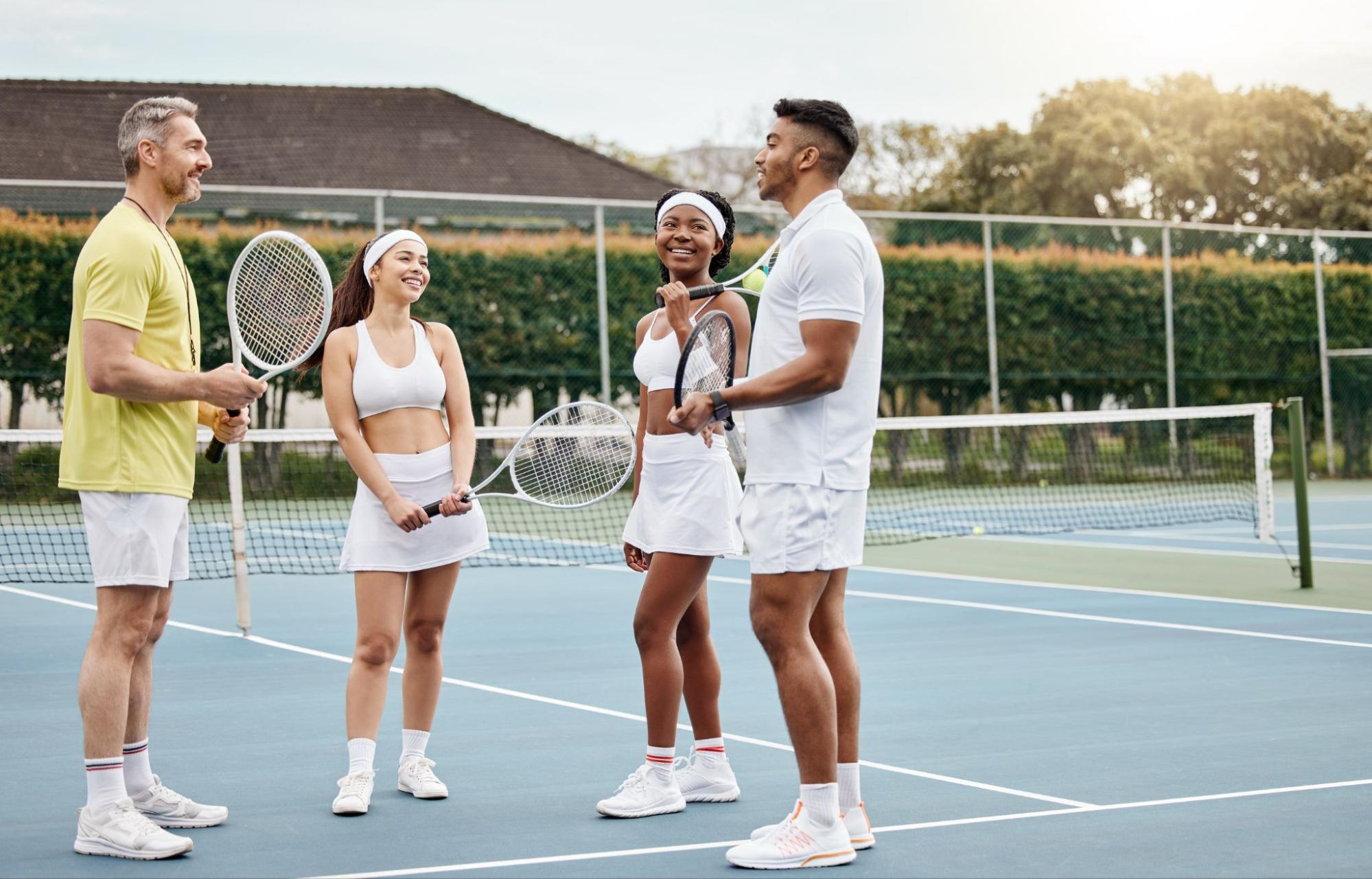
EQUIPMENT is your primary investment. A decent beginner racket now costs between $50 and $150. Tennis shoes designed for lateral movement are crucial and range from $60 to $120. A can of three balls costs about $3 to $5, and you will go through them regularly. Overgrips, dampeners, and a bag add to the initial outlay.
COURT FEES represent an ongoing variable. Public parks often offer free or very low-cost courts, but availability can be limited. Private clubs and indoor facilities charge hourly rates, which can soar from $30 to over $100 per hour in major metropolitan areas, especially during peak winter months. Membership at a private club involves initiation fees and monthly dues, easily running into thousands annually.
## The Hidden Investment: Coaching and Development
For players moving beyond casual play, coaching becomes a significant, and often the largest, line item. Group lessons might cost $20 to $40 per hour per person, while private one-on-one coaching with a certified professional typically ranges from $60 to $150 per hour. Competitive juniors often have multiple weekly private sessions.
This is where the question IS TENNIS A COSTLY SPORT gets a definitive yes for many families. A serious junior player with two private lessons a week, plus group drills, can easily incur a monthly coaching bill of $800 to $1,500. According to a 2023 report by the United States Tennis Association, the average annual cost for a junior player in a high-performance program can exceed $15,000 when factoring in coaching, fitness, and tournament travel (来源: USTA Financial Impact Study).
## Tournament and Travel: The Elite Expense Tier
The costs escalate dramatically for players entering the competitive tournament circuit. Entry fees for local events might be $50, but national-level tournaments can charge hundreds. The real expense is travel: flights, hotels, rental cars, and meals for the player and often a parent or coach.
A single weekend tournament in another state can cost over $1,000. For families with children aiming for college scholarships or professional careers, annual travel budgets can rival a college tuition. This tier definitively answers IS TENNIS AN EXPENSIVE HOBBY for those pursuing it at the highest levels.
## How Tennis Costs Compare to Other Popular Sports
To provide context, here is a comparison of average annual costs for a moderately serious youth participant in different sports. This table illustrates where tennis falls on the spectrum.
| Sport | Equipment & Apparel (Annual) | League/Club Fees | Private Coaching (Hourly Rate) | Travel Tournament Intensity |
|---|---|---|---|---|
| Youth Soccer | $200 – $400 | $500 – $1,500 | $40 – $80 | Moderate (Regional) |
| Basketball | $150 – $300 | $300 – $800 | $50 – $100 | Low to Moderate |
| Competitive Swimming | $100 – $250 | $1,000 – $3,000 | $60 – $120 | High (National) | Tennis | $300 – $600 | $500 – $5,000+ | $60 – $150 | Very High (National) |
As the table shows, tennis equipment costs are mid-range, but club access and coaching can push it toward the higher end, especially when significant travel is involved.
## A 5-Step Action Plan to Make Tennis More Affordable
You do not need a trust fund to enjoy this lifelong sport. Follow this actionable guide to control your spending.
STEP 1: MASTER THE PUBLIC COURT SYSTEM. Your first mission is to locate all free public courts in your area. Use municipal websites and apps. Schedule play during off-peak hours for guaranteed, free access. This eliminates the single biggest recurring cost.
STEP 2: ADOPT A SMART GEAR STRATEGY. Do not buy the latest pro racket. Purchase last years model, which often has a minimal performance difference at a 30-50% discount. Shop for shoes during major sales. Buy tennis balls in bulk online. Consider the secondary market for lightly used rackets from reputable sellers.
STEP 3: OPTIMIZE YOUR COACHING DOLLAR. Replace one private lesson per week with a high-quality group clinic or semi-private session. This cuts the hourly cost dramatically while still providing technical instruction. Use online video analysis tools for self-review between coached sessions.
STEP 4: FORM A RELIABLE PLAYER NETWORK. Organize a regular group of 3-4 players at a similar level. Split the cost of a court reservation and even a rotating coach. This builds community, ensures you always have someone to play with, and divides expenses.
STEP 5: BE STRATEGIC ABOUT COMPETITION. For juniors, focus on local and sectional tournaments to minimize travel costs. Prioritize events that offer the most ranking points or exposure for your investment. For adults, seek out USTA adult leagues or city tournaments, which have modest entry fees and localized play.
## Common Misconceptions and Costly Mistakes
A major pitfall is equating expensive gear with better performance. A $250 racket will not fix flawed technique. Investing in proper coaching before premium equipment is almost always the wiser path.
Another mistake is committing to an expensive private club membership before utilizing its benefits. Many clubs offer trial passes or summer packages. Test the community, court availability, and coaching staff before signing a long-term contract. Do not assume the most expensive option is the best.
Furthermore, families often underestimate the cumulative cost of travel. We have seen many parents drain resources on national tournaments for young children who are not yet developmentally ready. A focused, local development plan often yields better long-term results for a fraction of the cost.
## The Long-Term Value Perspective
Despite the costs, tennis offers exceptional long-term value. It is a sport you can play from childhood into your 80s. The health benefits, social network, and life lessons in discipline and resilience are immense. Compared to sports with very short competitive lifespans, tennis is an investment in a lifetime of activity.
From my experience working with hundreds of families, the key is intentionality. Define your goals clearly. Is it fitness, social play, or a college scholarship? Your budget should align directly with that goal. A recreational player can enjoy the sport for well under $1,000 a year, while a competitive path requires strategic and significant investment.
The data shows participation is growing, in part due to more accessible public programs. The USTA reports that grassroots initiatives have helped increase youth participation in diverse communities by over 15% in the last five years (来源: USTA Participation Report), proving the sport is working to become more inclusive.
So, is tennis a pricey sport? It can be, but with the right approach, it is absolutely accessible. The expense is often a choice, not a mandate.
## Your Practical Tennis Budget Checklist
To start your tennis journey on a solid financial footing, use this checklist.
IDENTIFY ALL FREE PUBLIC COURT OPTIONS IN YOUR AREA.
SET A FIRM MONTHLY BUDGET FOR COURT FEES AND COACHING.
PURCHASE LAST SEASONS MODEL OF RACKETS AND SHOES.
PRIORITIZE GROUP OR SEMI-PRIVATE LESSONS OVER SOLELY PRIVATE ONES.
BUILD A GROUP OF 2-3 REGULAR PARTNERS TO SPLIT COSTS.
EXPLORE COMMUNITY TENNIS ASSOCIATIONS AND USTA LEAGUES.
FOR JUNIORS, CREATE A TOURNAMENT PLAN FOCUSED ON LOCAL EVENTS FIRST.
REINVEST SAVINGS INTO QUALITY COACHING AT KEY DEVELOPMENTAL MOMENTS.