





# How Do You Letter in a Sport? The Ultimate Guide to Earning Your Varsity Jacket
The question of how do you letter in a sport is a rite of passage for high school and collegiate athletes. That coveted varsity letter is more than just a patch of cloth; it is a symbol of dedication, skill, and achievement. However, the path to earning one is often shrouded in mystery and varies wildly between schools, sports, and teams. This guide will demystify the entire process, providing a clear roadmap from tryouts to the award ceremony.
Understanding the core concept is crucial. Lettering in a sport means you have met a specific set of criteria established by your school’s athletic department to receive a varsity letter award, typically represented by a cloth letter (like your school’s initial) for a jacket. It is the highest recognition for a student-athlete at that level.
## The Foundation: Understanding Varsity Letter Requirements
Before you can answer how do you letter in a sport, you must understand the governing bodies and their typical rules. Most high schools in the United States follow guidelines influenced by their state high school athletic associations. These associations set broad standards, but the final, detailed criteria are almost always determined at the individual school level.

This means there is no single, universal answer. The requirements to letter in football at one school may be completely different from those at a rival school just ten miles away. However, common themes exist across most programs. The decision is usually not based on a single game or statistic but on a season-long evaluation of contribution, attitude, and meeting predefined benchmarks.
## Common Pathways to Earning Your Letter
While specific rules differ, athletes typically earn their letter through one or more of the following avenues. Think of these as the most frequent answers to the question of how do you letter in a sport.
PLAYING TIME AND PARTICIPATION: This is the most quantifiable method. Many coaches set a minimum threshold for varsity-level participation. For example, a basketball player might need to play in a certain percentage of total quarters, or a football player might need to appear in a set number of varsity games. This objective measure rewards athletes who contribute directly on the field or court.
COACH’S DISCRETION AND TEAM VALUE: Often, the criteria are subjective. A coach may award a letter to a player who did not meet the strict playing time minimum but whose value to the team was undeniable. This includes practice players who push the starters every day, team captains who provide exceptional leadership, or athletes who show tremendous improvement and dedication. According to a survey by the National Federation of State High School Associations, over 70% of coaches consider factors beyond pure statistics when making lettering decisions (source: NFHS Coaching Survey).
SPECIAL TEAMS OR EVENTS: In some sports, specific achievements can automatically qualify an athlete. A swimmer who qualifies for the state championship meet, a track athlete who scores points at a major invitational, or a wrestler who achieves a certain win total might earn their letter through this performance-based trigger.
SEASON-LONG COMMITMENT: Simply completing the entire season as a member of the varsity squad, attending all practices and meetings, and adhering to team rules is sometimes the baseline requirement. This rewards consistency and commitment over raw talent alone.
## A Coach’s Perspective: What Really Matters
From the other side of the clipboard, coaches look for more than just athletic ability. When deciding how do you letter in a sport, they evaluate the whole athlete. Key non-statistical factors include:
ATTITUDE AND COACHABILITY: Are you receptive to feedback? Do you maintain a positive demeanor during tough practices?
WORK ETHIC: Do you give 100 percent effort consistently, even in drills that are not glamorous?
TEAM FIRST MENTALITY: Do you support teammates and prioritize team success over individual glory?
ACADEMIC ELIGIBILITY: Maintaining the required GPA is often a non-negotiable prerequisite for even being eligible to letter.
In my experience working with athletic departments, the athletes who letter consistently are those who master these intangible qualities. They are the ones coaches can rely on, both in games and in building a positive team culture.
## How to Letter in a Sport: Your 5-Step Action Plan
If you are aiming for that letter, do not leave it to chance. Follow this proactive plan.
STEP 1: RESEARCH THE OFFICIAL POLICY. Your first stop should be the school’s athletic office or handbook. Look for a written policy on lettering requirements. If one does not exist, ask the head coach of your sport at the very beginning of the season.
STEP 2: INITIATE A CONVERSATION WITH YOUR COACH. Early in the season, have a respectful meeting. Ask: “Coach, I am fully committed to this team and my goal is to earn a varsity letter this year. Can you clarify the specific criteria so I know exactly what to focus on?”
STEP 3: DOCUMENT AND TRACK YOUR CONTRIBUTIONS. If playing time is a factor, keep a simple log. Note games played, minutes, and key contributions. This is not for boasting, but for having a factual record if needed.
STEP 4: EXCEED EXPECTATIONS IN EVERY AREA. Go beyond the minimum. Be the first to arrive and last to leave. Volunteer for extra drills. Study game film. Become the ultimate teammate.
STEP 5: CONDUCT A SEASON-END REVIEW. If the season ends and you are uncertain about your status, schedule another brief meeting with your coach. Thank them for the season and express your continued commitment. You can gently inquire about the lettering decision timeline.
## Navigating the System: Key Differences Between Sports
The process of how do you letter in a sport is not uniform across all activities. A sport with a large roster like football will have different benchmarks than an individual sport like cross-country. The table below highlights common differences.
| Sport Type | Common Lettering Criteria Focus | Typical Challenges |
|---|---|---|
| Team Sports (e.g., Football, Basketball, Soccer) | Game participation (e.g., play in 50% of varsity quarters), coach’s evaluation of role and contribution. | Large rosters mean intense competition for limited playing time. Special teams play can be a key pathway. |
| Individual/Score-Based Sports (e.g., Swimming, Track, Wrestling) | Achieving a qualifying time, distance, or score; placing in meets; scoring team points at varsity events. | Criteria are often more objective and performance-based. The benchmark is beating a time or score, not a coach’s subjective choice. |
| Limited-Substitution Sports (e.g., Volleyball, Baseball/Softball) | Being on the varsity roster for the entire season, appearing in a designated number of games, or specific statistical achievements. | With fewer substitutions, earning playing time is extremely difficult. Value in practice and team support becomes paramount. |
## WARNING: Common Lettering Mistakes to Avoid
Many talented athletes miss out on their letter due to preventable errors. Avoid these pitfalls at all costs.
ASSUMING YOU KNOW THE RULES: Never assume the criteria. What worked for a senior last year may have changed.
FOCUSING ONLY ON STATS: Obsessing over points or playing time can make you a selfish teammate, which coaches notice and penalize.
COMPLAINING OR HAVING A NEGATIVE ATTITUDE: This is the fastest way to get on a coach’s bad side. Coaches award letters to athletes who elevate the team environment, not poison it.
WAITING UNTIL THE LAST MINUTE: Do not ask about lettering in the final week of the season. Set your intentions and seek clarity from day one.
QUITTING IF THINGS GET HARD: Perseverance is a trait every coach respects. Sticking with the team through adversity often weighs heavily in discretionary decisions.
## The Final Step: Receiving and Displaying Your Award
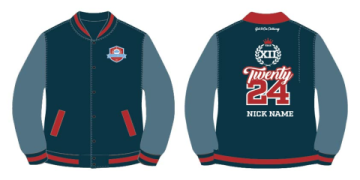
Once you have earned it, understand the tradition. The award is usually presented at a season-end banquet or ceremony. You will typically receive a certificate and the actual cloth letter. The custom is to sew it onto a varsity jacket, often a wool jacket with leather sleeves. Some schools have specific rules about how and where to place the letter. Additionally, you may receive a “pin” or “chevron” for each subsequent year you letter in that sport, which are attached around the letter.
The journey of how do you letter in a sport is challenging by design. It is meant to separate the committed from the casual. By understanding the system, exceeding expectations, and being the ultimate teammate, you dramatically increase your chances of earning this timeless symbol of athletic achievement.
YOUR VARSITY LETTER ACTION CHECKLIST
– Obtain the official lettering policy from the athletic department or coach.
– Schedule a pre-season meeting with your head coach to discuss goals and criteria.
– Maintain academic eligibility throughout the entire season.
– Document your participation and contributions objectively.
– Exemplify a positive attitude, strong work ethic, and team-first mentality daily.
– Fulfill all team obligations, including practices, meetings, and off-season workouts.
– Seek feedback mid-season to ensure you are on track.
– Express gratitude to coaches and teammates at season’s end, regardless of the outcome.