





# Can You Drink Tap Water in Jamaica? The Ultimate Safety Guide for 2024
The question, “Can you drink tap water in Jamaica?” is one of the most common and important queries for travelers planning a trip to this beautiful Caribbean island. The short answer is: it depends. While Jamaica has a generally reliable public water supply system in urban and tourist areas, the definitive answer for visitors is more nuanced and requires understanding local infrastructure, health considerations, and practical alternatives.
This comprehensive guide dives deep into the safety, quality, and practicalities of Jamaica’s tap water. We will explore the official stance, regional variations, health data, and provide you with a clear, actionable plan to stay hydrated and healthy during your vacation.
## Understanding Jamaica’s Water Supply System
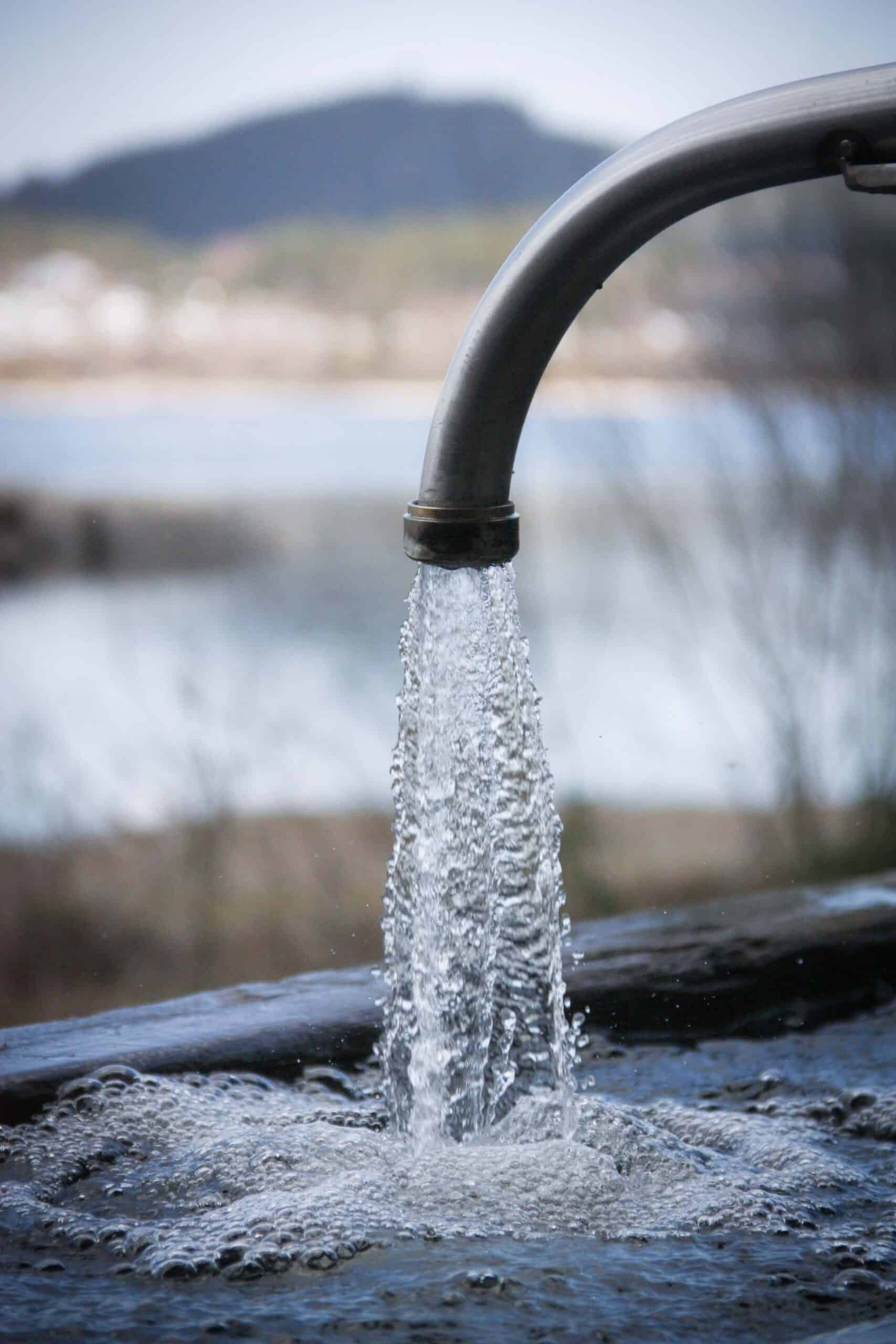
Jamaica’s tap water is managed by the National Water Commission (NWC), which supplies treated water to approximately 90% of the island’s urban population. The water undergoes standard treatment processes including coagulation, sedimentation, filtration, and disinfection, primarily with chlorine, to meet national standards. The NWC states that its water is potable and safe for drinking in the areas it serves.
However, the key factor is location. Water quality and infrastructure reliability can vary significantly between:
– Major tourist resorts and urban centers (e.g., Montego Bay, Ocho Rios, Negril, Kingston)
– Rural parishes and mountainous inland communities
– Specific hotels and all-inclusive resorts
In well-maintained resorts and upscale hotels, the water is typically treated further on-site and is generally considered safe for drinking, brushing teeth, and showering. Many such establishments proudly advertise their water safety. Conversely, in remote areas, water systems may be less consistent, and the piping infrastructure older, potentially increasing the risk of contamination after treatment.
## The Health Perspective and Official Data
From a health standpoint, the primary concern for travelers is not chronic contamination but acute gastrointestinal illness, often referred to as “traveler’s diarrhea.” This can be caused by bacteria, viruses, or parasites that a visitor’s system is not accustomed to, even in water that meets local microbiological standards.
According to a 2022 report by the Pan American Health Organization, Jamaica has made significant strides in water and sanitation coverage. The report notes that 93% of the population uses at least basic drinking water services. However, it also highlights ongoing challenges with consistent service quality and the resilience of systems to climate events like droughts and floods, which can intermittently affect supply and safety.
Based on my experience working with travel health advisories, the most common recommendation for short-term visitors to tropical destinations remains caution. Local residents have developed immunity to microorganisms present in their environment, but a traveler’s lack of exposure can lead to an unpleasant reaction, potentially derailing a holiday.
## Regional Breakdown: Where Tap Water is Safer
Your location in Jamaica greatly influences the answer to “can you drink tap water in Jamaica?” Here is a practical breakdown:
RESORT AREAS: In major tourist zones like Montego Bay’s “Hip Strip,” Ocho Rios’s resort corridor, and the Seven Mile Beach area of Negril, the municipal supply is robust. High-end all-inclusive resorts almost universally treat their own water with advanced filtration and UV systems. It is common for these hotels to explicitly tell guests their tap water is safe.
KINGSTON: As the capital, Kingston has a modern water treatment system. The tap water in most parts of the city is treated and considered potable by local standards.
RURAL AREAS AND SMALL TOWNS: In parishes like Portland, St. Elizabeth, or deep rural St. Ann, caution is advised. Water systems may be more vulnerable to runoff, and infrastructure can be older. The consensus here leans towards avoiding tap water for drinking.
## Bottled Water vs. Tap Water: A Clear Comparison
To help you make an informed choice, here is a comparison of your primary hydration options in Jamaica.
| Feature | Bottled Water | Tap Water (in Urban/Resort Areas) |
|---|---|---|
| CONVENIENCE | High. Widely available at shops, hotels, and roadside stalls. | Very High. Directly available from any faucet. |
| COST | Ongoing expense. Can add up over a long stay. | Effectively free for the end-user. |
| ENVIRONMENTAL IMPACT | High. Contributes to plastic waste. | Very Low. Uses reusable containers. |
| PERCEIVED SAFETY | Highest. Sealed and branded. | Variable. Depends on trust in local system and location. |
| RECOMMENDATION FOR VISITORS | The default, safest choice for all travelers. | Generally safe for brushing teeth; drinking is situation-dependent. |
## A 5-Step Action Plan for Safe Drinking Water in Jamaica
Follow this simple guide to ensure you stay perfectly hydrated without any health concerns.
STEP 1: ASSESS YOUR ACCOMMODATION. Upon arrival, ask the front desk or management: “Is the tap water here safe for drinking and brushing teeth?” Reputable establishments will give you a straight answer.
STEP 2: WHEN IN DOUBT, CHOOSE BOTTLED. For your first few days, or if you have a sensitive stomach, stick to sealed bottled water. This is the most conservative and recommended approach.
STEP 3: USE TAP WATER WISELY. Even if you avoid drinking it, tap water in urban and resort areas is almost always safe for showering, brushing your teeth (if you don’t swallow), and washing fruits and vegetables that you will later peel.
STEP 4: PURIFY IF ADVENTURING. If you are going on a long hike, visiting remote communities, or staying in rural villas, carry a portable water purification solution. This can be purification tablets, a SteriPEN UV purifier, or a high-quality filter bottle.
STEP 5: BE MINDFUL OF ICE AND PRODUCE. A common follow-up question is about ice in drinks. In established restaurants, bars, and resorts, ice is typically made from purified water and is safe. For street vendors, it is safer to skip ice. With fresh produce, the rule is “peel it, cook it, or forget it.”
## Important Warnings and Common Misconceptions
ATTENTION: A crucial point many travelers miss is that the greatest risk often isn’t the water itself, but the sudden change in mineral content and benign local microbes. Your body may react to this change, causing mild discomfort, even if the water is technically safe. This is why a cautious approach is best.
Furthermore, do not assume all “filtered” water is equal. A simple carbon filter in a vacation rental pitcher does not remove all pathogens. Only filters certified for microbiological purification (like those with an absolute 1-micron or smaller pore size) are reliable for untreated tap water.
Another common mistake is using tap water to rinse your toothbrush after brushing. If you are being cautious with drinking water, use bottled water for this final rinse as well.
## Final Checklist for Jamaica’s Water Safety
To summarize, here is your actionable checklist for navigating the question, “can you drink tap water in Jamaica?”
– PACK OR PURCHASE A REUSABLE WATER BOTTLE to refill with safe water.
– CONFIRM WATER SAFETY POLICY directly with your hotel or host upon arrival.
– DEFAULT TO SEALED BOTTLED WATER for drinking, especially in the first 48 hours and outside major resorts.
– FEEL CONFIDENT USING TAP WATER for brushing teeth and showering in cities and resorts.
– INQUIRE ABOUT ICE at casual street stalls; it is usually safe in established restaurants.
– CARRY PURIFICATION TABLES OR A FILTER BOTTLE for rural excursions or emergencies.
– STAY HYDRATED consistently, as the Caribbean heat demands it, and dehydration is a bigger immediate risk than water quality in controlled environments.
By understanding the context, asking the right questions, and taking simple precautions, you can enjoy Jamaica’s incredible scenery, culture, and cuisine without a second thought about your water intake. The key is informed caution, not fear, allowing you to focus on creating wonderful memories.