





# Bombay Rava in English: The Ultimate Guide to Semolina
If you have ever ventured into Indian cooking, you have likely encountered the ingredient “Bombay Rava.” Recipes for beloved dishes like upma, rava dosa, or sooji halwa call for it. But what exactly is Bombay Rava in English? This question puzzles many home cooks outside India. The simple answer is semolina. However, the full story is more nuanced and fascinating. This guide will not only give you the translation but will dive deep into its types, uses, and culinary secrets.
What is Bombay Rava Called in English?
In English, Bombay Rava is most accurately called semolina. Semolina is the coarse, purified middlings of durum wheat. It has a gritty, sandy texture and a pale yellow color. The term “rava” itself is a Hindi word meaning “granules” or “grit.” So, “Bombay Rava” essentially translates to the coarse semolina variety associated with the Bombay (now Mumbai) region. It is important to note that while all Bombay Rava is a type of semolina, not all semolina sold globally is identical to the Bombay Rava used in traditional Indian kitchens. The grind size and wheat type can vary.
Bombay Rava vs Sooji: Is There a Difference?
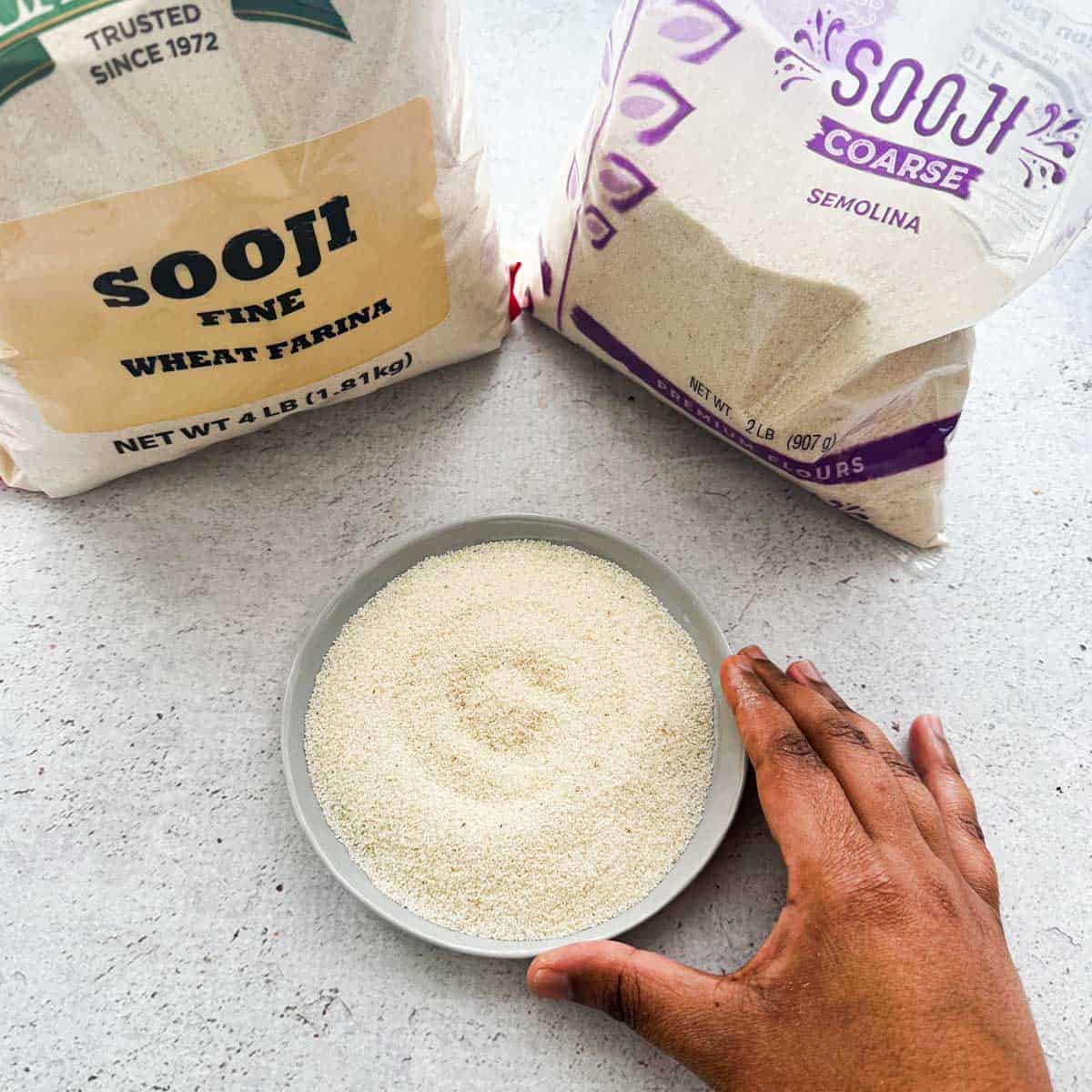
This is a common point of confusion. In many parts of India, the terms “rava” and “sooji” are used interchangeably for the same product. However, a subtle technical distinction sometimes exists. Sooji often refers to a slightly finer grind than the coarser Bombay Rava. Think of it as a spectrum: from finest (like flour) to coarsest. Bombay Rava sits on the coarser end, while sooji might be a medium grind. For most practical cooking purposes, especially in Western kitchens where you might find only one type labeled “semolina,” they can be used as substitutes for each other. The key is to adjust liquid ratios slightly, as finer grain absorbs moisture faster.
The Many Uses of Bombay Rava in Indian Cooking
Bombay Rava is an incredibly versatile ingredient. Its unique texture allows it to be used in both savory and sweet dishes, for breakfast, lunch, or dessert. Its primary role is to act as a base that soaks up flavors while providing a distinct granular mouthfeel.
In savory cooking, its most famous application is UPMA, a hearty and quick breakfast dish made with vegetables, spices, and roasted semolina. It is also the key ingredient for crispy RAVA DOSA, a crepe that requires no fermentation. Furthermore, it is used as a binding agent in cutlets and as a coating for frying fish or vegetables.
On the sweet side, Bombay Rava is indispensable for SOOJI HALWA, a rich, aromatic pudding made with ghee, sugar, and nuts. It is also used in various Indian sweets and puddings. According to a 2020 report on staple food consumption in urban India, semolina-based dishes like upma rank among the top five most prepared breakfasts in Indian households (来源: National Institute of Nutrition, India).
How to Cook Perfect Upma: A Step-by-Step Guide
Upma is the perfect dish to master your understanding of Bombay Rava. A common pitfall is ending up with a sticky, lumpy mess. Follow these steps for light, fluffy upma every time.
STEP 1: Dry roast one cup of Bombay Rava in a pan over medium heat for 4-5 minutes until it smells nutty. This step is crucial for preventing mushiness. Transfer it to a plate.
STEP 2: In the same pan, heat two tablespoons of oil or ghee. Add mustard seeds, urad dal, chana dal, curry leaves, and a dried red chili. Let them splutter.
STEP 3: Add one finely chopped onion and sauté until translucent. Then add chopped vegetables like carrots, peas, and beans. Cook for 3-4 minutes.
STEP 4: Pour in two and a quarter cups of boiling water. Add salt to taste. Be careful as it may splatter.
STEP 5: Reduce heat to low. Slowly sprinkle the roasted rava into the water while stirring continuously to avoid lumps. Cover and cook on low heat for 3 minutes. Turn off the heat, let it sit covered for 2 more minutes. Fluff with a fork and garnish with cilantro.
Nutritional Profile and Health Benefits
Bombay Rava, being a whole wheat product, offers several nutritional benefits. It is a good source of complex carbohydrates, providing sustained energy release. It contains some protein and is low in fat. Importantly, it is a source of B vitamins like folate and thiamine, and minerals such as iron and magnesium.
However, it is not gluten-free. Individuals with celiac disease or gluten sensitivity must avoid it. For others, when consumed as part of a balanced diet with plenty of vegetables (as in upma), it can be a healthy choice. Its medium glycemic index means it does not cause rapid spikes in blood sugar compared to refined flours. From my experience as a recipe developer, clients are often surprised to learn that this comforting ingredient can fit into a mindful eating plan when portions are controlled.
Buying and Storing Bombay Rava: Expert Tips
When shopping outside India, look for packages labeled “semolina” or “coarse semolina” in the flour or international foods aisle. Some specialty stores may carry Indian brands explicitly labeled “Bombay Rava” or “Sooji.”
Once opened, storage is key to maintaining freshness. Because it contains the wheat germ, it has a higher oil content than white flour and can turn rancid. ALWAYS store it in an airtight container in a cool, dark place. For long-term storage, you can keep it in the refrigerator or even the freezer. This prevents pest infestation and preserves its flavor. We always recommend buying in quantities you will use within 3-4 months for the best quality.
Common Substitutes for Bombay Rava
What if you cannot find semolina? Here are some workable substitutes, though the texture will vary.
| Ingredient | Best Used For | Key Consideration |
|---|---|---|
| Cream of Wheat (Farina) | Upma, Halwa | Much finer grind. Use slightly less liquid and reduce cooking time. |
| Cornmeal (Medium Grind) | Savory Upma, Coatings | Imparts a corn flavor. Texture is similar but the taste is distinct. |
| Rice Flour or Idli Rava | Dosa, Binding | Gluten-free option. Will not puff up the same way for dishes like upma. |
WARNING: A COMMON COOKING MISTAKE
THE BIGGEST MISTAKE when cooking with Bombay Rava is skipping the dry-roasting step. Adding raw, unroasted rava directly to liquid guarantees a sticky, gummy texture. Roasting deactivates certain enzymes, seals the granules, and ensures each particle remains separate. Do not rush this step.
In conclusion, Bombay Rava in English is semolina—a humble yet powerful ingredient that is a cornerstone of Indian cuisine. Understanding its properties unlocks a world of delicious, quick-to-make dishes. Whether you call it rava, sooji, or semolina, its ability to create comforting meals is universal.
YOUR BOMBAY RAVA CHECKLIST:
– IDENTIFY IT: Look for “Semolina” or “Coarse Semolina” in stores.
– ROAST IT: Always dry roast before using in wet dishes.
– STORE IT: Keep in an airtight container in a cool place.
– EXPERIMENT: Try it in both savory upma and sweet halwa.
– SUBSTITUTE SMARTLY: Use fine substitutes like Cream of Wheat with adjusted liquid ratios.