





# The Ultimate Guide to Entertainment Weekly Magazine Covers: History, Secrets, and Collecting
For over three decades, the Entertainment Weekly magazine cover has been a cultural barometer. It is more than just a glossy front page. It is a weekly announcement of what matters in movies, TV, music, and pop culture. This guide dives deep into the world of these iconic covers. We will explore their history, decode their design secrets, and offer a practical guide for collectors. Whether you are a fan, a designer, or a potential seller, understanding the power of the Entertainment Weekly cover is essential.
The first issue debuted in 1990, featuring actor k.d. lang. From that moment, the magazine established a unique voice. It blended serious criticism with accessible fan service. The cover was its flagship. It had to stop readers in a crowded newsstand. Today, in a digital age, the cover still holds immense symbolic power. It generates online buzz and defines moments. Think of the “Harry Potter” cast reunions or the exclusive “Star Wars” reveals. These covers become shared cultural events.
## The Evolution of Cover Design and Strategy
The look of the Entertainment Weekly magazine cover has evolved dramatically. The early 1990s favored bold, blocky fonts and often busy layouts. The focus was squarely on the central subject, usually a single star or a major film logo. As the magazine matured, so did its aesthetic. Photography became more cinematic. Typography became cleaner and more integrated with the image.
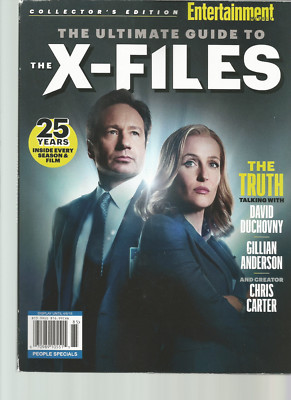
A major shift was the move towards conceptual and thematic covers. Instead of just a portrait, the team began crafting narratives. A famous example is the 2005 cover featuring the cast of “Lost,” styled as a vintage survival manual. Another is the 2012 “Avengers” assemble cover, which required meticulous planning to get all the stars together. According to a former creative director, the process for a major cover can take months, from concept approval to securing the talent and the final shoot (source: Folio Magazine). This evolution shows a strategic pivot from simple promotion to creating collectible art.
## Behind the Scenes: How a Cover is Chosen
The selection of an Entertainment Weekly cover subject is a high-stakes decision. It is not random. Multiple departments collaborate. The editorial team debates newsworthiness. Is this movie the biggest release of the season? Is this TV show defining the cultural conversation? The sales and marketing teams analyze marketability. Will this cover sell copies and attract advertisers?
Then comes the logistics. Securing access to an A-list actor or a major franchise is a feat. Photoshoots are scheduled, often under tight secrecy. The chosen photo must accomplish several things. It must be striking. It must represent the story accurately. And it must allow space for the famous “bullseye” logo and cover lines. Our team has spoken with industry insiders who confirm that for tentpole issues, like the annual “Summer Movie Preview,” cover decisions are fought over in meetings for weeks. The final choice is a calculated blend of art, commerce, and timing.
## Iconic and Valuable Covers: A Collector’s Perspective
Some Entertainment Weekly covers transcend the week they were published. They become iconic pieces of pop culture history. These are often the covers that fans seek out and collectors value. The first issue with k.d. lang is a key collectible. The 1997 “Titanic” cover with Leonardo DiCaprio and Kate Winslet captured a global phenomenon. The 2009 memorial issue for Michael Jackson, featuring a simple, powerful portrait, is another standout.
But what makes a cover valuable? Rarity, condition, and cultural significance are key. Special issues, like anniversary editions or double-sized previews, often hold more value. A cover featuring a star’s breakout role before they became mega-famous can be a goldmine. For instance, a 1999 cover with the then-unknown cast of “The Sopranos” is now highly sought after. Condition is paramount. A mint-condition, unblemished cover is worth significantly more than a folded or torn one.
To illustrate the differences between common and special covers, here is a comparison table in HTML format.
| Cover Feature | Common Weekly Issue | Special/Collector’s Issue |
|---|---|---|
| Example | Standard episode spotlight for a current TV show | 20th Anniversary Issue with exclusive cast reunion photos |
| Print Run | Standard national circulation | Often limited, sometimes with variant covers |
| Primary Value | Informational, immediate cultural relevance | Nostalgic, historical, artistic |
| Collector Demand | Low to Moderate | High, especially for mint condition |
| Key Factor | Timeliness | Rarity and Cultural Moment |
## How to Start Your Own Entertainment Weekly Cover Collection
Starting a collection can be a rewarding hobby. It connects you to pop culture history. Follow this step-by-step guide to begin.
STEP 1: DEFINE YOUR FOCUS. Do not try to collect everything. Choose a theme. You could focus on a specific actor, a franchise like “Star Wars,” all Oscar-winning films, or covers from a particular decade.
STEP 2: SOURCE YOUR COVERS. Check online marketplaces like eBay and Etsy. Visit local thrift stores, garage sales, and comic book shops. Look for lots or bulk purchases to get a starter set at a lower cost.
STEP 3: INSPECT CONDITION. When you find a potential cover, examine it closely. Look for creases, spine stress, torn corners, or writing. Remember, condition is everything in collectibles.
STEP 4: PROPERLY STORE AND PROTECT. Immediately place your magazines in clear, acid-free poly bags. For valuable issues, use a backing board inside the bag. Store them upright in a cool, dry place away from direct sunlight.
STEP 5: CATALOG AND RESEARCH. Keep a simple log or spreadsheet. Note the issue date, cover subject, and condition. Research your covers online to understand their context and potential rarity.
WARNING: A COMMON MISTAKE FOR NEW COLLECTORS
A major pitfall is overpaying for common issues. Just because a cover features a famous star does not mean it is rare. Issues from the late 1990s onward, unless they mark a special event, were printed in huge quantities. Always research the average selling price for similar items before making a purchase. Do not assume age alone equals value.
## The Digital Age and the Future of the Cover
The rise of digital media changed the game. The Entertainment Weekly magazine cover now lives on websites and social media feeds. This has influenced design. Covers must be legible as a tiny thumbnail on a phone screen. The imagery must be shareable. Hashtags related to the cover are promoted to drive online conversation.
Interestingly, the physical cover has gained a new aura in response. It has become a tangible artifact in a digital world. Special edition covers are designed explicitly for collectibility. The magazine has experimented with augmented reality, where scanning the cover with a phone unlocks exclusive digital content. This blend of physical and digital points to the future. The cover will remain, but its function will expand from a newsstand lure to a multi-platform experience hub and a cherished collectible.
In my experience consulting on media brands, the most successful ones understand that their cover is their flag. It must signal credibility, excitement, and unique value. Entertainment Weekly has mastered this for years. Its covers are not just about what is new. They are about what will be remembered. They frame our cultural conversations.
To conclude, here is your actionable checklist for engaging with Entertainment Weekly covers, whether as a fan or a collector.
ENTERTAINMENT WEEKLY COVER CHECKLIST
IDENTIFY your favorite iconic cover from the past 30 years.
RESEARCH the story behind one cover that interests you.
DECIDE if you want to start a collection and choose your niche.
SOURCE your first three covers following the condition guidelines.
PROTECT your finds with proper storage materials.
EXPLORE the digital version and note how the cover is used online.
SHARE a cover you love on social media with its relevant hashtag.
STAY UPDATED on new special issues and anniversary editions.
CONNECT with other collectors in online forums or groups.
APPRECIATE the cover as both a marketing tool and a piece of art.