





What exactly is a luxury good? The term gets thrown around constantly, from high-end fashion to gourmet coffee. But a precise definition is more elusive and more fascinating than you might think. It is not just about a high price tag. Defining a luxury good requires peeling back layers of economics, psychology, marketing, and culture. This guide will provide the definitive answer, moving beyond simple price points to explore what truly makes a product or service luxurious.
At its core, a luxury good defies normal economic rules. In standard economics, demand decreases as price increases. For luxury items, the opposite can be true. This is known as the Veblen Effect, named after economist Thorstein Veblen, who coined the term “conspicuous consumption.” For certain goods, a higher price can actually increase their desirability because it enhances their status-signaling power. A handbag that costs $50 fulfills a functional need. The same type of bag costing $5,000 communicates wealth, taste, and belonging to an exclusive group.
# Core Characteristics That Define a Luxury Good
So, how do we define a luxury good? We must look at a combination of intrinsic and perceived attributes.
EXCEPTIONAL QUALITY AND CRAFTSMANSHIP: This is the non-negotiable foundation. Luxury goods are typically made with the finest materials, involve significant handcrafting, and exhibit impeccable attention to detail. The time and skill invested are paramount. A luxury watch movement is a masterpiece of micro-engineering, finished by hand.
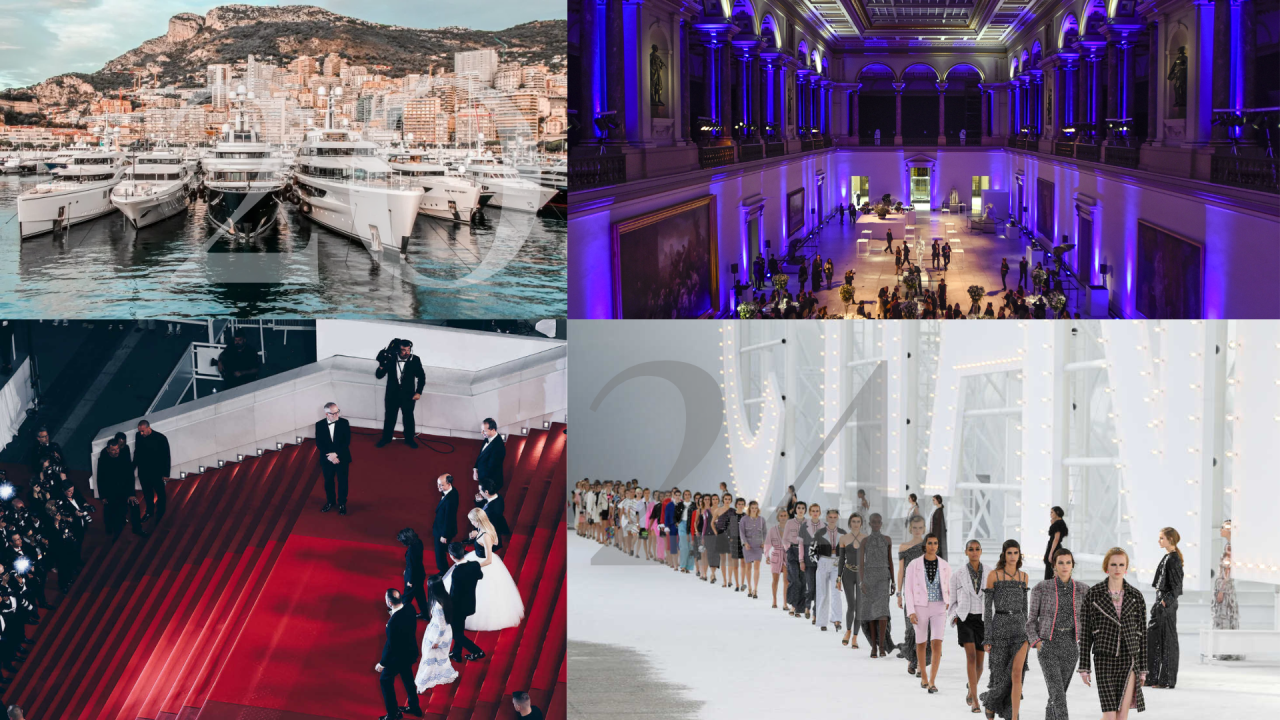
SCARCITY AND EXCLUSIVITY: True luxury cannot be mass-produced for everyone. Scarcity is carefully managed through limited editions, controlled distribution, bespoke services, or simply the immense time required to create each piece. This exclusivity fuels desire. If everyone owned it, its luxury status would diminish.
HERITAGE AND BRAND STORY: A compelling narrative is crucial. Many luxury brands have decades or centuries of history, tales of visionary founders, and a legacy of serving royalty or cultural icons. This story adds intangible value and emotional resonance that a new, unknown brand cannot instantly replicate.
PRESTIGE AND STATUS SIGNALING: This is the psychological engine. Owning or using the good confers social capital. It acts as a badge, signaling one’s economic success, refined taste, or membership in a particular social stratum. The brand’s logo or distinctive design is often a key part of this signal.
PRICE POINT AS A BARRIER: While not the sole defining factor, a high price is a critical filter. It creates a financial barrier to entry, ensuring that ownership remains within a relatively small circle. The price must be high enough to maintain the aura of exclusivity and to cover the costs of superior quality and marketing.
EMOTIONAL CONNECTION OVER UTILITY: The functional utility of the product is often secondary to the emotional experience it provides. The joy of unboxing, the tactile sensation of the material, the compliments received—these emotional dividends are a key part of the value proposition.
# Luxury Good vs. Premium Product: A Critical Distinction
A common mistake is confusing luxury goods with premium products. They exist on a spectrum, but key differences separate them. The table below clarifies this essential distinction.
| Feature | Luxury Good | Premium Product |
|---|---|---|
| Core Driver | Desire, Dream, Status | Enhanced Performance & Quality |
| Price Sensitivity | Low (Veblen Effect possible) | Moderate to High |
| Role of Function | Secondary to Emotion & Story | Primary Reason for Purchase |
| Brand Story | Essential, Historical, Mythic | Important, but often based on innovation |
| Example | A Hermès Birkin Bag | A Bose Noise-Cancelling Headphone |
As you can see, a premium product offers superior functionality for a higher price. A luxury good sells an identity and an experience, where function is just one component.
# The Evolution of Luxury: Experiential and Digital Frontiers
The definition of luxury is not static. In recent years, it has expanded dramatically. “Experiential luxury” is now a massive sector. This includes lavish travel, exclusive dining, and personalized adventures. According to a report by Bain & Company, experiences now account for a significant and growing portion of the luxury market, as high-net-worth individuals increasingly value memories over possessions (来源: Bain & Company Luxury Study).
Furthermore, digital luxury is emerging. This includes high-end digital art (NFTs from luxury houses), virtual fashion for avatars, and tech products crafted with luxury materials. The core principles—scarcity, craftsmanship in code or design, and status signaling—remain, but the medium has changed.
# A Step-by-Step Guide to Analyzing Any Product as a Potential Luxury Good
How can you apply this framework? Follow this five-step analysis to evaluate any product or service.
STEP 1: ASSESS THE QUALITY NARRATIVE. Research the materials, production methods, and origin. Is there a story of rare materials or artisan skill? If the marketing focuses solely on features, it’s likely premium, not luxury.
STEP 2: EVALUATE ACCESS AND DISTRIBUTION. Is it easily available at major retailers, or is access restricted? Are there waiting lists, invitation-only sales, or very few retail locations? Restricted access is a strong luxury indicator.
STEP 3: DECODE THE BRAND COMMUNICATION. Look at advertising and brand imagery. Does it focus on technical specs, or does it evoke a lifestyle, heritage, and emotion? Luxury marketing sells a dream, not a checklist.
STEP 4: OBSERVE THE PRICE RELATIVE TO FUNCTION. Compare the price to a functionally similar non-luxury item. Is the price difference explainable by materials and labor alone, or is there a large “brand premium”? A substantial brand premium suggests luxury status.
STEP 5: IDENTIFY THE STATUS SYMBOL. Is the product or its branding designed to be recognized? Does ownership clearly signal something about the owner to their desired peer group? If yes, it fulfills a key luxury role.
# Common Misconceptions and Warnings When Defining Luxury
A critical warning is necessary here. Do not fall into the trap of thinking price alone defines luxury. Many expensive products are simply overpriced, not luxurious. Conversely, some items with a lower price point can possess luxury attributes within their category due to exceptional craftsmanship and exclusivity.
Another major pitfall is confusing fashion with luxury. While they overlap, they are different. Fashion is inherently cyclical and trend-driven. True luxury often transcends fleeting trends, focusing on timelessness. A classic luxury item may stay in style for decades, while a fashionable “it” bag may be obsolete in a season.
From my experience consulting for various brands, we often see new companies try to claim luxury status by simply setting a high price and using glossy photography. Without the foundational pillars of genuine quality, a credible story, and managed exclusivity, the market sees through this instantly, and the brand fails to achieve true luxury recognition.
# The Future of Luxury: Sustainability and Personalization
Looking ahead, two forces are reshaping the luxury landscape. First, sustainability is becoming a new dimension of quality and ethics. Consumers, especially younger generations, are increasingly valuing transparency, ethical sourcing, and environmental responsibility. A 2023 study found that over 60% of luxury consumers consider a brand’s sustainability practices before making a purchase (来源: McKinsey & Company). Luxury is evolving to mean not just the best for oneself, but also the best for the planet and its people.
Second, hyper-personalization is the new frontier of exclusivity. Beyond monogramming, this involves co-creating products with clients, using data to predict unique desires, and offering services so tailored they feel one-of-a-kind. This takes the principle of exclusivity to its logical, individual conclusion.
# Your Practical Checklist for Defining a Luxury Good
To conclude, use this actionable checklist to determine if a product fits the modern definition of a luxury good. Answer yes or no to each question.
– The product emphasizes exceptional craftsmanship and material quality over pure volume output.
– Access to the product is intentionally limited, creating a sense of exclusivity.
– The brand has a rich, authentic heritage or has meticulously crafted a compelling story.
– Ownership primarily provides emotional value and social status, not just functional utility.
– The price serves as a deliberate barrier, not just a reflection of production cost.
– The product or brand is adapting to new expectations around sustainability or personalization.
If you answered “yes” to most of these, you are looking at a genuine luxury good. Defining a luxury good, therefore, is about understanding a powerful interplay between objective quality and subjective perception, between what is made and the story it tells about its owner. It is an economic anomaly and a cultural phenomenon that continues to fascinate and evolve.