





# The Ultimate Guide to Sport Balls: Types, Tech, and How to Choose Your Perfect Match
A sport ball is a universal symbol of play, competition, and athleticism. From the dusty streets to the world’s grandest stadiums, these spherical (and not-so-spherical) objects are central to countless games. But have you ever stopped to consider the immense engineering, material science, and history packed into each one? This guide dives deep into the world of sport balls, moving far beyond the basics to explore their evolution, technology, and the critical factors in selecting the right one.
UNDERSTANDING THE CORE CATEGORIES OF SPORT BALLS
Not all sport balls are created equal. Their design is a direct response to the physics and rules of the game they serve. We can broadly categorize them by their primary construction and behavior.
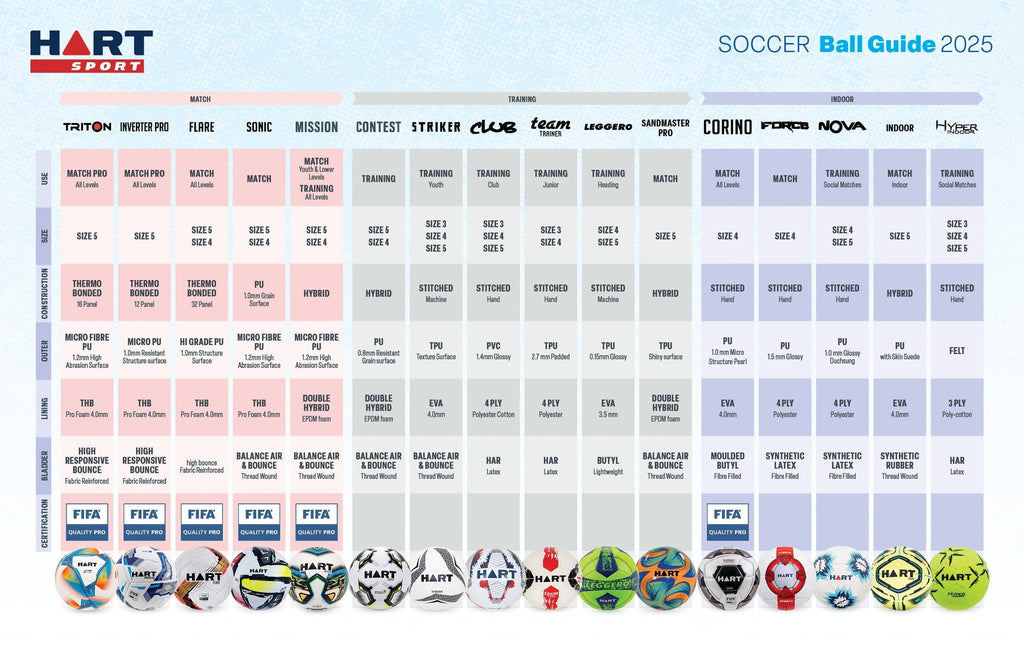
INFLATABLE BALLS: This category includes soccer balls, basketballs, volleyballs, and footballs (American and rugby). They rely on an internal air bladder, typically made of latex or butyl, to maintain their shape and pressure. The outer cover, or casing, is key for grip, durability, and flight characteristics. A modern soccer ball, for instance, uses a thermally bonded synthetic leather panel construction for a seamless, water-resistant surface.
PRESSURIZED BALLS: Tennis balls, pickleballs, and some high-performance table tennis balls fall here. They contain a fixed amount of pressurized gas (usually nitrogen) inside a rubber core. This internal pressure is what gives them their signature bounce. Once the seal is broken or the gas permeates out over time, the ball goes “dead.”
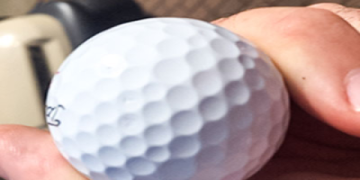
SOLID BALLS: Think baseballs, cricket balls, golf balls, and billiard balls. These are constructed from dense, layered materials like cork, rubber, yarn, and hardened covers. Their performance is about mass, core composition, and surface texture. The dimples on a golf ball, for example, are a precise aerodynamic feature designed to reduce drag and increase lift.
THE TECHNOLOGY REVOLUTION IN BALL DESIGN
The sport ball has undergone a quiet technological revolution. It is no longer just a piece of equipment but a data point and a performance enhancer.
MATERIAL INNOVATION: Traditional leather has been almost entirely replaced by synthetic composites like polyurethane (PU) and thermoplastic polyurethane (TPU). These materials offer superior consistency, water resistance, and durability. Adidas’s 2006 World Cup ball, the Teamgeist, was the first thermally bonded, panel-less soccer ball, creating a perfectly round and predictable sphere.
SMART TECHNOLOGY INTEGRATION: This is the frontier. Companies are embedding sensors and RFID chips inside sport balls to track metrics like spin rate, speed, trajectory, and impact force. The Wilson X Connected Football and the Babolat Play Pure Drive tennis racket (which often pairs with connected balls) are pioneers, providing instant feedback for player development. According to a report by Sports Technology Awards, the connected sports equipment market is projected to grow significantly, driven by demand for analytics.
AERODYNAMICS AND PRECISION ENGINEERING: Wind tunnel testing and computational fluid dynamics (CFD) are standard in designing balls for sports like golf and soccer. Every seam, panel shape, and surface texture is optimized for stable flight. The switch from 32-panel to fewer-panel soccer ball designs was largely an aerodynamic decision to reduce unpredictable knuckling.
HOW TO CHOOSE THE RIGHT SPORT BALL: A 5-STEP GUIDE
Selecting a ball is not trivial. The wrong choice can hinder skill development and enjoyment. Follow this step-by-step guide.
STEP 1: IDENTIFY THE PRIMARY USE CASE. Are you buying for official match play, casual practice, indoor use, or training? Match balls are built to strict federation specifications (like FIFA Quality Pro for soccer), while training balls prioritize durability.
STEP 2: DETERMINE THE PLAYING SURFACE. This is critical. A ball designed for soft, natural grass will wear out quickly on abrasive concrete or artificial turf. Look for designations like “Turf” or “Multi-Surface” on the packaging.
STEP 3: SELECT THE APPROPRIATE SIZE AND WEIGHT. Especially for youth players, using an oversized or overweight ball can lead to poor technique and even injury. Sports have standardized sizes (e.g., size 5 for adult soccer, size 6 for women’s basketball).
STEP 4: EVALUATE CONSTRUCTION QUALITY. Feel the ball. Check the stitching or bonding—it should be even and flush. For inflatable balls, the valve should sit securely. A good-quality bladder retains air pressure much longer.
STEP 5: CONSIDER THE “FEEL” AND RESPONSE. This is subjective but important. Does the basketball have the right grip for your hands? Does the soccer ball have a responsive, crisp touch when passed? If possible, test it before you buy.
COMMON MISCONCEPTIONS AND WHAT TO AVOID
A prevalent mistake is assuming all balls within a sport category are essentially the same. This is not true. A cheap, plastic-shelled soccer ball will behave like a balloon in the wind, while a premium model offers predictable control. Another error is using indoor balls outdoors; their softer covers will shred. Furthermore, over-inflating a ball is a common error that stresses seams, alters its bounce, and makes it harder to control. Always follow the recommended PSI or bar rating printed near the valve.
COMPARING PREMIUM VS. ENTRY-LEVEL SPORT BALLS
To illustrate the differences, here is a comparison between typical premium and entry-level models for a major sport like soccer.
| Feature | Premium Match Ball (e.g., FIFA Quality Pro) | Entry-Level/Recreational Ball |
|---|---|---|
| Panel Construction | Thermally bonded, often 4-6 panels for a truer sphere. | Stitched 32-panel design, often with a machine-stitched seam. |
| Cover Material | High-grade textured polyurethane (PU) for soft touch and control. | PVC or basic rubber; harder feel, less grip. |
| Bladder | Latex or advanced butyl for superior air retention and response. | Basic rubber or low-grade butyl; loses air faster. |
| Performance | Consistent, predictable flight and bounce in all conditions. | Flight can be erratic; bounce may be inconsistent. |
| Durability | Designed to withstand high-level play on natural grass. | May not hold up to intense use or rough surfaces. |
| Price Point | High (Often $100+) | Low (Often under $30) |
THE FUTURE OF THE SPORT BALL
Where do we go from here? The future points towards further personalization and data integration. We might see balls that can adjust their internal pressure based on altitude or temperature, or that provide even more granular biomechanical feedback. Sustainability is also a growing focus, with brands experimenting with recycled materials for casings and packaging. The core objective remains: to create a perfect, reliable instrument that disappears, allowing the athlete’s skill to shine through.
From my experience working with coaching teams, the single most overlooked piece of equipment is often the ball itself. We’ve seen young players struggle with control, only to realize the club’s training balls were worn-out, low-quality models that behaved unpredictably. Investing in a proper sport ball for the right context is an investment in skill development.
YOUR SPORT BALL SELECTION CHECKLIST
Before your next purchase, use this quick checklist to ensure you get the best tool for the game.
– Confirm the ball meets the official size and weight for the player’s age and league.
– Verify the construction type (thermal bonding, hand-stitching) matches your quality needs.
– Check the cover material is suitable for your primary playing surface (grass, turf, concrete, indoor).
– Read reviews or specifications for notes on air retention, especially for inflatable balls.
– Inspect the ball for even seams, a secure valve, and consistent panel shape.
– If possible, physically handle the ball to assess its grip, weight, and responsiveness.
– Set a budget that balances cost with the expected frequency and level of use.
The humble sport ball is a masterpiece of design tailored to the unique demands of each game. By understanding the technology and making informed choices, you elevate not just your equipment, but your entire sporting experience.