



What defines the biggest luxury brands in the world? Is it simply their revenue, their iconic status, or their cultural impact? In today’s dynamic market, the answer is a complex blend of all these factors and more. This guide dives deep into the elite tier of global luxury, exploring the powerhouses that set the trends, command astronomical prices, and shape our very definition of opulence. We will move beyond simple rankings to understand the strategies, heritage, and market forces that keep these giants on top.
# Understanding the Titans of Luxury
The landscape of the biggest luxury brands is not static. It is a fiercely competitive arena where heritage houses battle with modern disruptors. The core metric often used is annual revenue, which provides a clear, quantitative measure of commercial scale. However, true dominance also encompasses brand value, profit margins, global retail presence, and immense cultural influence. According to a report by Bain & Company, the global personal luxury goods market reached approximately 362 billion euros in 2023, demonstrating the immense economic power concentrated in this sector (source: Bain & Company “Altagamma Worldwide Luxury Market Monitor”).
Interestingly, the hierarchy of these brands can shift based on economic cycles, consumer sentiment in key markets like China and the United States, and successful product launches. A single “it” bag or fragrance can drive billions in sales. Therefore, our analysis looks at the consistent performers, the brands that have not only grown but have also successfully navigated the challenges of digital transformation and changing consumer values.
# The Pillars of Luxury Brand Dominance
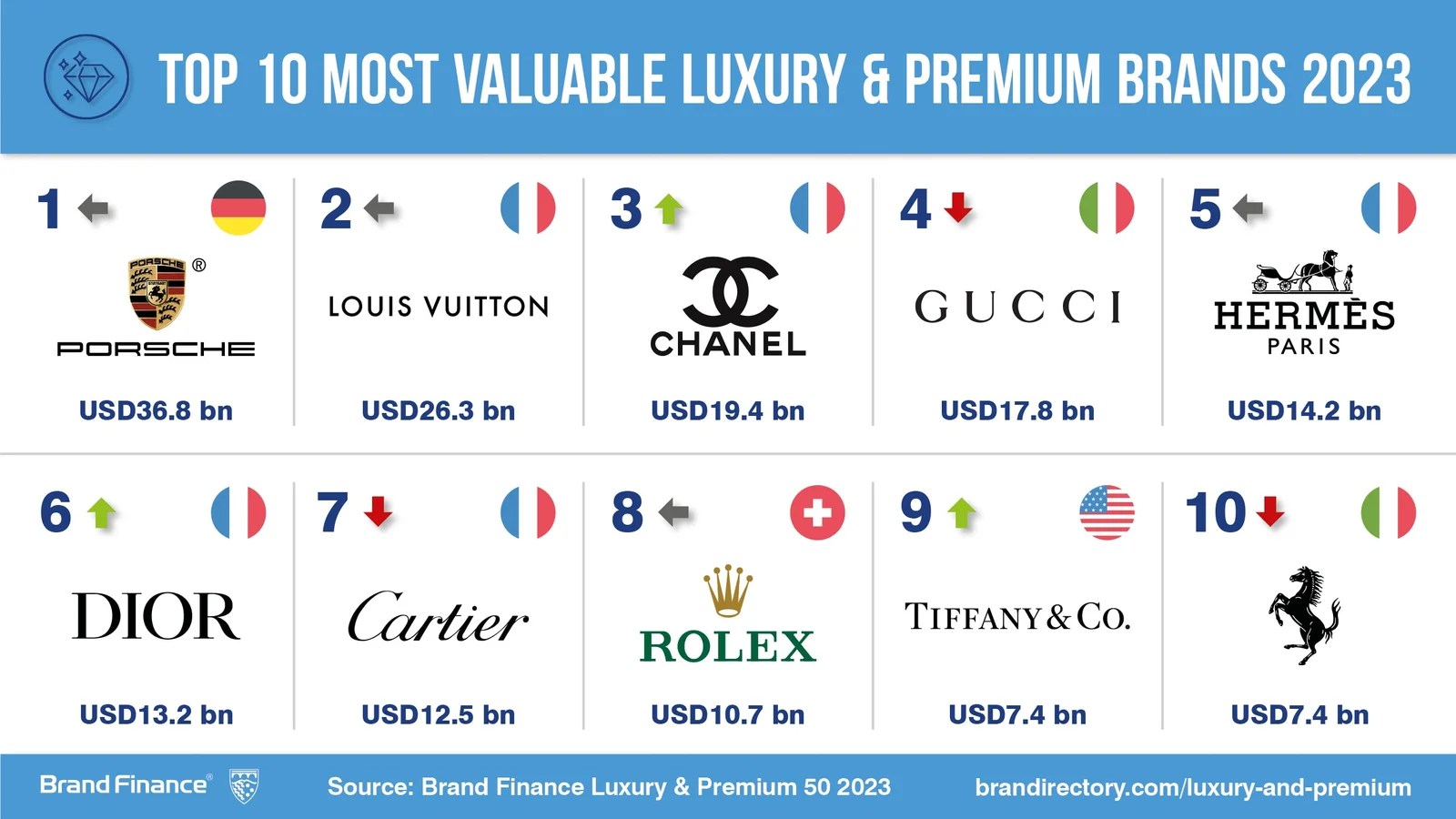
Several key pillars support the enduring success of the biggest luxury brands. First is an uncompromising commitment to craftsmanship and quality. These brands often employ master artisans and use materials of exceptional rarity and cost. Second is a powerful narrative built on heritage and storytelling. A century-old history of dressing royalty or pioneering a style becomes an invaluable asset. Third is exclusivity and perceived scarcity, carefully managed through pricing, limited editions, and controlled distribution.
The fourth pillar, and one that has become non-negotiable in the 21st century, is seamless omnichannel retail. The biggest luxury brands have mastered the art of blending breathtaking physical flagship stores in avenues like Fifth Avenue or Avenue Montaigne with sophisticated e-commerce and engaging social media presence. They create worlds, not just stores. Finally, adaptability is crucial. The brands that remain on top are those that can reinterpret their codes for new generations while never diluting their core identity.
# A Comparative Look at Luxury Giants
To understand the different paths to the top, let us compare two archetypes within the biggest luxury brands: the heritage-driven fashion house and the modern luxury conglomerate. The table below highlights their distinct strategies.
| Feature | Heritage Fashion House (e.g., Chanel, Hermès) | Modern Luxury Conglomerate (e.g., LVMH, Kering) |
|---|---|---|
| Core Strength | Deep-rooted brand identity, iconic products, artisanal legacy. | Portfolio diversification, operational scale, and financial acumen. |
| Growth Model | Organic, controlled growth focused on brand equity and vertical integration. | Acquisitive growth, acquiring and nurturing multiple distinct brands. |
| Product Focus | Often centered on timeless leather goods, haute couture, and fragrance. | Spans fashion, leather goods, watches, jewelry, wines, and spirits. |
| Exclusivity Control | Extremely high, with long waitlists and strict allocation. | Varies by brand within the portfolio, from ultra-exclusive to accessible luxury. |
This comparison shows there is no single formula. Hermès thrives on meticulous, slow production of its legendary Birkin and Kelly bags, while LVMH leverages its vast resources to build an empire of over 75 prestigious brands.
# The Unseen Engine: How Luxury Conglomerates Operate
When discussing the biggest luxury brands, it is impossible to ignore the colossal holding companies that own many of them. Groups like LVMH (Moët Hennessy Louis Vuitton) and Kering are the architects of the modern luxury landscape. They operate as powerful ecosystems. For instance, LVMH’s portfolio includes Louis Vuitton (fashion), Dior (fashion), Tiffany & Co. (jewelry), and Moët & Chandon (champagne). This diversification hedges against risk—if fashion sales dip, jewelry or spirits may soar.
These conglomerates provide their member brands with unparalleled advantages: shared research on materials, collective bargaining power, a vast real estate network for store openings, and centralized digital and logistics expertise. A smaller, independent brand would struggle to match these resources. In my experience analyzing market reports, the financial muscle of these groups allows for aggressive marketing campaigns and store refurbishments that keep their brands perpetually in the global spotlight.
# A Step-by-Step Guide to Analyzing a Luxury Brand’s Health
How can you, as an observer or investor, look beyond the logo to assess a luxury brand’s true position? Follow this five-step framework.
STEP 1: EXAMINE FINANCIAL DISCLOSURES. Look for consistent revenue growth, high profit margins (often above 20-30%), and healthy cash flow. Public companies like LVMH or Richemont publish detailed annual reports.
STEP 2: ASSESS BRAND HEAT AND DESIRABILITY. Monitor social media engagement, waitlist times for key products, and resale value on platforms like Vestiaire Collective. A strong secondary market indicates high demand.
STEP 3: EVALUATE PRODUCT ICONICITY. Does the brand have perennial “hero” products (e.g., the Louis Vuitton Speedy bag, the Rolex Submariner) that drive a steady revenue stream independent of seasonal trends?
STEP 4: REVIEW RETAIL AND DIGITAL EXPERIENCE. Visit their stores and websites. Is the experience exceptional and consistent? Is the online-to-offline journey seamless?
STEP 5: ANALYZE MANAGEMENT AND CREATIVE DIRECTION. Is there stability in leadership? Has a new creative director successfully refreshed the brand without alienating its core clientele? Strategic vision is paramount.
COMMON MISCONCEPTION: A WARNING
A prevalent mistake is equating loud logo saturation with long-term brand strength. While logo-mania drives short-term sales, especially with newer consumers, the biggest luxury brands with lasting power cultivate a deeper, more subtle brand equity. They sell aspiration and belonging, not just a monogram. Over-reliance on logo-driven products can make a brand vulnerable to shifting trends and appear less exclusive. True luxury often whispers.
# The Future: Sustainability and New Frontiers
The road ahead for the biggest luxury brands is paved with both challenge and opportunity. The most significant shift is the non-negotiable demand for sustainability and ethical transparency. Consumers now expect clear sourcing of materials, responsible production, and circular business models. Brands like Kering have made public commitments to reduce their environmental footprint, understanding that future credibility depends on it.
Another frontier is the digital realm, particularly immersive technologies and Web3. From virtual try-ons and NFTs linked to physical products to experiences in the metaverse, luxury brands are experimenting with new ways to engage clients. Furthermore, while China remains a colossal market, regions like Southeast Asia and the Middle East are emerging as vital growth engines, each with unique cultural nuances that brands must respectfully navigate.
According to a study by McKinsey, over 80% of luxury sales are now influenced by digital interactions, even if the final purchase happens in-store (source: McKinsey “The State of Fashion 2024”). This underscores that the biggest luxury brands of tomorrow will be those that master the fusion of physical craftsmanship and digital innovation.
# Your Checklist for Understanding Luxury Brand Dominance
To consolidate everything we have covered, use this practical checklist to evaluate any major luxury player.
IDENTIFY THE BRAND’S CORE PILLAR: Is it heritage, craftsmanship, innovation, or portfolio power?
CHECK FINANCIAL PERFORMANCE: Look for stable, high-margin revenue growth.
EVALUATE PRODUCT ECOSYSTEM: Does it have iconic, evergreen products alongside seasonal innovations?
ASSESS THE OMNICHANNEL EXPERIENCE: Is the brand experience world-class both online and offline?
CONSIDER CULTURAL RELEVANCE: Is the brand successfully engaging new generations?
INVESTIGATE SUSTAINABILITY EFFORTS: Are there tangible, reported actions on environmental and social governance?
ANALYZE COMPETITIVE POSITIONING: How does it differentiate from its direct rivals in the same segment?
In conclusion, the title of one of the world’s biggest luxury brands is earned through a delicate, continuous balancing act. It requires honoring legacy while embracing the future, maintaining exclusivity while achieving global scale, and delivering sublime quality while navigating the complexities of a digital, conscientious world. The brands that manage this will not only dominate markets but will continue to define the very essence of luxury for years to come.