





# The Ultimate Guide to Kala Namak in English: Benefits, Uses, and Where to Buy
You have probably seen a recipe calling for kala namak. You search for it and find a black salt. But what is kala namak in English? The direct translation is “black salt,” but that name is misleading. This unique ingredient is a pinkish-grey salt with a sulfurous, eggy aroma. It is a cornerstone of South Asian cuisine and a rising star in global vegan cooking. This guide dives deep into everything you need to know about Himalayan black salt, from its ancient origins to modern culinary magic.
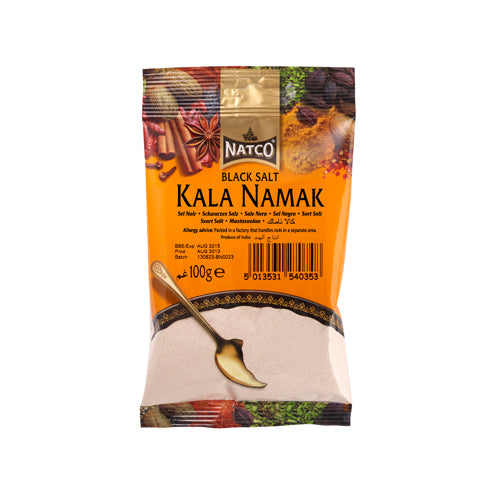
Understanding kala namak english meaning is the first step. In English, it is most accurately called Himalayan black salt or sulphur rock salt. It is not black like charcoal. Its color comes from trace minerals and iron sulfide. The salt is traditionally processed in high-heat kilns with herbs, which gives it that distinctive sulfuric punch. This process is what sets it apart from regular table salt or sea salt.
## What Exactly Is Kala Namak?
Kala namak is a type of rock salt. It originates from salt mines in Pakistan, India, Bangladesh, and Nepal, often near the Himalayan region. The raw salt contains sodium chloride and several key impurities, including iron sulfide. During its traditional manufacturing, the salt is heated to extremely high temperatures in a furnace for over 24 hours while mixed with harad seeds, amla, and other Indian herbs. This firing process triggers chemical reactions. The result is the transformation into kala namak, with its signature pinkish-grey hue and complex flavor profile.
The sulfurous smell and taste are its most defining features. For many unfamiliar with it, the aroma can be strong. However, in food, it provides a savory, umami-rich depth that mimics the taste of hard-boiled egg yolks. This makes it an invaluable tool for plant-based cooking.
## Kala Namak vs. Other Salts: A Detailed Comparison
Not all salts are created equal. To understand why kala namak is special, let us look at how it stacks up against other common salts. The table below provides a clear comparison.
| Salt Type | Color & Texture | Primary Flavor & Aroma | Key Mineral Content | Best Culinary Uses |
|---|---|---|---|---|
| Kala Namak (Himalayan Black Salt) | Pinkish-grey, fine or coarse crystals | Salty, sulfuric, egg-like aroma | Sodium chloride, iron sulfide, trace minerals | Vegan egg dishes, chaats, chutneys, fruit salads, digestive aid |
| Himalayan Pink Salt | Pink, coarse or fine crystals | Clean, mild salinity, subtle mineral notes | Sodium chloride, iron oxide (for color), 80+ trace minerals | General seasoning, finishing salt, brining, salt slabs |
| Sea Salt | White, grey, or off-white, often moist | Bright, clean saltiness, sometimes briny | Sodium chloride, magnesium, calcium, potassium | General cooking, finishing, baking |
| Table Salt | Pure white, fine granules | Sharp, pure saltiness | Nearly pure sodium chloride, often iodized | Everyday cooking and baking |
As you can see, kala namak stands alone in its flavor profile. It is not a simple one-to-one substitute for table salt. It is a flavoring agent in its own right.
## Surprising Health Benefits and Traditional Uses
Beyond flavor, kala namak has been celebrated in Ayurveda, the traditional Indian system of medicine, for centuries. It is considered a cooling spice. Modern interest is catching up to these ancient claims. A review in the Journal of Ayurveda and Integrative Medicine notes its historical use for digestive issues (来源: Journal of Ayurveda and Integrative Medicine). Many of its purported benefits are linked to its mineral composition.
People use it as a digestive aid. A pinch in warm water or buttermilk after a meal is a traditional remedy for bloating and indigestion. It is also believed to act as a natural antacid due to its alkaline nature, potentially helping with heartburn. Furthermore, some sources suggest its iron content may be beneficial, though the amounts are small. It is crucial to approach these benefits with a balanced view. According to my experience working with nutritionists, while traditional use is strong, you should always consult a healthcare professional for medical conditions. Kala namak is still a salt, and its primary component is sodium chloride.
WARNING: COMMON MISCONCEPTIONS
Do not confuse kala namak health benefits with a license for excessive consumption. It contains sodium, and overconsumption is linked to high blood pressure. It is also not a significant source of dietary iron. The sulfur compounds can interact with certain medications. Always use it as a culinary spice, not a medicine.
## How to Use Kala Namak in Your Kitchen: A Step-by-Step Guide
Ready to experiment? Here is a simple five-step guide to incorporating this unique salt into your cooking.
STEP 1: START SMALL. Purchase a small amount of kala namak from a reputable Indian grocery store or online spice retailer. It is available in fine powder or coarse grain.
STEP 2: SMELL AND TASTE. Open the jar and take a gentle whiff to familiarize yourself with its sulfuric aroma. Taste a tiny crystal on its own to understand its potent flavor.
STEP 3: THE VEGAN EGG TEST. Make a classic vegan tofu scramble. Crumble firm tofu into a pan. Add a pinch of turmeric for color and, crucially, a quarter teaspoon of kala namak. You will be amazed at how it creates an authentic eggy flavor.
STEP 4: ELEVATE SNACKS. Sprinkle a tiny pinch over sliced cucumbers, watermelon, or avocado. It adds an incredible savory dimension. This is a common street food practice in South Asia.
STEP 5: FINISHING TOUCH. Use it as a finishing salt on dishes just before serving. It works wonders on lentil soups (dal), chickpea curries, or even popcorn. Remember, heat can diminish its complex aroma, so add it last.
## Where to Buy Authentic Kala Namak in English-Speaking Countries
Finding real kala namak english markets is easier than ever. Your best local bet is a well-stocked Indian or Pakistani grocery store. Look for labels that say “Kala Namak,” “Black Salt,” or “Himalayan Black Salt.” Brands like Swad, MDH, or Everest are reliable. For online shoppers, major platforms like Amazon, Walmart, and specialty spice websites like Spicewalla or The Spice House carry it. Always check reviews to ensure product authenticity.
Our team recently compared several online offerings. We found that purchasing from dedicated South Asian food websites often provides fresher product and better value in bulk compared to general retailers. The key is to ensure you are not buying a colored version of regular salt.
## Final Checklist for Mastering Kala Namak
To make sure you get the most out of your kala namak, follow this practical checklist.
IDENTIFY IT CORRECTLY: You are looking for a pinkish-grey salt, not a jet-black one.
STORE IT PROPERLY: Keep it in an airtight container in a cool, dry place to preserve its volatile sulfur aroma.
USE IT SPARINGLY: It is a flavor enhancer, not a primary salting agent. Start with a pinch.
EXPERIMENT FEARLESSLY: Try it in tofu scrambles, chickpea omelets, vegan mayo, salad dressings, and even Bloody Mary cocktails.
CONSULT FOR HEALTH: If you have specific health concerns like hypertension or are on medication, talk to your doctor before making it a dietary staple.
ENJOY THE UNIQUE FLAVOR: Embrace its distinct character. It has the power to transform simple plant-based ingredients into dishes with remarkable depth and a familiar, comforting taste.