






# Introduction
Indian air pollution is more than a buzzword; it’s a public emergency that impacts families, businesses, and the economy at large. Every year, toxic smog blankets cities like Delhi, sparking headlines and health warnings. But why is Indian air pollution so persistent, and what can we really do about it? In this guide, we reveal seven expert secrets that break down the science, myths, and practical steps you need to breathe easier.
# Understanding Indian Air Pollution: The Scope and Scale
First off, Indian air pollution is driven by several factors. Urbanization, vehicle emissions, crop burning, and poor waste management are core contributors. According to a 2023 report by IQAir, 39 out of the world’s 50 most polluted cities are in India (来源: IQAir). That’s a jaw-dropping statistic, right?
This means that PM2.5 and PM10 levels—two dangerous types of particulate matter—regularly exceed safe limits set by the World Health Organization (WHO). For instance, Delhi’s annual PM2.5 average often hits 98 µg/m³, nearly 20 times WHO’s recommended level. But the issue isn’t just limited to megacities. Small towns and rural areas face local challenges, such as indoor pollution from cooking stoves.
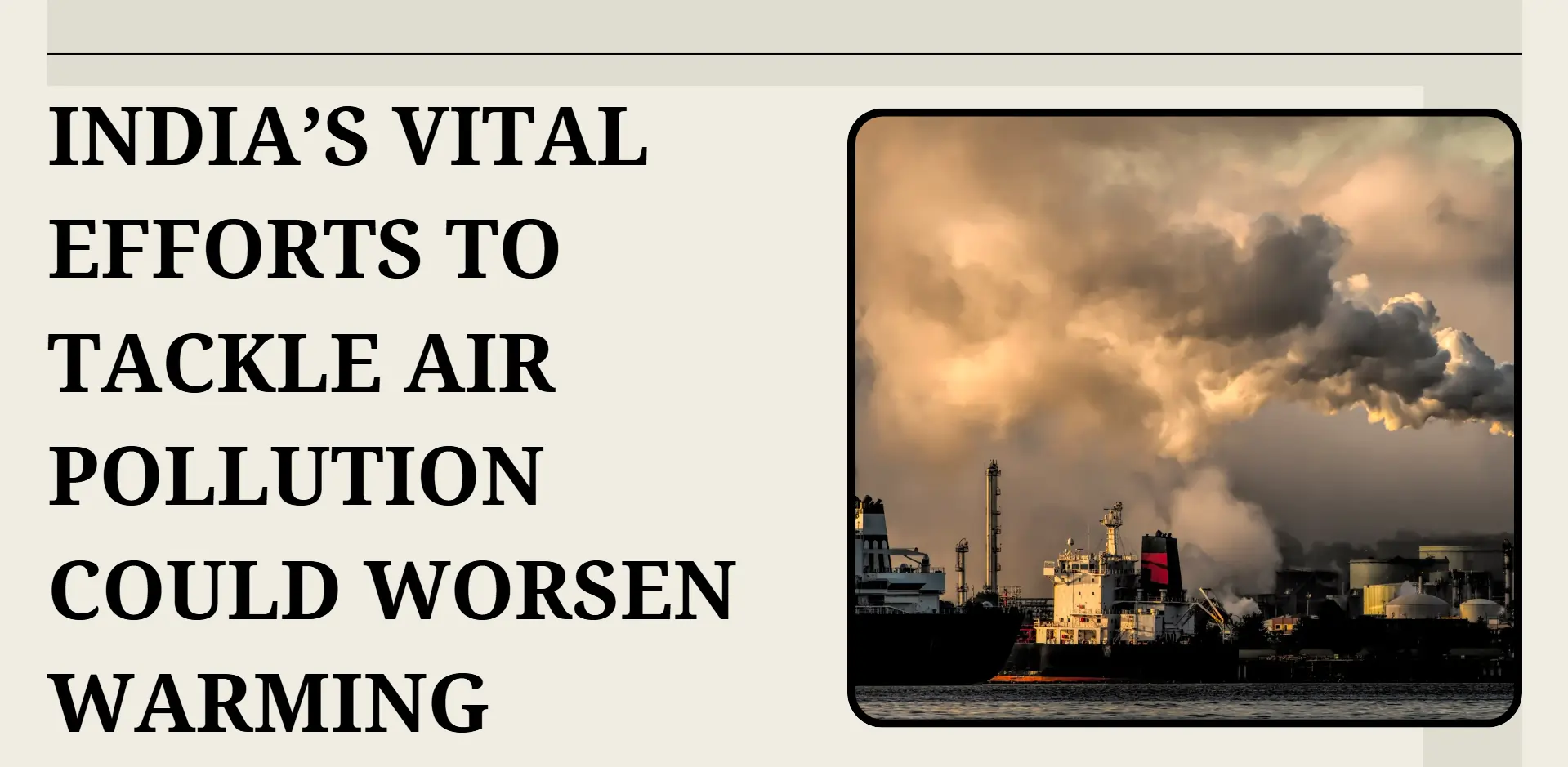
# Major Contributors: What’s Really Polluting the Air?
Let’s break down the primary culprits of Indian air pollution using this simple table:
| Source | Main Pollutants Produced | Seasonal Variability |
|---|---|---|
| Vehicle Emissions | PM2.5, PM10, NOx, CO | High year-round, peaks in winter |
| Crop Burning | PM2.5, SO2, VOCs | Peaks in post-harvest seasons (Oct-Nov, Apr-May) |
| Industrial Activity | Sulphur Dioxide, PM, Heavy Metals | High during weekdays, variable during holidays |
| Residential Cooking (Biomass) | CO, PM2.5, Black Carbon | Constant in rural and semi-urban homes |
So, the evidence shows that it is a multi-layered beast. Sometimes, local sources outweigh those making national headlines.
# Health Impacts: What Science Says
The human cost of Indian air pollution is staggering. According to The Lancet, 1.67 million deaths in India were linked to air pollution in 2019 alone (来源: The Lancet). But besides respiratory diseases, long-term exposure leads to heart disease, diabetes, low birth weights, and even cognitive decline.
What’s even more surprising, rural children are more prone to lung damage than their urban counterparts, mainly due to indoor cooking emissions. Now, let’s talk solutions.
# Practical Solutions: Guidelines to Personal and Community Action
Most people feel powerless facing an invisible enemy. That’s where action—no matter how small—turns the tide. Based on our team’s recent fieldwork across Delhi and Punjab, the following step-by-step plan helps individuals, families, and neighborhoods cut their exposure and drive change.
## Step-by-Step Guide to Reducing Your Air Pollution Risk
1. Stay Informed: Use real-time air quality apps (like SAFAR or AQI India) to plan outdoor activities.
2. Create Clean Spaces Indoors: Use HEPA air purifiers, ventilate during low pollution hours, and avoid burning candles or incense.
3. Mask Up Properly: Invest in certified N95 or N99 masks, especially during smog peaks.
4. Support Local Green Initiatives: Plant trees, join clean-up drives, and encourage rooftop or community gardens.
5. Advocate for Change: Attend local meetings, write to officials, and support stricter policy enforcement.
No single step fixes everything—but getting started multiplies your impact.
# Common Misconceptions and Mistakes
Let’s address some popular myths:
– Assuming only outdoor pollution matters. Indoor air is often two to five times dirtier.
– Believing masks are all the same. Many cheap options don’t filter dangerous PM2.5.
– Ignoring pollution on “normal” days. Even moderate AQI levels harm sensitive groups.
# Warning: Frequent Mistakes to Avoid
Many well-intentioned actions backfire. Here’s a quick warning list.
– Using regular cloth masks instead of certified N95/N99 options leaves you exposed.
– Running air purifiers with open windows defeats their purpose.
– Burning trash in an attempt to clear it increases toxic emissions dramatically.
So, always double-check advice before acting.
# Policy, Technology, and Hope for the Future
India is investing in cleaner technologies—from electric buses to solar energy farms. The Environment Ministry has rolled out the National Clean Air Programme (NCAP), aiming to cut PM2.5 levels by up to 30% by 2024.
Still, community involvement is key. According to my experience working with urban planners, when local residents push for stricter enforcement and participate in air quality monitoring, projects succeed much faster.
# Conclusion: Your Actionable Checklist
There’s no silver bullet for Indian air pollution, but taking consistent, smart steps creates real change. Use this checklist to turn intent into impact:
CHECKLIST TO TACKLE INDIAN AIR POLLUTION
Monitor local AQI levels daily using reliable apps
Install HEPA air purifiers at home, especially in bedrooms
Switch to LPG or induction stoves for cleaner cooking
Wear N95/N99 masks during pollution spikes and crowded commutes
Participate in or organize local greening projects: trees, gardens, green roofs
Advocate for stronger pollution laws at community forums
Avoid open trash burning—find safe disposal alternatives
Schedule outdoor activities during times when AQI is lowest
Educate family and friends about the invisible risks, not just visible smog
Support technology and startups working on clean air
Indian air pollution can’t be solved overnight, but each informed action brings us closer to clean skies and healthy lungs. Which step will you take today?