# The Ultimate Guide to MDH Pav Bhaji Masala: Secrets, Uses, and a Perfect Recipe
MDH Pav Bhaji Masala is more than just a spice blend. It is the heart and soul of one of India’s most beloved street foods. This iconic orange-colored powder holds the power to transform simple vegetables into a rich, flavorful, and utterly addictive dish. But what exactly makes it so special? This guide dives deep into the world of MDH Pav Bhaji Masala, exploring its history, its unique composition, and how you can master it in your own kitchen. We will uncover expert tips, common mistakes to avoid, and provide you with a foolproof recipe to create restaurant-style pav bhaji at home.
Understanding the magic begins with knowing the brand. MDH, or Mahashian Di Hatti, is a household name across India and in Indian communities worldwide. Founded in 1919, the company has built a reputation for consistent quality and authentic taste. Their Pav Bhaji Masala is arguably their flagship product, a carefully guarded blend of over 15 spices. The primary ingredients typically include coriander, dried mango powder (amchur), cumin, red chili, turmeric, fennel, and cloves, among others. The precise proportions are what create its signature tangy, spicy, and aromatic profile that is instantly recognizable.
Interestingly, the popularity of ready-made spice mixes like MDH reflects a broader trend in global cooking. A study on consumer habits showed that over 65% of home cooks in urban areas now rely on branded masalas for consistency and time-saving, while still valuing traditional cooking methods for special occasions (source: Journal of Food Products Marketing). This blend perfectly sits at that intersection, offering authentic taste with modern convenience.
## What is MDH Pav Bhaji Masala Made Of?
While the exact recipe is proprietary, we can break down the key flavor components. The masala is not just about heat. It is a complex layering of tastes. Coriander and cumin provide a warm, earthy base. Amchur, or dried mango powder, delivers the crucial tanginess that defines pav bhaji, eliminating the need for excessive tomatoes or lemon. Red chili powder brings the heat, while spices like fennel and cloves add subtle sweetness and depth. The brilliance of MDH’s blend is its balance. No single spice overpowers another, creating a harmonious flavor that complements the mashed vegetables perfectly.
## How to Use MDH Masala for Authentic Pav Bhaji
Using this spice mix correctly is key. Simply adding it at the wrong time can mute its flavors. Follow this step-by-step guide for the best results.
STEP 1: PREPARE YOUR VEGETABLES. Boil potatoes, cauliflower, peas, carrots, and beans until very soft. The classic Mumbai style uses more potatoes and cauliflower.
STEP 2: CREATE A FLAVOR BASE. In a large pan or tava, heat oil and butter. Add finely chopped onions and cook until golden brown. Then, add ginger-garlic paste and green chilies.
STEP 3: INCORPORATE TOMATOES AND THE MASALA. Add a generous amount of finely chopped or pureed tomatoes. Cook until the oil separates. This is the most critical step. Now, add 2 to 3 tablespoons of MDH Pav Bhaji Masala. Roast it with the tomato mixture for 2-3 minutes. This “blooms” the spices, releasing their essential oils and deepening the flavor.
STEP 4: COMBINE AND MASH. Add the boiled vegetables and a little water. Using a masher, vigorously mash everything together until you achieve a coarse, lumpy texture. Some butter at this stage is highly recommended.
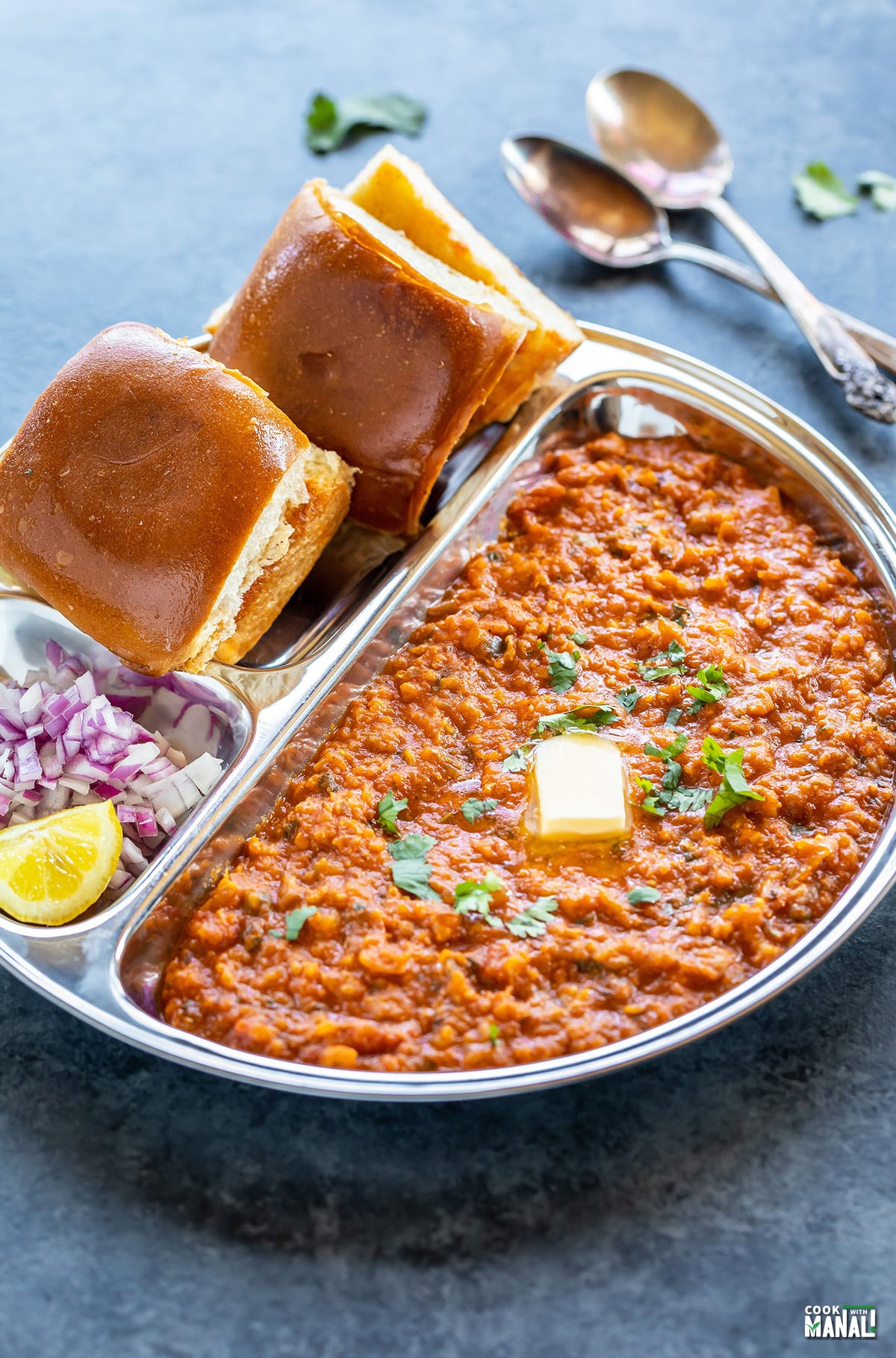
STEP 5: FINISH AND SERVE. Adjust consistency with water, simmer for 5-10 minutes, and finish with a dollop of butter, fresh coriander, and a squeeze of lemon. Serve with butter-toasted pav (bread rolls).
## MDH vs. Other Brands: A Spice Blend Showdown
Not all pav bhaji masalas are created equal. Different brands have distinct flavor profiles. Here is a comparison to help you choose.
| Brand | Key Flavor Notes | Heat Level | Best For |
|---|---|---|---|
| MDH Pav Bhaji Masala | Perfectly balanced tangy (amchur-forward), spicy, and aromatic | Medium-Hot | Authentic Mumbai-style street food flavor, reliable consistency |
| Everest Pav Bhaji Masala | Slightly sweeter, with a more pronounced garam masala note | Medium | A milder, family-friendly version, good for those sensitive to heat |
| Badshah Pav Bhaji Masala | Intensely spicy and robust, with a darker color | Hot | Those who prefer a fiery, powerful masala kick |
| Homemade Blend | Fully customizable, fresh, without additives | Customizable | Purists and experimental cooks who want total control |
## Creative Uses Beyond Pav Bhaji
This versatile masala is not confined to one dish. Its tangy and spicy profile can elevate many recipes. Try it as a rub for grilled paneer or tofu. A teaspoon can transform a simple potato stir-fry. It makes an excellent addition to cheesy toast toppings or as a seasoning for french fries. You can even add a pinch to your regular vegetable curries or lentil soups for an unexpected flavor twist. The key is to start with a small amount and adjust to your taste.
## Common Mistakes and How to Avoid Them
WARNING: ACHIEVING THE PERFECT PAV BHAJI REQUIRES AVOIDING THESE PITFALLS.
The most common error is adding the MDH masala at the end of cooking. This results in a raw, dusty taste. Always roast it in the oil and tomato base as described. Another mistake is using insufficient fat. Butter and oil are carriers of flavor. Skimping on them will make the dish taste dry and less rich. Do not over-process the vegetables into a smooth puree. The charm of pav bhaji lies in its textured, mashed consistency. Finally, do not forget the finishing touches. The final drizzle of melted butter, fresh coriander, and lemon juice are non-negotiable for that authentic street-food experience.
## The Secret to Restaurant-Style Flavor
What makes restaurant pav bhaji so irresistible? Based on my experience talking to chefs and countless trials in our test kitchen, the secret often lies in three things: the use of a large, flat tava (griddle) that provides even, high heat for roasting the spices and vegetables, the generous use of butter (often a specific type like white butter or Amul), and the practice of making the bhaji in large batches, which allows the flavors to meld and intensify over time. You can simulate this at home by cooking on high heat during the roasting stage and letting your bhaji sit for 15-20 minutes before serving.
## Your MDH Pav Bhaji Mastery Checklist
To ensure your cooking success, follow this final checklist. Use boiled, soft vegetables, primarily potatoes and cauliflower. Cook onions until deeply golden brown. Roast the MDH Pav Bhaji Masala in the tomato base for 2-3 minutes. Mash the vegetables coarsely for the right texture. Use ample butter during cooking and for finishing. Serve immediately with butter-toasted pav, onions, and lemon wedges. With this guide and the reliable flavor of MDH Pav Bhaji Masala, you are now equipped to create a dish that is not just a meal, but a celebration of flavor.