





# The Ultimate Guide to Power Chain Management: 7 Strategies for Unbreakable Resilience
What is the single most critical system that can bring a global corporation to its knees? It is not its IT network or its financial ledger. It is its power chain. Unlike a simple supply chain for parts, the power chain encompasses the entire, complex ecosystem required to generate, transmit, distribute, and manage the electrical energy that fuels every operation. In an era of climate volatility, geopolitical tension, and soaring demand, a fragile power chain is an existential threat. This guide dives deep into the anatomy of a modern power chain, revealing the strategies that separate vulnerable companies from unbreakably resilient ones.
We define the power chain as the integrated network of physical assets, digital systems, market mechanisms, and human processes that ensure the reliable, cost-effective, and sustainable flow of electricity from source to socket. It moves far beyond the utility meter, encompassing on-site generation, long-term power purchase agreements, real-time grid interactions, and sophisticated energy management software. For a data center, a manufacturing plant, or a retail chain, mastering this chain is not an operational footnote; it is a core competitive strategy.
INTERESTINGLY, THE CONVERSATION HAS SHIFTED FROM SIMPLE COST REDUCTION TO STRATEGIC RISK MANAGEMENT. A 2023 report by the Business Continuity Institute found that 48% of organizations experienced at least one disruptive power outage in the previous year, with the average cost of downtime exceeding $300,000 per hour for critical operations (来源: Business Continuity Institute). This stark reality makes a proactive power chain strategy non-negotiable.
# The Four Pillars of a Modern Power Chain
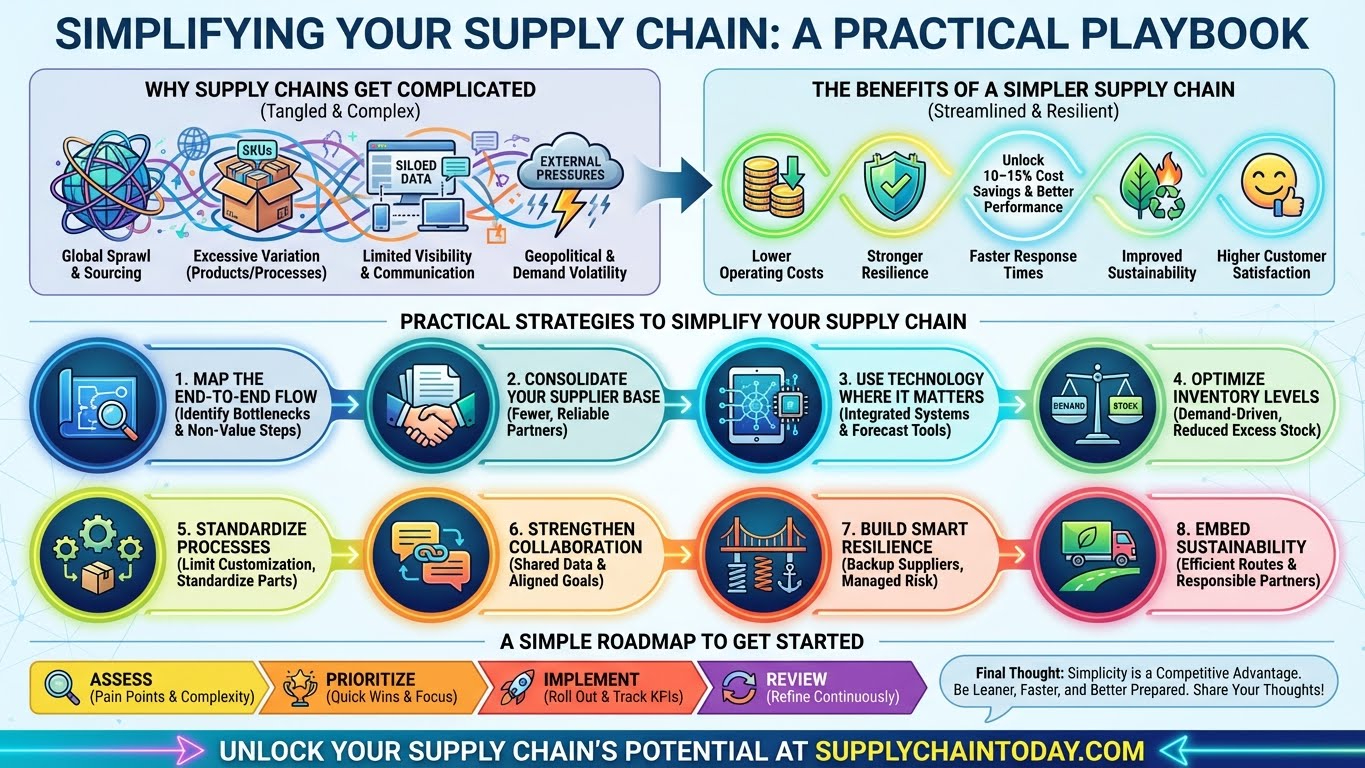
To manage something, you must first map it. A resilient power chain is built on four interconnected pillars.
The first pillar is Supply Diversity. Relying solely on the local grid is a high-risk strategy. A robust power chain diversifies its sources. This includes traditional grid power, but also integrates on-site assets like solar panels, wind turbines, or combined heat and power (CHP) generators. Furthermore, it involves contractual diversification through virtual power purchase agreements (VPPAs) for renewable energy from different geographical regions, mitigating regional weather risks.
The second pillar is Demand Intelligence. This is about moving from passive consumption to active participation. Using IoT sensors and advanced metering infrastructure, companies can now see their energy use in granular detail—down to the machine level. This data allows for demand response programs, where a facility voluntarily reduces load during grid stress events in exchange for financial compensation, turning energy flexibility into a revenue stream.
The third pillar is Storage and Buffering. Energy storage, primarily in the form of lithium-ion or emerging flow batteries, acts as a shock absorber for the power chain. It can store cheap renewable energy for use during expensive peak periods (arbitrage), provide instantaneous backup during a grid outage (bridging power), and help stabilize on-site microgrids. Storage decouples energy generation from consumption, providing crucial flexibility.
The fourth pillar is Digital Orchestration. This is the central nervous system. Energy Management Systems (EMS) and specialized power chain software integrate data from all other pillars. They use AI and machine learning to forecast energy prices, optimize generator dispatch, automate demand response, and provide a single pane of glass for monitoring and control. Without this digital layer, the other pillars cannot work in concert.
# Power Chain vs. Traditional Energy Management: A Critical Comparison
Many professionals confuse power chain management with traditional energy procurement or facility management. The difference is profound and strategic. The table below clarifies the key distinctions.
| Aspect | Traditional Energy Management | Integrated Power Chain Management |
|---|---|---|
| FOCUS | Cost reduction, utility bill payment, basic compliance. | Total system resilience, revenue generation, strategic risk mitigation. |
| SCOPE | Primarily the utility meter and inward-facing facility systems. | End-to-end: from generation source (grid, on-site, off-site PPA) to end-use load and market participation. |
| DATA USE | Historical billing data for tracking and reporting. | Real-time, granular IoT data for predictive analytics, automation, and dynamic optimization. |
| ASSETS VIEWED | As cost centers (e.g., generators for backup only). | As strategic, revenue-capable assets (e.g., batteries for arbitrage, generators for grid services). |
| DECISION DRIVER | Reactive, based on monthly bills and outage events. | Proactive and predictive, based on market signals, weather forecasts, and risk modeling. |
# A 5-Step Framework for Building Your Resilient Power Chain
Implementing a power chain strategy can seem daunting. Based on my experience advising manufacturing and tech firms, breaking it down into a phased approach is key. Here is a practical, five-step framework to get started.
STEP 1: CONDUCT A TOTAL SYSTEM AUDIT. Do not just look at your utility bills. Map every energy flow. Identify all points of entry (grid feeds, on-site generation), major loads, and existing control systems. This audit establishes your baseline and reveals your single points of failure.
STEP 2: QUANTIFY YOUR RISK AND COSTS. Model the financial impact of a power disruption. What is the cost per hour of downtime for each critical operation? Simultaneously, analyze your current energy spend, including demand charges, which often make up 30-50% of a commercial bill and are a prime target for savings.
STEP 3: DEVELOP A DIVERSIFICATION ROADMAP. Start with low-hanging fruit. This could be signing up for a utility demand response program or installing a small, targeted solar array. Plan for medium-term steps like a behind-the-meter battery for peak shaving. Long-term goals might include an off-site VPPA.
STEP 4: SELECT AND INTEGrate DIGITAL PLATFORMS. Choose an Energy Management System that can scale with your ambitions. It must be able to integrate with your building management system, future storage assets, and market programs. Prioritize platforms with strong analytics and automation capabilities.
STEP 5: ESTABLISH GOVERNANCE AND METRICS. Assign clear ownership for power chain performance. Move beyond just “cost per kWh” as a metric. Establish KPIs for resilience (e.g., “self-sufficiency hours”), sustainability (renewable energy percentage), and financial performance (revenue from grid services).
# Common Power Chain Pitfalls and How to Avoid Them
Even with the best plans, companies stumble. Here is a critical warning on the most frequent mistakes we see.
A MAJOR PITFALL IS TREATING PROJECTS IN SILOS. Installing solar, a battery, and a new chiller plant as separate, unconnected initiatives is a missed opportunity. The true value is in the synergy. For instance, a battery should be sized and programmed not just for backup, but to maximize solar self-consumption and reduce demand charges. An integrated design from the start is 20-40% more valuable than the sum of its parts.
Another significant error is underestimating the importance of software and data architecture. Buying hardware without a plan for the “digital brain” to control it leads to stranded assets. Ensure your software strategy is decided in parallel with your hardware procurement, not as an afterthought.
Finally, a lack of internal expertise can derail progress. Power chain management sits at the intersection of finance, operations, sustainability, and IT. Not building a cross-functional team or seeking external expert guidance often results in suboptimal decisions and failed implementation.
# The Future of Power Chain: AI, Microgrids, and Prosumer Economics
The power chain is evolving from a static infrastructure to a dynamic, intelligent, and transactional network. Artificial intelligence is moving from analytics to autonomous control, with systems that can predict grid congestion and pre-emptively adjust operations. Microgrids—self-sufficient energy islands that can disconnect from the main grid—are becoming a viable resilience solution for campuses and industrial parks.
MOST DISRUPTIVELY, THE LINE BETWEEN CONSUMER AND PRODUCER IS BLURRING. Companies are becoming “prosumers,” actively selling flexibility and excess power back to the grid. Blockchain-enabled peer-to-peer energy trading is being piloted, allowing a factory with excess solar power to sell directly to a neighboring business. This transforms the power chain from a cost center into a potential profit center.
According to a study by Deloitte, global corporate investment in renewable power purchase agreements and on-site generation surpassed $50 billion in a recent year, signaling that leading firms are already betting big on this future (来源: Deloitte Center for Sustainable Progress). The companies that master their power chain today are not just protecting themselves; they are building a foundational advantage for the energy system of tomorrow.
# Your Power Chain Resilience Checklist
Use this actionable checklist to assess and advance your power chain strategy. Do you have a clear map of all your energy inputs and major loads? Have you calculated the true financial cost of a power disruption for your key operations? Have you explored diversification options beyond the main grid, such as demand response or on-site generation? Is there a digital energy management platform integrated or planned for your systems? Have you formed a cross-functional team with ownership over energy resilience and strategy? Are you tracking metrics beyond simple energy cost, such as renewable percentage or self-sufficiency capacity? Have you modeled the synergistic value of combining assets like solar, storage, and load control? Do you have a regular review process to assess new technologies and market opportunities for your power chain?