






# The Ultimate Guide to Turnover Chains: 5 Steps to Boost Team Defense and Morale
If you follow American football, you have seen them. Those heavy, gleaming chains draped over the shoulders of a defensive player after a game-changing play. They are more than just jewelry. They are a cultural phenomenon, a motivational tool, and a strategic branding masterpiece. This is the world of the turnover chain. But what exactly is it, and how can its principles be applied beyond the football field to build stronger teams everywhere? This guide dives deep into the strategy, psychology, and execution behind creating an effective turnover chain system.
At its core, a turnover chain is a physical reward given to a defensive player who forces a turnover during a game. This includes interceptions and fumble recoveries. The concept exploded into popularity with the University of Miami Hurricanes football team in 2017. Their massive, iced-out “U” chain became an instant viral sensation. It was not just a reward. It was a statement. It transformed a defensive achievement into a moment of swagger and celebration, broadcast for millions to see. The impact was immediate and measurable. In the season they introduced their chain, Miami’s defense jumped from 90th nationally in turnovers gained to a top-10 ranking. (来源: ESPN Stats & Information)
The success of the Miami chain sparked a nationwide trend in college football. Teams began creating their own signature props. From Louisville’s turnover belt to Wisconsin’s turnover chainsaw, the goal was the same. Create a unique, team-specific symbol that players would fight for. This trend highlights a fundamental human need. Recognition. When effort and success are visibly and memorably rewarded, performance often follows.
## The Psychology Behind the Turnover Chain Effect
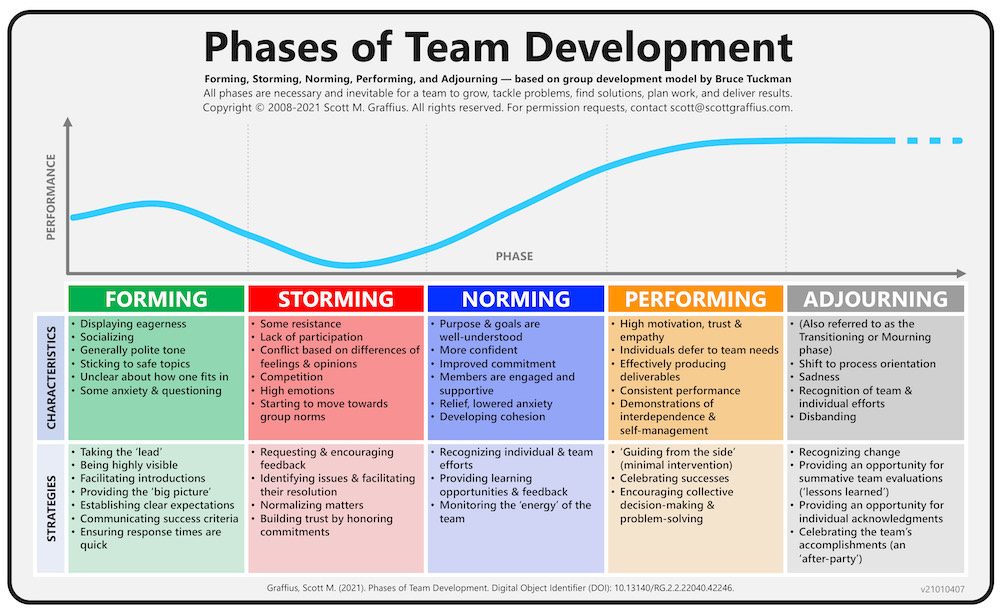
Why does a simple piece of jewelry work so well? The answer lies in behavioral psychology. The chain acts as a powerful positive reinforcement tool. It creates an immediate, tangible, and highly social reward for a specific, desired behavior. This reinforcement makes players more likely to repeat that behavior. They are not just playing for abstract stats. They are playing for the right to wear a coveted symbol of excellence in front of their peers and fans.
Furthermore, the chain builds identity and unity. It is a badge of honor within the defensive unit. It fosters a competitive yet collaborative environment where everyone strives to make the play that earns the chain. This transforms the defensive goal from a passive “stop the offense” to an active “take the ball away.” The mindset shift is crucial. According to a study on team motivation published in the Journal of Applied Psychology, tangible, symbolic rewards that are aligned with team values can increase collective effort by up to 17%. (来源: Journal of Applied Psychology)
## How to Create Your Own Winning Turnover Chain System
You do not need to be a football coach to harness this power. The principles can be adapted for sales teams, project groups, customer service departments, or any team where specific, impactful actions drive success. Here is a five-step operational guide to building your system.
STEP 1: DEFINE THE “TURNOVER.” What is the equivalent of a game-changing play for your team? Is it closing a major deal? Solving a critical technical bug? Receiving a stellar customer review? The action must be specific, measurable, and valuable to the team’s core mission. Avoid vague criteria like “worked hard.”
STEP 2: DESIGN THE “CHAIN.” This is your trophy. It must be visible, desirable, and connected to your team’s identity. It could be a physical object like a custom trophy, a jacket, or a fun hat. It could also be a digital token, like a special icon on your team Slack channel or a featured spot on a “Wall of Fame.” Get creative and involve the team in the design.
STEP 3: ESTABLISH CLEAR RULES. When and how is the chain awarded? Who presents it? How long does the winner keep it? Is there a ceremony? Clarity prevents confusion and ensures the reward feels fair and meaningful. The presentation moment is key for public recognition.
STEP 4: INTEGRATE INTO TEAM CULTURE. Launch the system with excitement. Explain the “why” behind it. Celebrate the first award loudly. The chain should become part of your team’s story and vocabulary, symbolizing the pursuit of excellence.
STEP 5: EVOLVE AND ITERATE. Check in with the team. Is the system working? Is the defined action still the most important one? Be ready to adjust the rules or the reward itself to keep it fresh and aligned with goals.
## Turnover Chain vs. Traditional Bonus Systems: A Comparison
While both aim to motivate, the turnover chain philosophy differs significantly from a standard quarterly bonus. The table below highlights the key distinctions.
| FEATURE | TURNOVER CHAIN SYSTEM | TRADITIONAL BONUS |
|---|---|---|
| FOCUS | Celebrates specific, impactful actions in real-time. | Rewards overall performance over a long period (quarter/year). |
| FREQUENCY | Immediate and frequent. Can happen multiple times a week. | Delayed and infrequent. Occurs only a few times a year. |
| VISIBILITY | Highly public and social within the team. Peer recognition is central. | Private and individual. Often communicated via email or private meeting. |
| NATURE OF REWARD | Symbolic, trophy-based. Value is in honor and recognition. | Monetary. Value is purely financial. |
| PSYCHOLOGICAL IMPACT | Builds team culture, identity, and playful competition. | Compensates labor and meets financial expectations. |
The most effective organizations often use a combination of both. The chain system fuels daily motivation and culture, while the bonus system rewards sustained, long-term achievement.
## Common Pitfalls and How to Avoid Them
WARNING: IMPLEMENTING A TURNOVER CHAIN SYSTEM WITHOUT PROPER PLANNING CAN BACKFIRE. HERE ARE KEY MISTAKES TO AVOID.
First, do not reward the wrong behavior. If your “turnover” is poorly defined, you might incentivize selfish play. For example, in a sales context, rewarding only “new deals” could discourage someone from nurturing a crucial long-term client. The reward must align with the team’s true north.
Second, avoid letting the symbol become divisive. If the same person wins constantly, it can demotivate others. Consider variants like “assist of the week” or “hustle chain” to celebrate different types of contributions. The goal is unity, not jealousy.
Third, never let the ceremony become stale. The presentation is the magic. A rushed, unenthusiastic handover in a hallway kills the effect. Make the moment special, even if it is just a 30-second team cheer. From my experience consulting with teams, the groups that fail are those who treat the chain as a checkbox. The groups that succeed are those who treat the award moment as a sacred team ritual.
## Your Turnover Chain Implementation Checklist
Ready to build a stronger, more motivated team? Use this actionable checklist to launch your own system successfully.
IDENTIFY ONE KEY GAME-CHANGING ACTION FOR YOUR TEAM.
DESIGN A PHYSICAL OR DIGITAL TROPHY THAT REFLECTS TEAM IDENTITY.
DRAFT CLEAR, WRITTEN RULES FOR EARNING AND PRESENTING THE AWARD.
ANNOUNCE THE SYSTEM TO THE TEAM WITH ENTHUSIASM AND CLARITY.
SCHEDULE A REGULAR REVIEW TO ASSESS AND REFINE THE PROCESS.
PUBLICLY CELEBRATE THE FIRST WINNER TO SET THE STANDARD.
ENCOURAGE PEER RECOGNITION DURING THE AWARD MOMENT.
ENSURE THE REWARDED ACTION ALIGNS WITH OVERALL TEAM GOALS.
KEEP THE TONE POSITIVE AND INCLUSIVE.
HAVE FUN AND LET TEAM PERSONALITY SHINE THROUGH.
The turnover chain is far more than a flashy sports trend. It is a testament to the power of recognition, identity, and immediate celebration. By adapting its core principles, you can create a system that not only drives performance but also builds a more cohesive and spirited team. The goal is to make excellence visible, celebrated, and contagious. Start by defining your team’s turnover, and watch the culture shift.