





# Kasoori Methi in English: The Ultimate Guide to Dried Fenugreek Leaves
If you have ever wondered about kasoori methi in English, you are not alone. This fragrant herb is a cornerstone of Indian cuisine, yet its English name often leads to confusion. The direct translation is dried fenugreek leaves. But that simple name barely scratches the surface of its culinary power and rich history. This guide will not only answer your translation question but will also transform you from a curious cook into a confident user of this incredible ingredient.
Understanding what kasoori methi in English is called is just the beginning. The real magic lies in knowing how to use it. Unlike fresh fenugreek leaves, which have a bitter, grassy taste, kasoori methi offers a concentrated, complex flavor profile. It is a blend of subtle bitterness, a celery-like aroma, and a hint of maple syrup. When crumbled and added to hot oil or gravy, it releases an unmistakable scent that defines dishes like butter chicken, dal makhani, and various vegetable curries.
## What Exactly Is Kasoori Methi?
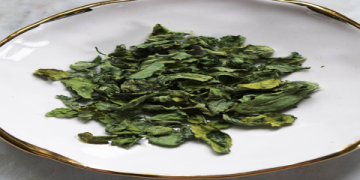
Kasoori methi refers specifically to fenugreek leaves that have been dried. The name itself has geographical roots, believed to be derived from the region of Kasur, in present-day Pakistan, which was historically famous for producing high-quality dried fenugreek. The process involves harvesting fresh methi leaves and then sun-drying them. This dehydration concentrates the flavors and alters them, reducing the raw bitterness and developing a more nuanced, savory, and aromatic character.
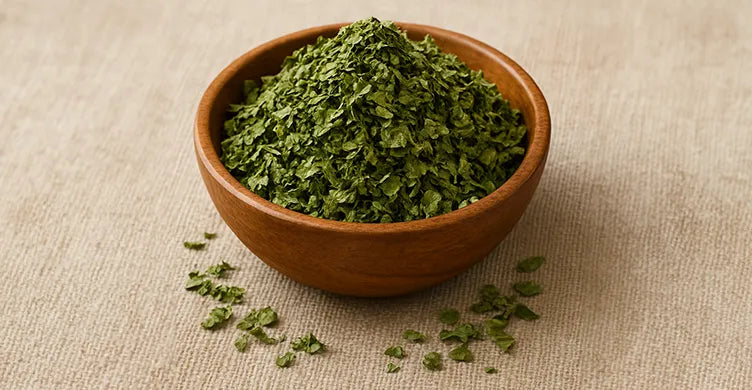
It is crucial to distinguish it from other forms of fenugreek. Fenugreek seeds are a whole different spice, used whole or ground, with a stronger, more bitter taste often found in pickles and spice blends. Fresh fenugreek leaves are used as a herb or vegetable. Kasoori methi sits uniquely between an herb and a spice a dried seasoning that provides both aroma and depth.
## Why Kasoori Methi Is a Kitchen Essential
Beyond its flavor, there are compelling reasons to keep kasoori methi in your pantry. First, it is a flavor powerhouse. A small pinch can elevate a simple lentil soup or a basic potato curry into something restaurant-quality. Second, it has impressive shelf life. Stored properly in an airtight container away from light and heat, it can last for over a year without losing its potency, unlike fresh herbs that wilt in days.
Interestingly, its use is not limited to Indian food. Innovative chefs around the world use it to add a unique savory note to bread, sprinkle it over roasted vegetables, or even incorporate it into salad dressings and cheese dishes for a surprising twist. Its versatility is vastly underrated.
## How to Use Dried Fenugreek Leaves: A Step-by-Step Guide
Using kasoori methi correctly is key to unlocking its potential. Here is a simple, foolproof method.
STEP 1: MEASURE. Typically, one to two tablespoons of dried leaves are sufficient for a curry serving four people. Start with less, as its flavor is potent.
STEP 2: CRUSH. Take the dried leaves between your clean palms and rub them gently. This crushing action releases the volatile oils and breaks the leaves into smaller pieces, maximizing surface area.
STEP 3: ACTIVATE. This is the most critical step. Do not add the crushed leaves directly at the end. Instead, add them to the hot oil or butter at the tempering stage, or stir them into a simmering gravy about 5-10 minutes before finishing the dish. The heat blooms the flavor.
STEP 4: SIMMER. Allow the dish to simmer for a few minutes after adding the kasoori methi. This lets the flavor infuse throughout the sauce or curry.
STEP 5: ADJUST. Taste your dish just before serving. If the aroma is not pronounced enough, you can add a tiny extra pinch, crushed finely, as a garnish.
COMMON MISTAKE WARNING
A frequent error is adding kasoori methi at the very end without toasting or blooming it in fat. This results in a raw, dusty flavor and a texture that can be unpleasant. Another mistake is using too much, which can make the dish unpleasantly bitter. Always remember: crush, heat, and infuse.
## Kasoori Methi vs. Fresh Fenugreek vs. Seeds: A Detailed Comparison
To fully understand kasoori methi in English contexts, it helps to see how it compares to its botanical siblings. The table below clarifies the key differences.
| Feature | Kasoori Methi (Dried Leaves) | Fresh Fenugreek Leaves | Fenugreek Seeds |
|---|---|---|---|
| FORM | Dried, crumbled leaves | Fresh, leafy greens with stems | Small, hard, amber-colored seeds |
| FLAVOR PROFILE | Concentrated, aromatic, slightly bitter, savory, hints of celery & maple | Grassy, distinctly bitter, similar to fresh celery leaves | Strongly bitter, nutty, often toasted to mellow; used as a spice |
| PRIMARY CULINARY USE | Seasoning for curries, dals, marinades; added during cooking | Herb in salads, or cooked as a vegetable (e.g., methi aloo) | Whole in pickles, ground in spice mixes (e.g., panch phoron, curry powder) |
| SUBSTITUTION RATIO | 1 tbsp dried = ~3 tbsp fresh (cooked) | 3 tbsp fresh (cooked) = 1 tbsp dried | NOT a direct substitute for leaves |
| SHELF LIFE | 1-2 years (airtight) | 3-5 days refrigerated | 2-3 years (airtight) |
## Health Benefits and Nutritional Insights
While we use kasoori methi primarily for taste, it brings a bundle of potential health benefits. Fenugreek, in all its forms, has been studied for centuries in traditional medicine. Dried fenugreek leaves are a good source of dietary fiber, iron, and vitamins like A and C. They contain compounds like diosgenin, which has been researched for various properties.
For instance, a review published in the Journal of Ethnopharmacology noted that fenugreek seeds and leaves have been used to help manage blood sugar levels. Another study highlighted its potential antioxidant properties (来源: Phytotherapy Research). It is important to note that these studies often focus on concentrated extracts, and the amount used in everyday cooking contributes to a healthy diet but is not a medicine. In our team’s experience talking with nutritionists, incorporating flavorful herbs and spices like kasoori methi is a fantastic way to reduce salt intake without sacrificing taste, a win for overall heart health.
## Where to Buy and How to Store It
Finding kasoori methi is easier than ever. Your best bet is a local Indian or South Asian grocery store, where it is sold in small plastic packets or boxes. Major supermarkets with a well-stocked international aisle often carry it. Of course, online retailers offer numerous brands. Look for brands with a vibrant green color and a strong, pleasant aroma even through the packaging.
For storage, always transfer the leaves to an absolutely airtight glass or metal container. Keep this container in a cool, dark cupboard, away from the stove or any heat source. Exposure to air, light, and heat will cause the leaves to lose their color, aroma, and flavor rapidly. Properly stored, your kasoori methi will remain a reliable flavor booster for many months.
## Final Checklist for Mastering Kasoori Methi
To ensure you get the most out of your dried fenugreek leaves, use this quick checklist.
IDENTIFY IT CORRECTLY: Know that kasoori methi in English is dried fenugreek leaves, not seeds.
CRUSH BEFORE USE: Always rub the dried leaves between your palms to release their oils.
BLOOM IN HEAT: Add the crushed leaves to hot oil or simmering gravy, not at the very end.
START SMALL: Use a conservative amount (1-2 tbsp for a large pot) and adjust to taste.
STORE PROPERLY: Keep it in an airtight container in a cool, dark place to preserve potency.
EXPERIMENT FEARLESSLY: Try it in non-traditional dishes like soups, breads, or egg scrambles.
By following this guide, you have moved far beyond a simple translation. You now possess the knowledge to select, use, and store kasoori methi like a pro, unlocking a world of authentic and deeply flavorful cooking.