





# The Ultimate Guide to Split Black Gram: Nutrition, Benefits, and How to Cook It Perfectly
Split black gram is a culinary and nutritional powerhouse, yet it often flies under the radar in Western kitchens. Known scientifically as Vigna mungo, this humble lentil is a staple in South Asian cuisine, forming the backbone of iconic dishes like dal makhani and idli batter. But what exactly is it, and why should you make it a regular part of your diet? This comprehensive guide dives deep into everything you need to know about split black gram, from its impressive health profile to foolproof cooking techniques.
We will explore its nutritional data, uncover science-backed health benefits, and provide you with a master recipe. By the end, you will not only understand this incredible legume but also be equipped to prepare it perfectly every single time.
## What Is Split Black Gram?
First, let us clarify the identity. Black gram is a small, black-skinned bean. When the whole bean is split in half, with or without its black skin, it becomes split black gram. The version with the skin is often called “whole urad dal” or “black gram with skin,” while the skinless, creamy-white split version is commonly labeled as “split and skinned black gram” or “white urad dal.” For the purpose of this guide, we focus on the widely used split and skinned variety, which cooks faster and has a milder flavor.
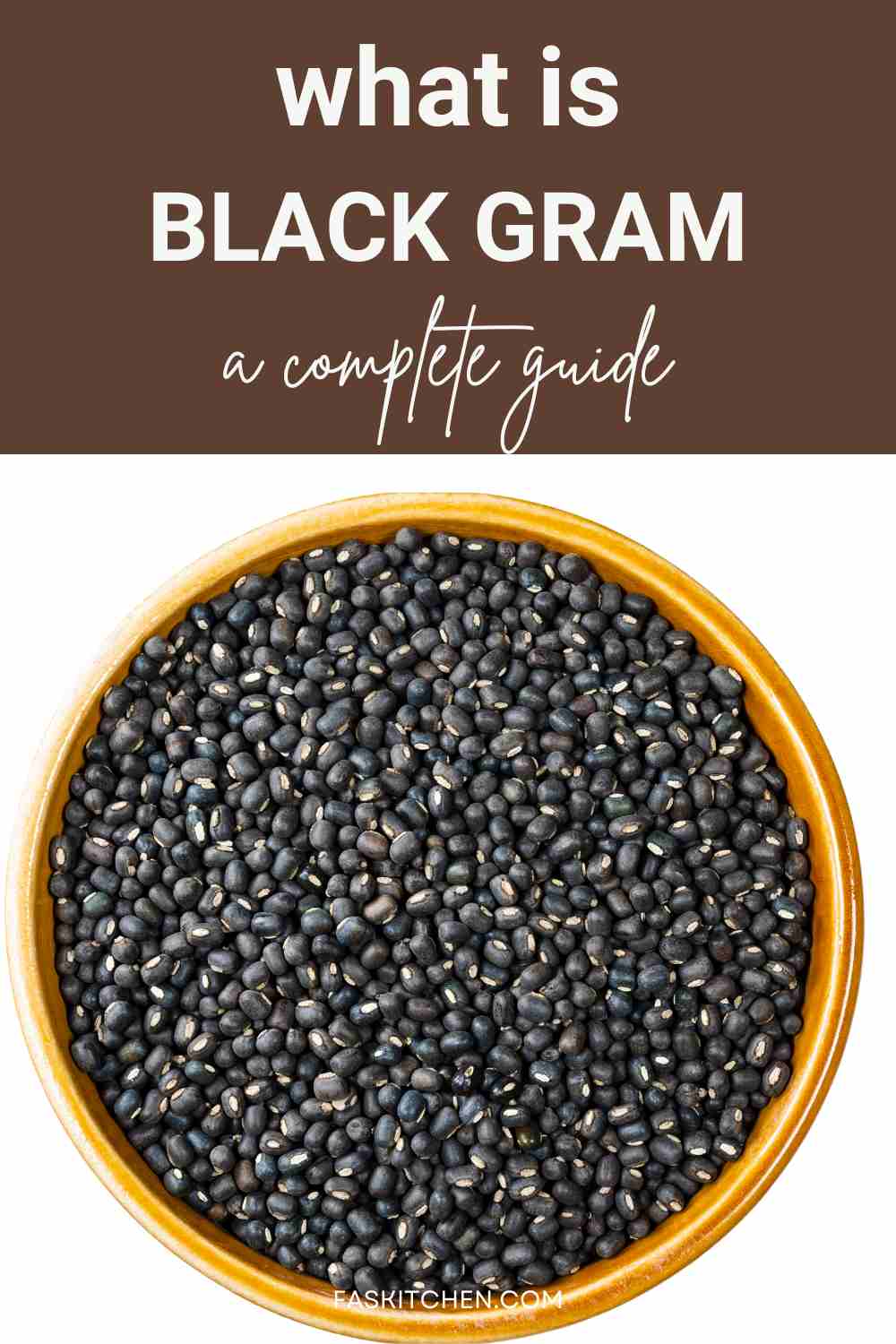
It is a fundamental ingredient across India, Pakistan, Bangladesh, and Sri Lanka. Its unique ability to ferment and become incredibly creamy when cooked makes it irreplaceable in many traditional recipes. Beyond its culinary role, it is a cornerstone of vegetarian nutrition in these regions.
## Split Black Gram Nutrition: A Closer Look
The reputation of split black gram as a health food is well-earned. It is densely packed with essential nutrients that support overall wellness. A standard one-cup (approximately 200 grams) cooked serving provides a substantial amount of your daily needs.
It is an excellent source of plant-based protein, offering about 14 grams per cup, making it crucial for muscle repair and growth. With around 15 grams of dietary fiber, it promotes digestive health and helps maintain stable blood sugar levels. It is rich in essential minerals like iron, which is vital for preventing anemia, magnesium for nerve and muscle function, potassium for heart health, and phosphorus for strong bones.
Interestingly, a study published in the Journal of Agricultural and Food Chemistry highlighted that legumes like black gram contain bioactive compounds with antioxidant and anti-inflammatory properties. This nutritional profile translates directly into tangible health benefits.
## 5 Proven Health Benefits of Urad Dal
Consuming split black gram regularly can contribute significantly to your health. Here are five key benefits supported by dietary science.
IMPROVED DIGESTIVE HEALTH: The high fiber content adds bulk to stool and acts as a prebiotic, feeding the beneficial bacteria in your gut. This promotes regular bowel movements and a healthier gut microbiome.
SUSTAINED ENERGY AND WEIGHT MANAGEMENT: The combination of complex carbohydrates, protein, and fiber results in a slow, steady release of glucose into the bloodstream. This prevents energy crashes and helps you feel full longer, reducing overall calorie intake.
HEART HEALTH SUPPORT: The fiber, potassium, and magnesium in split black gram work together to support cardiovascular health. Fiber helps manage cholesterol levels, while potassium helps regulate blood pressure.
STRONGER BONES: It is a good source of several minerals critical for bone density, including phosphorus, magnesium, and calcium. Regular consumption can contribute to maintaining strong bones as you age.
ANEMIA PREVENTION: For vegetarians and vegans, getting enough iron can be a challenge. Split black gram is a valuable plant-based source of iron, helping in the production of red blood cells and preventing iron-deficiency anemia.
## Split Black Gram vs. Other Common Lentils
How does split black gram stack up against other pantry staples like split yellow peas or red lentils? The table below provides a clear comparison.
| Attribute | Split Black Gram (Urad Dal) | Split Yellow Peas (Matar Dal) | Red Lentils (Masoor Dal) |
|---|---|---|---|
| Primary Color | Creamy white | Yellow | Orange-red |
| Texture When Cooked | Very creamy, thick | Soft, can be mushy | Soft, breaks down easily |
| Flavor Profile | Earthy, slightly nutty | Sweet, earthy | Mild, slightly sweet |
| Cooking Time (approx.) | 30-45 mins (soaked) | 20-30 mins | 15-20 mins |
| Best Used In | Dals, batters (idli/dosa), stews | Soups, purees, dals | Soups, quick dals, purees |
| Unique Property | Ferments well, becomes fluffy | Holds shape moderately | Dissolves quickly for thickening |
As you can see, split black gram is the champion for creating rich, creamy textures and is essential for fermented foods. According to my experience working with chefs specializing in Indian cuisine, its unique starch composition is what allows idli and dosa batters to rise so beautifully, a property not easily replicated with other lentils.
## How to Cook Perfect Split Black Gram: A Step-by-Step Guide
Cooking split black gram to a smooth, creamy consistency is simple if you follow these steps. This method is for a basic dal.
STEP 1: RINSE AND SOAK. Measure one cup of split black gram. Place it in a bowl and rinse under cold water 2-3 times until the water runs mostly clear. Then, cover with 3 cups of fresh water and soak for 30 minutes to an hour. Soaking reduces cooking time and makes the lentils more digestible.
STEP 2: DRAIN AND COMBINE. Drain the soaking water. Transfer the drained dal to a medium pot. Add 3 cups of fresh water, a pinch of turmeric, and a teaspoon of salt.
STEP 3: BRING TO A BOIL. Place the pot over high heat and bring to a rolling boil. Skim off any white foam that rises to the top with a spoon.
STEP 4: SIMMER UNTIL TENDER. Once boiling, reduce the heat to low, partially cover the pot, and let it simmer gently for 30 to 45 minutes. Stir occasionally to prevent sticking. The dal is done when it is very soft and easily mashes between your fingers.
STEP 5: TEMPER THE SPICES. In a small separate pan, heat two tablespoons of oil or ghee. Add one teaspoon of cumin seeds and let them sizzle. Add two minced garlic cloves, one chopped onion, and one chopped tomato. Cook until soft. Add a teaspoon of garam masala, then pour this entire fragrant mixture (called a “tadka”) into the cooked dal. Stir well, simmer for 5 more minutes, and serve.
## Common Mistakes and How to Avoid Them
Even experienced cooks can run into issues with legumes. Here are the most common pitfalls when working with split black gram and how to sidestep them.
MISTAKE 1: NOT RINSING BEFORE SOAKING. Rinsing removes surface dust and any residues. Skipping this can result in a gritty texture in your final dish.
MISTAKE 2: USING THE SOAKING WATER TO COOK. The soaking water contains phytic acid and oligosaccharides leached from the dal, which can cause digestive discomfort for some people. Always drain and use fresh water for cooking.
MISTAKE 3: ADDING ACID TOO EARLY. Ingredients like tomatoes, lemon juice, or vinegar will prevent the dal from softening if added at the beginning. Always cook the dal until completely tender first, then add acidic components.
MISTAKE 4: INADEQUATE SIMMERING. A rapid boil will cause the dal to break apart unevenly and may scorch at the bottom. A gentle, patient simmer is key to achieving a uniformly creamy texture.
MISTAKE 5: SKIPPING THE TEMPERING (TADKA). This final step is not just optional; it is essential in South Asian cooking. It infuses the cooked dal with layered, aromatic flavors from the heated spices and transforms it from simple to sublime.
## Incorporating Split Black Gram Into Your Diet
Beyond classic dal, this versatile ingredient can be used in numerous creative ways. You can blend cooked split black gram into soups and stews as a natural thickener and protein booster. Mix it with rice, vegetables, and spices to make nutritious cutlets or burgers. Use it as a high-protein base for salads, similar to chickpeas. Of course, you can also venture into making homemade fermented dosa or idli batter, though that requires combining it with rice and a longer fermentation process.
The global pulses market, which includes black gram, is projected to grow significantly, driven by rising health consciousness and demand for plant-based proteins (source: IMARC Group Market Report). This trend makes now the perfect time to explore this ancient staple.
## Your Split Black Gram Mastery Checklist
To ensure you get the most out of this guide, use this actionable checklist. Remember these key points for your next culinary adventure.
IDENTIFY THE CORRECT PRODUCT: Look for “split and skinned black gram,” “white urad dal,” or “dhuli urad dal” at your local Indian grocery or online.
ALWAYS RINSE AND SOAK: Dedicate time to rinsing thoroughly and soaking for at least 30 minutes.
COOK WITH FRESH WATER: Never cook with the water used for soaking.
SIMMER, DO NOT BOIL: Maintain a gentle simmer for even cooking and perfect texture.
SEASON AND TEMPER AT THE END: Add salt during cooking, but save acidic ingredients and the final spice tempering for after the dal is fully soft.
EXPERIMENT BEYOND DAL: Try using it as a thickener, in burgers, or mixed into grain bowls.
STORE PROPERLY: Keep uncooked split black gram in an airtight container in a cool, dark pantry. Cooked dal can be refrigerated for 3-4 days or frozen for up to 3 months.
By understanding its value and mastering its preparation, split black gram can become a cherished ingredient in your kitchen, offering both profound flavor and foundational nutrition.