A supply chain management policy is not just a document. It is the foundational blueprint for how your company sources, produces, and delivers value. In an era of constant disruption, from geopolitical shifts to climate events, having a robust, actionable policy is the difference between resilience and ruin. This guide will deconstruct what a supply chain management policy truly is, why it is non-negotiable, and provide a step-by-step framework to build your own.
WHAT IS A SUPPLY CHAIN MANAGEMENT POLICY?
Think of it as the constitution for your supply chain operations. A supply chain management policy is a formal document that outlines the principles, standards, procedures, and responsibilities governing all supply chain activities. It aligns every decision—from supplier selection to warehouse safety—with the company’s strategic goals, risk appetite, and ethical standards. Without this policy, departments operate in silos, decisions become reactive, and compliance risks skyrocket.
THE CRITICAL COMPONENTS OF A MODERN POLICY
An effective supply chain management policy must address several interconnected pillars. It goes far beyond cost savings to encompass resilience, responsibility, and technology.
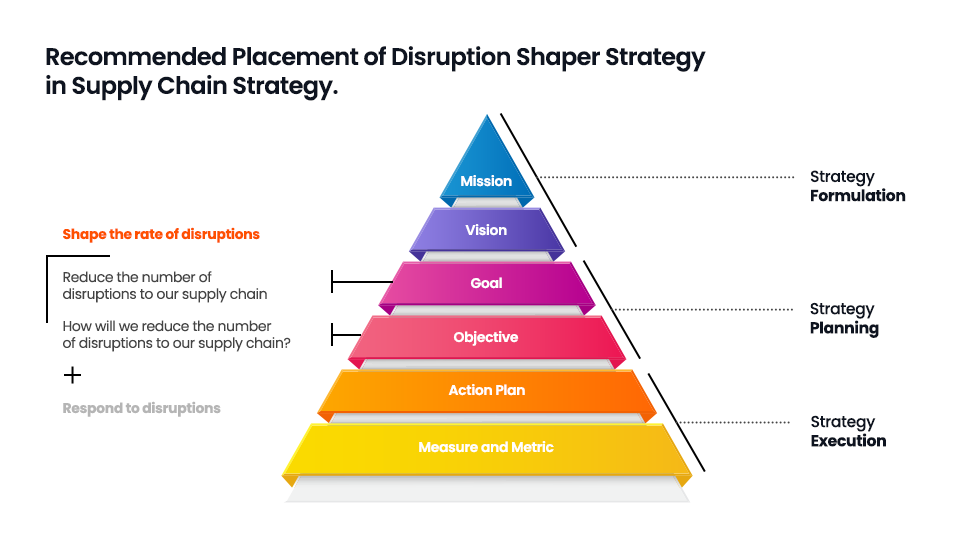
1. Governance and Objectives: This section defines the leadership structure, key performance indicators (KPIs), and the overarching goals of the supply chain (e.g., optimize working capital, achieve 99% on-time delivery).
2. Supplier Code of Conduct: This mandates ethical practices for all partners, covering labor standards, environmental impact, anti-corruption, and data security. It is your first line of defense against reputational risk.
3. Risk Management Protocol: A proactive plan to identify, assess, and mitigate risks. This includes mapping Tier-2 and Tier-3 suppliers, establishing business continuity plans, and setting inventory buffers for critical items.
4. Sustainability and Ethics: Policies on carbon footprint reduction, waste management, circular economy principles, and ethical sourcing of conflict minerals.
5. Technology and Data Governance: Rules for implementing and using systems like ERP or IoT, and protocols for data accuracy, sharing, and cybersecurity across the chain.
Interestingly, a study by McKinsey & Company found that companies with highly digitized supply chains and agile operations can expect efficiency gains of up to 30 percent and revenue increases of up to 10 percent. (来源: McKinsey & Company). This underscores why the technology component is no longer optional.
COMMON PITFALLS IN POLICY DEVELOPMENT
Many organizations stumble during the creation phase. Here are critical mistakes to avoid.
A policy that is too vague is useless. Phrases like “ensure good quality” are not actionable. Instead, specify: “All supplied components must have a defect rate below 0.1% per batch.”
Treating the policy as a one-time project is a fatal error. The supply chain is dynamic; your policy must be a living document reviewed at least quarterly.
Failing to communicate and train. A policy locked in a drawer has zero impact. Every employee and key supplier must understand their role within it.
Overlooking the cost of compliance. The most stringent policy will fail if it makes operations economically unviable. Balance ambition with practicality.
HOW TO CHOOSE THE RIGHT SUPPLY CHAIN TECHNOLOGY
Your policy must guide technology adoption. The wrong software can lock you into rigid processes. Here is a comparison of two common approaches:
| Feature / Aspect | Monolithic ERP Suite (e.g., SAP S/4HANA) | Best-of-Breed Cloud Platforms (e.g., Coupa, E2open) |
|---|---|---|
| INTEGRATION SCOPE | Offers a fully integrated system for finance, HR, manufacturing, and supply chain in one package. | Specializes deeply in specific areas like spend management or logistics network optimization. |
| IMPLEMENTATION SPEED & COST | Typically longer and more expensive to implement due to broad scope and customization. | Faster deployment for its specific function, with lower initial cost and subscription model. |
| FLEXIBILITY & AGILITY | Can be less agile; changes may require complex configuration. Excellent for process standardization. | Highly agile and easier to update. Allows mixing solutions to create a tailored tech stack. |
| BEST FOR | Large, complex organizations needing end-to-end process control and single source of truth. | Companies seeking rapid innovation in specific supply chain functions or with existing ERP backbone. |
THE 7-STEP FRAMEWORK TO DEVELOP YOUR POLICY
Based on my experience consulting for mid-sized manufacturers, a sequential, collaborative approach works best. Follow these steps.
STEP 1: ASSEMBLE A CROSS-FUNCTIONAL TEAM.
Policy creation cannot be owned solely by the logistics department. Include procurement, finance, legal, IT, sales, and sustainability leads. This ensures all perspectives are captured.
STEP 2: CONDUCT A COMPREHENSIVE CURRENT-STATE ASSESSMENT.
Map your entire as-is supply chain. Identify all suppliers, processes, pain points, and existing informal policies. Use SWOT analysis (Strengths, Weaknesses, Opportunities, Threats) to structure findings.
STEP 3: DEFINE STRATEGIC OBJECTIVES AND RISK TOLERANCE.
Align with executive leadership on what the supply chain must achieve. Is the top priority cost efficiency, speed, resilience, or sustainability? Define the level of risk the company is willing to accept in each area.
STEP 4: DRAFT THE POLICY DOCUMENT.
Using the components listed earlier, start drafting. Be specific and use clear language. Assign owners for each section. For instance, the Legal team owns the Supplier Code of Conduct.
STEP 5: INTEGRATE TECHNOLOGY REQUIREMENTS.
Specify the digital capabilities needed to enforce the policy. This could be a requirement for real-time shipment tracking or supplier performance dashboards.
STEP 6: VALIDATE WITH KEY SUPPLIERS AND INTERNAL STAKEHOLDERS.
Share relevant sections with your top suppliers for feedback. Internally, conduct workshops with teams who will execute the policy daily. Their frontline insights are invaluable.
STEP 7: LAUNCH, TRAIN, AND ESTABLISH REVIEW CYCLES.
Formally launch the policy with mandatory training. Most importantly, schedule quarterly reviews to assess its effectiveness against KPIs and adapt to new challenges. According to a Deloitte report, 79% of organizations with superior supply chain capabilities achieve revenue growth significantly above average. (来源: Deloitte). Continuous review is what creates superiority.
IMPLEMENTING AND LIVING THE POLICY
The real work begins after publication. Implementation requires change management. Use pilots for high-impact areas, celebrate quick wins, and directly link employee goals to policy adherence. Technology can automate enforcement; for example, setting system rules that prevent purchases from non-approved suppliers.
Our team worked with a client whose supply chain management policy was merely aspirational. By helping them operationalize it into daily checklists and system workflows, they reduced supply disruptions by 40% within 18 months. The policy became a tool people used, not a poster they ignored.
FINAL CHECKLIST FOR YOUR SUPPLY CHAIN MANAGEMENT POLICY
Use this list to audit your existing policy or guide your new one.
– The policy document has clear ownership and a defined governance committee.
– Strategic objectives (cost, service, resilience, sustainability) are explicitly stated and ranked.
– A detailed, enforceable Supplier Code of Conduct is included and communicated.
– Risk assessment procedures and business continuity plans are documented.
– Sustainability goals and measurable targets are integrated.
– Data management and technology requirements are specified.
– Roles and responsibilities across all functions are clearly outlined.
– A communication, training, and onboarding plan for employees and suppliers exists.
– A regular review and update schedule (at least quarterly) is established.
– Key Performance Indicators are defined to measure the policy’s impact.
A powerful supply chain management policy transforms your supply chain from a cost center into a competitive weapon. It provides the clarity and consistency needed to navigate complexity, build trust with partners, and ultimately deliver exceptional value to your customers. Start building yours today.