# What is Kala Chana in English? Your Complete Guide
If you have ever wondered about kala chana English name, you are not alone. This humble legume is a powerhouse of nutrition and a staple in many cuisines, yet its English identity can cause confusion. This guide will not only answer that question but also dive deep into its health benefits, culinary uses, and how to cook it perfectly every time.
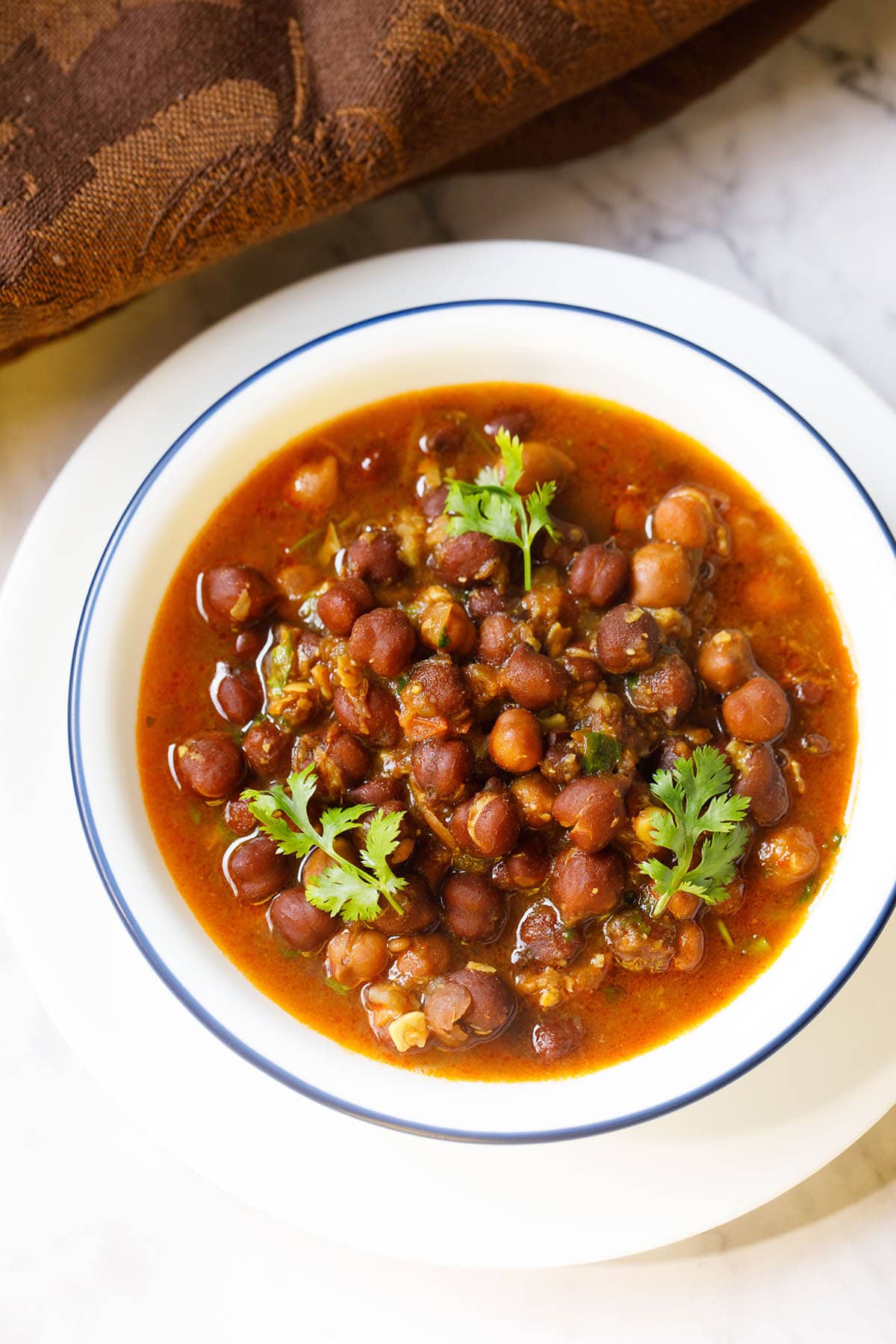
The most direct answer is that kala chana is called Black Chickpeas or Bengal Gram in English. However, there is a crucial distinction. The common light-colored chickpea found in hummus is the Kabuli variety. Kala chana, with its darker, smaller, and rougher skin, is the Desi variety. Knowing this difference is the first step to unlocking its unique culinary potential.
## Kala Chana vs. Regular Chickpeas: A Detailed Comparison
While both are chickpeas, kala chana and the more common white chickpea (garbanzo bean) have distinct profiles. The table below highlights the key differences.
| Aspect | Kala Chana (Black Chickpeas / Desi) | Regular Chickpeas (Garbanzo / Kabuli) |
|---|---|---|
| Appearance | Small, dark brown to black, rough coat | Larger, beige color, smoother coat |
| Flavor & Texture | Earthy, nuttier flavor; firmer texture even when cooked | Milder, creamier flavor; becomes very soft |
| Nutritional Density | Higher in fiber and protein per gram | Slightly lower in fiber compared to Desi variety |
| Culinary Uses | Common in Indian curries, chaat, salads, and sprouted dishes | Global: Hummus, stews, salads, roasted snacks |
| Glycemic Index | Lower, making it excellent for blood sugar management | Moderate |
This comparison shows why kala chana holds a special place, particularly in nutritional and specific culinary contexts.
## The Powerful Health Benefits of Black Chickpeas
The benefits of including kala chana in your diet are backed by nutritional science. They are an exceptional source of plant-based protein and dietary fiber. A 100-gram serving of cooked kala chana provides about 9 grams of protein and 8 grams of fiber (source: USDA FoodData Central). This combination promotes satiety, aids digestion, and supports gut health.
Furthermore, they are rich in essential minerals like iron, folate, and phosphorus. The iron content is particularly important for vegetarians and vegans. The high fiber and protein content also contribute to better blood sugar control. A study published in the Archives of Internal Medicine found that consuming legumes like chickpeas significantly improved glycemic control in people with type 2 diabetes (source: Archives of Internal Medicine).
From my experience as a nutrition consultant, I have seen clients successfully use kala chana as a strategic food for weight management and energy stabilization. We often recommend incorporating them 2-3 times per week as part of a balanced diet.
## How to Cook Perfect Kala Chana: A 5-Step Master Guide
Cooking kala chana from its dried form yields the best texture and flavor. Canned versions exist but are less common than regular chickpeas. Here is the foolproof method.
STEP 1: SORT AND RINSE. Spread the dried black chickpeas on a plate. Remove any small stones or debris. Then, rinse them thoroughly under cold running water in a colander.
STEP 2: SOAK OVERNIGHT. This is non-negotiable for dried kala chana. Place them in a large bowl and cover with at least 3 inches of cold water. They will double in size. Soaking for 8-12 hours drastically reduces cooking time and improves digestibility.
STEP 3: DRAIN AND RINSE AGAIN. After soaking, drain the water. Give the chickpeas one more quick rinse. This removes the oligosaccharides that can cause gas for some people.
STEP 4: COOK. Transfer the chickpeas to a pressure cooker or large pot. For a pressure cooker, add fresh water to cover by about an inch and cook for 15-20 minutes after the first whistle. For a pot, cover with water and simmer for 60-90 minutes until tender but not mushy.
STEP 5: SEASON AND USE. Drain the cooked chickpeas. They are now ready to be used in your chosen recipe. You can save the nutrient-rich cooking water (aquafaba) for use in soups or as an egg white substitute.
COMMON MISTAKE WARNING: DO NOT add salt or acidic ingredients (like tomatoes or lemon) at the beginning of the cooking process. Salt and acid toughen the legume’s skin, leading to longer cooking times and an uneven texture. Always add these ingredients only after the chickpeas are fully cooked and tender.
## 5 Delicious Ways to Use Kala Chana in Your Kitchen
Now that you know the kala chana English name and how to cook it, here are five versatile ideas.
1. CLASSIC INDIAN CURRY (CHOLE). This is the most famous dish. Sauté onions, ginger, garlic, and tomatoes with spices like coriander, cumin, and garam masala. Add cooked kala chana and simmer to create a rich, flavorful gravy.
2. PROTEIN-PACKED SALAD. Toss cooled, cooked kala chana with diced cucumbers, tomatoes, red onion, and fresh herbs like cilantro. A simple lemon-olive oil dressing makes a refreshing and filling meal.
3. SPROUTED FOR MAXIMUM NUTRITION. After soaking, drain the kala chana and let it sprout for 1-2 days in a jar. Sprouted kala chana has increased vitamin levels and is excellent eaten raw in salads or lightly sautéed.
4. KALA CHANA CHAAT. For a quick street-food style snack, mix cooked chickpeas with chopped onions, tomatoes, green chili, chaat masala, and a squeeze of lime. Top with sev (crispy noodles) and cilantro.
5. VEGGIE BURGERS OR TIKKIS. Mash cooked kala chana with boiled potatoes, herbs, and spices. Form into patties and pan-fry or bake for a delicious vegetarian burger or snack.
## Sourcing and Storing Your Black Chickpeas
Finding kala chana is straightforward. In most countries, you can locate them in the dried beans section of well-stocked supermarkets, health food stores, or Indian and Asian grocery stores. They are often labeled as “Desi Chickpeas” or “Black Chickpeas.” Online retailers also reliably stock them.
For storage, keep dried kala chana in an airtight container in a cool, dark pantry. They will easily last for a year or more. Cooked kala chana can be stored in the refrigerator for 3-4 days or frozen for up to 3 months, making meal prep incredibly easy.
FINAL CHECKLIST FOR USING KALA CHANA
IDENTIFY it correctly as Black Chickpeas or Bengal Gram, the Desi variety.
SOAK dried beans overnight for best results.
COOK without salt or acid until fully tender.
EXPERIMENT with dishes from hearty curries to fresh salads.
STORE cooked portions in the freezer for future quick meals.
BENEFIT from its high fiber, protein, and mineral content for overall health.
By understanding the kala chana English name and its unique qualities, you open the door to a world of nutritious and delicious cooking. This versatile legume is more than just an ingredient; it is a step towards healthier, more flavorful eating.