




A transportation chain is the backbone of global commerce. It is the interconnected sequence of processes and decisions that moves a product from its origin to its final destination. While the concept seems straightforward, the modern transportation chain is a complex, data-driven ecosystem. Optimizing it is no longer a luxury but a necessity for survival and growth. This guide will break down its components, challenges, and provide a clear roadmap for improvement.
# What is a Transportation Chain? Beyond Trucks and Ships
At its core, a transportation chain encompasses all the physical movements and logistical coordination required in a supply chain. It is not just about shipping. It includes the planning, execution, and management of moving goods via road, rail, air, and sea. Key activities involve carrier selection, route planning, freight consolidation, tracking, and last-mile delivery. The goal is to achieve the right balance between cost, speed, and reliability.
Think of it as a relay race. The baton (your product) must pass seamlessly between different runners (transport modes and handlers). A stumble at any point delays the entire race. A robust transportation chain ensures a smooth, efficient handoff every time.
# The Critical Components of a Modern Transportation Chain
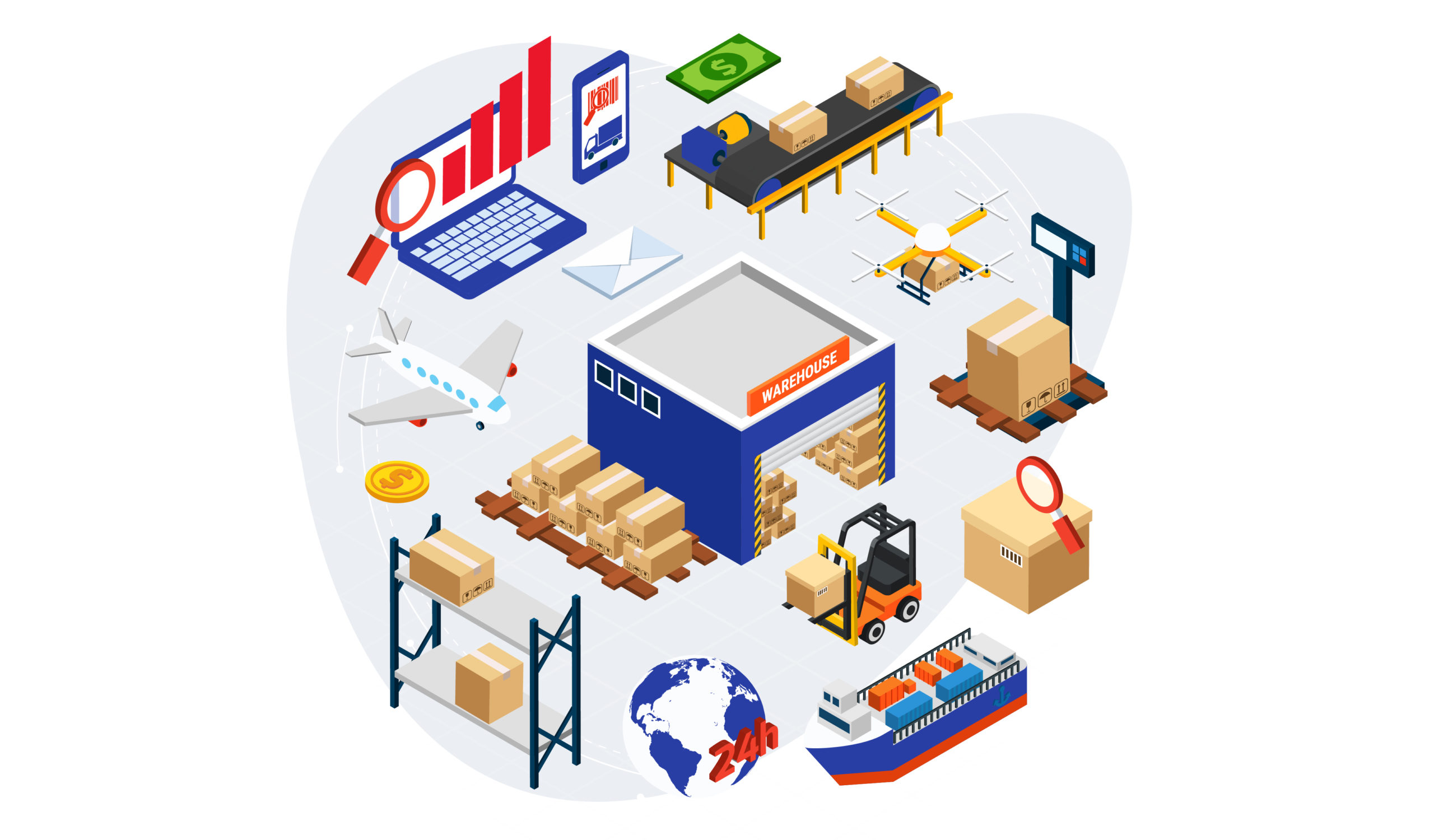
Understanding the moving parts is the first step toward mastery. A modern system relies on several integrated components.
PROCUREMENT AND PLANNING: This is the strategic layer. It involves forecasting demand, planning inventory levels, and determining the most efficient modes and routes before any goods move.
EXECUTION AND VISIBILITY: This is the tactical layer. It covers the actual booking of carriers, managing documents (like bills of lading), and, crucially, real-time tracking. Visibility into where a shipment is and its condition is now expected.
FINAL-MILE DELIVERY: Often the most expensive and customer-facing leg. This involves getting the parcel from a local distribution center to the customer’s doorstep. Efficiency here directly impacts customer satisfaction.
TECHNOLOGY AND DATA ANALYTICS: The nervous system of the chain. Transportation Management Systems (TMS), IoT sensors, and AI-powered analytics platforms are what transform a simple chain into an intelligent, responsive network.
# Top Challenges Facing Transportation Chains Today
Even the best-designed chains face significant headwinds. Recognizing these is half the battle.
CAPACITY FLUCTUATIONS AND COSTS: Freight rates are notoriously volatile, influenced by fuel prices, seasonal demand, and global events. Securing reliable capacity at a reasonable cost is a constant struggle.
LACK OF END-TO-END VISIBILITY: Many companies still suffer from blind spots, especially when shipments transfer between carriers or modes. This lack of transparency makes proactive problem-solving impossible.
INEFFICIENT ROUTING AND MODE SELECTION: Using the wrong mode (e.g., air freight when ground would suffice) or a suboptimal route wastes money and time. Manual planning often fails to capture the dynamic variables at play.
REGULATORY COMPLIANCE AND SUSTAINABILITY PRESSURES: Regulations around emissions, driver hours, and cross-border trade are ever-changing. Simultaneously, consumers and investors demand greener logistics practices, adding a new layer of strategic complexity.
# Transportation Chain vs. Supply Chain: A Crucial Distinction
People often use these terms interchangeably, but they are distinct. The supply chain is the entire, end-to-end process from raw material sourcing to product delivery to the end consumer. It includes manufacturing, warehousing, procurement, and more.
The transportation chain is a vital subset. It is specifically focused on the movement and storage of goods within that broader supply chain. You can think of the supply chain as the entire body, and the transportation chain as the circulatory system that keeps it alive.
| Aspect | Transportation Chain | Supply Chain |
|---|---|---|
| PRIMARY FOCUS | Movement and storage of goods | End-to-end flow of goods, information, and finances |
| KEY ACTIVITIES | Carrier management, routing, freight audit, tracking | Demand planning, sourcing, manufacturing, inventory management |
| MAIN METRIC | On-time delivery rate, freight cost per unit | Total landed cost, cash-to-cash cycle time |
| TECHNOLOGY CORE | Transportation Management System (TMS) | Enterprise Resource Planning (ERP), Advanced Planning Systems |
# The 7-Step Action Plan to Optimize Your Transportation Chain
Optimization is a continuous process, not a one-time project. Follow this actionable, seven-step guide.
STEP 1: CONDUCT A COMPREHENSIVE AUDIT. Map your current transportation chain in detail. Gather data on lanes, volumes, modes used, costs, and on-time performance for at least the past 12 months. You cannot improve what you do not measure.
STEP 2: IMPLEMENT A TRANSPORTATION MANAGEMENT SYSTEM (TMS). For most businesses, this is the single biggest lever for improvement. A modern TMS automates procurement, plans optimal routes, provides visibility, and simplifies freight audit and payment. According to a 2023 study by Gartner, companies using a TMS reduce freight costs by 5% to 10% on average (来源: Gartner).
STEP 3: DIVERSIFY YOUR CARRIER NETWORK. Over-reliance on a few carriers is a major risk. Develop a strategic mix of asset-based carriers, brokers, and digital freight marketplaces. This builds resilience and gives you negotiating power.
STEP 4: MASTER DATA ANALYTICS. Use the data from your TMS and other systems to identify patterns. Which lanes are consistently expensive? Where do delays most often occur? Analytics turn raw data into actionable insights for continuous improvement.
STEP 5: OPTIMIZE PACKAGING AND LOADING. This is a frequently overlooked area. Right-sizing packaging reduces dimensional weight charges. Proper pallet loading maximizes trailer space, reducing the number of trips needed. In our team’s experience, a focused packaging review can yield a 3-7% reduction in transportation costs without any change in carriers.
STEP 6: PRIORITIZE VISIBILITY AND COMMUNICATION. Invest in tools that provide real-time tracking and proactive alerts. Share this visibility with your customers. Proactive communication about delays builds more trust than reactive excuses.
STEP 7: EMBRACE SUSTAINABILITY METRICS. Start measuring your carbon footprint per shipment. Explore mode shifts (rail vs. truck), route optimization to reduce miles, and partnerships with carriers that have green fleets. This is becoming a competitive advantage.
# Common Pitfalls and How to Avoid Them
WARNING: AVOID THESE TRANSPORTATION CHAIN MISTAKES
A focus solely on the lowest freight rate is a classic error. The cheapest carrier often has hidden costs in the form of poor service, damages, and delays that disrupt your entire operation. Total cost of ownership, which includes these hidden factors, is the true metric.
Another major pitfall is treating transportation as a purely tactical, back-office function. In today’s world, it is a strategic lever for customer satisfaction and cost management. Failing to integrate transportation planning with sales and inventory planning leads to stockouts or excessive expedited shipping costs.
Finally, neglecting technology is a path to obsolescence. Manual processes and spreadsheets cannot scale or compete with AI-driven, automated systems. The initial investment in a TMS pays for itself many times over in hard and soft savings.
# The Future: AI, Automation, and Elastic Logistics
The transportation chain of tomorrow will be predictive and self-adjusting. Artificial Intelligence will forecast disruptions and suggest alternative routes in real-time. Autonomous vehicles and drones will become more prevalent in specific segments, particularly in warehousing and final-mile delivery.
Furthermore, the concept of “elastic logistics” will take hold. Cloud-based TMS platforms and on-demand digital freight networks will allow companies to scale their transportation capacity up or down instantly, much like computing resources, to match demand fluctuations perfectly. A 2024 report by McKinsey estimates that AI-driven logistics optimization could generate $1.3 trillion to $2 trillion in annual economic value for the global supply chain industry by 2030 (来源: McKinsey & Company).
# Your Transportation Chain Optimization Checklist
Use this list to assess your current state and guide your next steps.
– Completed a full data audit of all shipping lanes and costs.
– Researched and selected a suitable Transportation Management System (TMS).
– Built a diversified portfolio of carrier partners.
– Established key performance indicators for on-time delivery and cost.
– Implemented a process for regular packaging and load optimization reviews.
– Enabled real-time shipment tracking and customer communication protocols.
– Started measuring and reporting on sustainability metrics.
– Assigned strategic ownership of the transportation chain to a senior leader.
By methodically working through this guide and checklist, you will transform your transportation chain from a cost center into a reliable, efficient, and competitive engine for your business. The journey requires commitment, but the rewards in resilience, customer satisfaction, and profitability are substantial.