




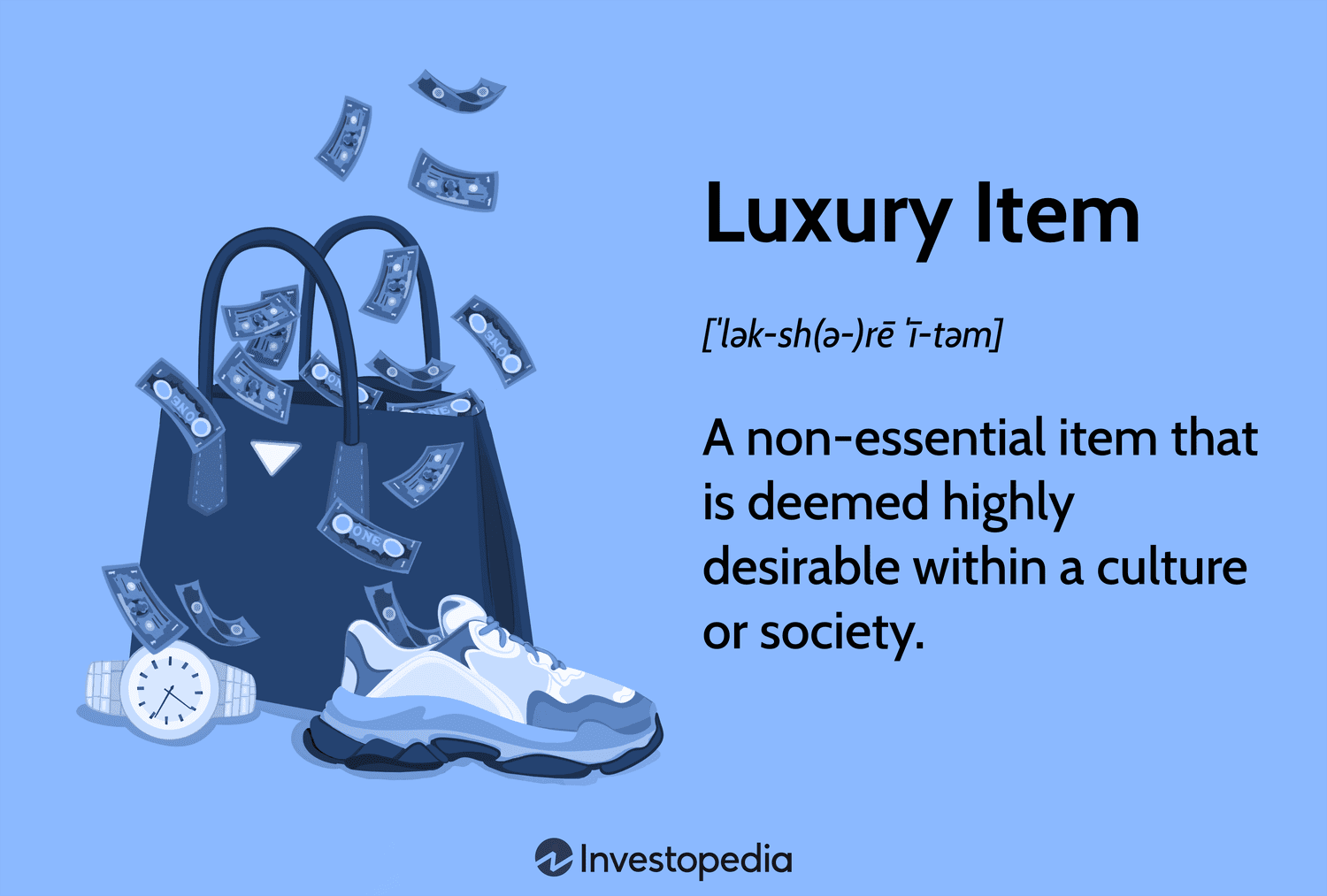
What exactly defines a luxury good? Is it simply a high price tag, a famous logo, or something more profound? The luxury goods definition is often misunderstood, reduced to mere extravagance. In reality, it is a complex blend of economics, psychology, craftsmanship, and cultural value. This guide will dissect the true meaning of luxury, moving beyond cliches to provide a clear, authoritative framework. We will explore the key characteristics, examine different types of luxury, and reveal how this powerful market operates. Understanding this definition is crucial for consumers, marketers, and anyone fascinated by the allure of high-end brands.
At its core, the definition of a luxury good hinges on fundamental economic principles. Luxury items defy standard demand curves. For most products, demand decreases as price increases. Luxury goods often exhibit the opposite, a phenomenon known as the Veblen Effect. Higher prices can make them more desirable because they signal exclusivity and status. This is a key differentiator in any serious discussion about the luxury goods meaning. Another economic hallmark is high income elasticity of demand. This means that as consumer income rises, the demand for these goods increases at a disproportionately higher rate. Essentials like bread have low elasticity; your consumption does not double if your income doubles. With luxury, it often does.
To crystallize the luxury goods definition, we must identify its non-negotiable attributes. These pillars separate true luxury from premium or mass-market products.
CRAFTSMANSHIP AND QUALITY: This is the foundational pillar. Luxury items are typically made with exceptional materials, superior techniques, and meticulous attention to detail. The production process often involves significant handiwork by skilled artisans. The focus is on longevity and perfection, not cost-cutting or mass production.
EXCLUSIVITY AND SCARCITY: True luxury is not readily available to everyone. Scarcity is carefully managed through limited editions, controlled distribution, bespoke services, or simply very high pricing. This artificial or natural scarcity fuels desire and protects the brand’s elite positioning.
HERITAGE AND STORYTELLING: A rich brand narrative is paramount. History, tradition, and a compelling origin story add intangible value. This heritage provides authenticity and emotional depth that new brands struggle to replicate overnight.
BRAND PRESTIGE AND RECOGNITION: The brand name itself carries immense weight. It symbolizes a lifestyle, an aspiration, and a social marker. The prestige is cultivated over decades through consistent quality, iconic designs, and strategic marketing.
EMOTIONAL VALUE AND EXPERIENCE: The purchase is about the feeling, not just the function. It delivers pleasure, pride, and a sense of belonging. The entire customer journey—from the boutique ambiance to personalized service—is part of the product.
Luxury is not a monolith. Understanding its categories helps refine the luxury goods definition further. The main segments include:
PERSONAL LUXURY: This is the most visible category, encompassing fashion apparel, leather goods, watches, jewelry, and accessories. Brands like Louis Vuitton and Rolex dominate here.
EXPERIENTIAL LUXURY: This includes ultra-luxury travel, fine dining at Michelin-starred restaurants, exclusive wellness retreats, and private events. The product is an unforgettable memory or experience.
AUTOMOTIVE AND YACHTING: High-performance sports cars, luxury sedans, and superyachts represent major investments in engineering, design, and status.
PRIVATE AVIATION AND REAL ESTATE: The pinnacle of luxury, focusing on ultimate privacy, time-saving, and unparalleled comfort.
FINE ART AND COLLECTIBLES: This includes paintings, sculptures, vintage wines, and rare artifacts. Value is driven by artist reputation, provenance, and extreme scarcity.
A common mistake is conflating “premium” with “luxury.” The table below clarifies the critical distinctions.
| Feature | Luxury Goods | Premium Goods |
|---|---|---|
| Core Driver | Desire, emotional value, status | Enhanced functionality, superior quality |
| Price Relation | Price is part of the appeal (Veblen Effect) | Higher price reflects better materials/performance |
| Availability | Strategically scarce, exclusive distribution | Widely available through selected retailers |
| Brand Role | The brand is the primary product; logo has high value | Brand supports the product’s quality promise |
| Example | Handmade Swiss watch, Haute Couture gown | High-end smartphone, Quality kitchen appliance |
The global luxury market is a testament to the power of this definition. Despite economic fluctuations, it demonstrates remarkable resilience. According to Bain & Company’s 2023 report, the personal luxury goods market reached approximately 1.5 trillion euros globally. (来源: Bain & Company Luxury Study 2023). Interestingly, a significant and growing portion of this market is now driven by Generation Z and Millennial consumers, who will account for an estimated 70% of the market by 2025. (来源: Bain & Company Luxury Study 2023). This shift forces brands to balance timeless heritage with digital innovation and sustainability concerns.
So, how do you critically evaluate if something fits the true luxury goods definition? Follow this five-step mental framework.
STEP 1: INTERROGATE THE CRAFTSMANSHIP. Research how the item is made. Is there evidence of artisanal skill, rare materials, or innovative, time-intensive techniques? Mass production is a red flag.
STEP 2: ASSESS THE BRAND NARRATIVE. What is the brand’s history? Does it have a authentic story of craftsmanship, innovation, or artistic vision? A deep, credible heritage adds immense intangible value.
STEP 3: ANALYZE THE DISTRIBUTION MODEL. Where can you buy it? Is it available in every department store or only in select flagship boutiques? True luxury controls its access points fiercely.
STEP 4: EVALUATE THE EMOTIONAL PAYOFF. Be honest about your motivation. Are you buying it primarily for the status symbol, or for the genuine joy of owning a beautifully made object? Both are valid, but understanding this is key.
STEP 5: CONSIDER LONG-TERM VALUE. Does the product have a reputation for durability, timeless design, or even appreciation in value (like certain watches or art)? Luxury is often an investment, not just a consumption.
A major pitfall in understanding luxury is the “Logo Trap.” Do not equate luxury solely with prominent branding. In fact, for many connoisseurs, the highest form of luxury is “quiet” or “stealth” luxury. This involves exceptional quality and craftsmanship without overt logos. The value is understood by a knowing few, which creates a different, often more refined, layer of exclusivity. The focus shifts entirely to material, cut, and feel rather than brand proclamation. Relying only on logo visibility is a superficial and often inaccurate way to apply the luxury goods definition.
Based on my experience consulting for retail brands, the most successful luxury companies treat their definition as a sacred blueprint. Every decision—from material sourcing to store design to Instagram posts—is filtered through those core pillars of craftsmanship, exclusivity, and heritage. We have seen brands dilute their value by chasing short-term sales through outlet overexpansion or logo overexposure, only to spend years rebuilding their exclusive image. The modern challenge is authentically integrating digital channels without compromising the aura of exclusivity. It is a delicate, but essential, balance.
The definition of luxury goods is dynamic, evolving with culture and technology. However, its essence remains anchored in superior craftsmanship, controlled scarcity, and profound emotional resonance. It is an economic anomaly and a cultural symbol. By moving beyond price and prestige to appreciate the artistry, heritage, and experience, we gain a deeper understanding of one of the world’s most fascinating markets. This comprehensive framework should equip you to identify true luxury, make informed choices, and engage in more meaningful discussions about its role in our world.
CHECKLIST FOR APPLYING THE LUXURY GOODS DEFINITION:
ITEM ONE: Confirm the item demonstrates exceptional, non-mass-produced craftsmanship.
ITEM TWO: Verify the brand possesses a credible and rich heritage or story.
ITEM THREE: Check that the product’s distribution and availability are intentionally limited.
ITEM FOUR: Identify the primary emotional or status-based value driving the desire.
ITEM FIVE: Distinguish whether the item is true luxury or merely a premium product using the comparison table.
ITEM SIX: Be aware of the “Logo Trap” and consider the principles of “quiet luxury.”
ITEM SEVEN: Evaluate the long-term value proposition beyond immediate gratification.