





Finding fresh, high-quality betel leaves near me can be a challenge, especially if you are new to using them or live outside of their primary growing regions. Whether you need them for a traditional paan, a culinary recipe, or for their noted wellness applications, knowing where to look is the first step. This comprehensive guide will walk you through seven proven methods to locate betel leaves, explain how to choose the best ones, and provide practical tips for storage and use. We will also address common misconceptions to ensure you get the most out of this unique and culturally significant leaf.
# Understanding the Betel Leaf: More Than Just Paan
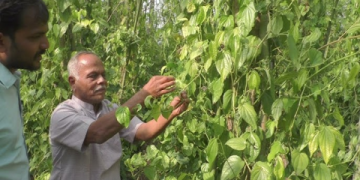
Before we dive into the search, it is helpful to understand what you are looking for. The betel leaf comes from the Piper betle vine, a plant native to Southeast Asia. It is not related to the betel nut (areca nut), though they are often chewed together. The leaves are heart-shaped, glossy, and have a sharp, peppery taste with a subtle aroma. Their uses span three main categories: cultural and ceremonial (primarily in paan), culinary (as a wrap or flavoring agent in various Asian cuisines), and traditional wellness practices. Recognizing this diversity in use will help you identify the right source, as a shop selling leaves for paan may have a different selection than a specialty grocery store catering to cooks.
# 7 Effective Ways to Find Betel Leaves Near Me
Here are the most reliable strategies to locate fresh betel leaves in your local area, starting with the most likely options.
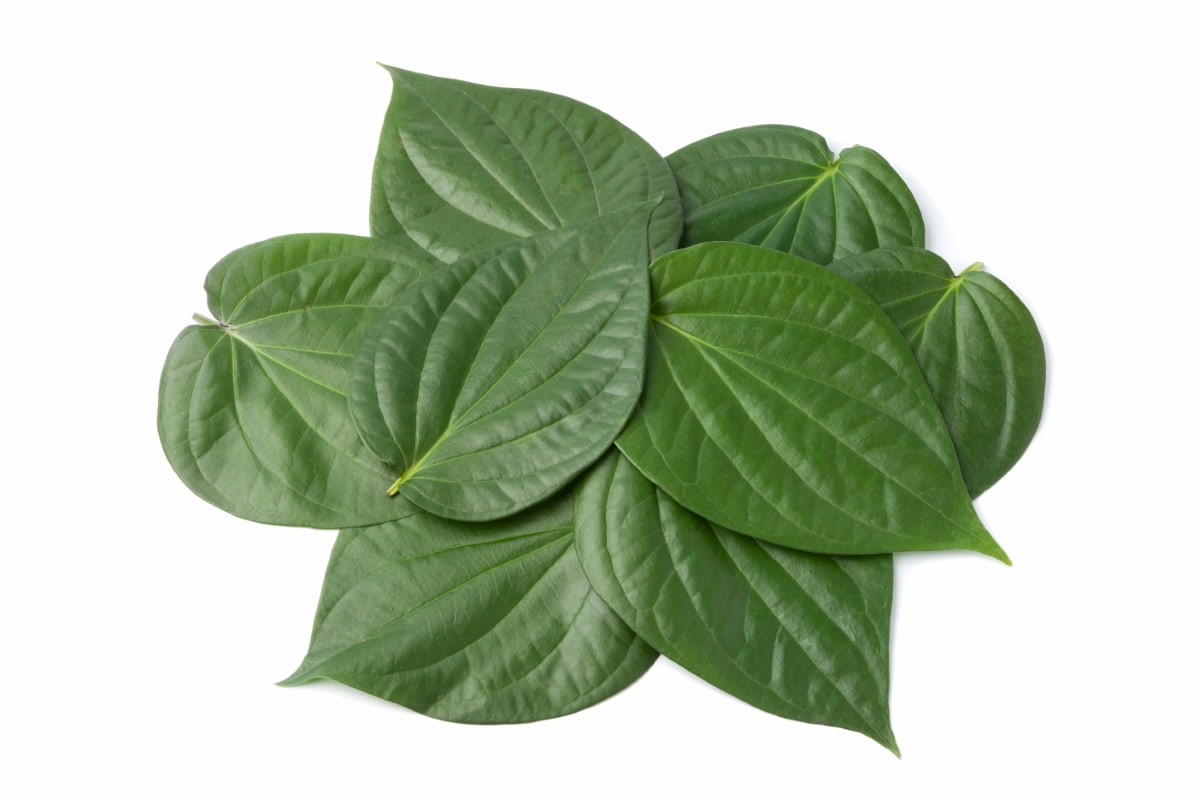
1. SPECIALIZE IN ASIAN AND INDIAN GROCERY STORES. Your highest probability of success lies with local ethnic markets. Large Indian, Bangladeshi, Pakistani, Sri Lankan, or Southeast Asian (Vietnamese, Thai, Indonesian) supermarkets almost always carry fresh betel leaves, often labeled as “Paan Leaves” or “Betel Leaves.” They are typically sold in small bundles. Do not hesitate to ask the staff if you cannot find them.
2. EXPLORE LOCAL FARMERS MARKETS. In regions with a significant South Asian or Southeast Asian diaspora, you may find vendors at farmers markets selling fresh produce, including betel leaves. This is an excellent way to find extremely fresh, sometimes locally grown leaves and to directly speak with the grower.
3. CHECK ONLINE GROCERY DELIVERY PLATFORMS. Services like Instacart, Amazon Fresh, or specialized ethnic food delivery apps often list products from partner grocery stores. You can search for “betel leaves” on these platforms to see which local stores have them in stock for pickup or delivery.
4. CONNECT WITH COMMUNITY GROUPS. Social media platforms like Facebook have community groups for specific cultural communities or gardening enthusiasts in many cities. Joining a relevant group and politely asking for recommendations can yield fantastic local insights and even lead to private sources.
5. CONSIDER BOTANICAL GARDENS OR PLANT NURSERIES. If you are interested in a long-term supply, you might consider growing your own plant. Some specialized nurseries, particularly those focusing on Asian herbs, may sell live Piper betle vines. A study on the phytochemistry of the leaf notes its adaptability to warm, humid climates, making it a viable potted plant in many areas (source: Pharmacognosy Reviews).
6. LOOK INTO RESTAURANT SUPPLIERS. Some restaurants that serve dishes using betel leaves may be willing to share their supplier information. This approach requires a polite inquiry and is more likely to succeed with smaller, family-owned establishments.
7. PURCHASE FRESH OR FROZEN ONLINE. If local options fail, several online retailers specialize in shipping fresh or frozen ethnic produce. While this is not “near me” in the traditional sense, it guarantees access. Ensure the seller has good reviews regarding the freshness and packaging of perishable items.
# How to Select the Freshest and Best-Quality Betel Leaves
Once you have found a source, knowing how to choose the best leaves is crucial. Freshness directly impacts flavor, texture, and potential benefits.
LOOK FOR VIBRANT COLOR AND FIRM TEXTURE. The leaves should be a deep, uniform green without any yellowing, black spots, or signs of wilting. They should feel firm and crisp, not limp or slimy. The stem should look freshly cut.
EXAMINE THE SIZE AND SHAPE. While sizes vary, choose leaves that are relatively large and fully intact, with a perfect, unblemished heart shape. Avoid leaves with holes or tears.
TRUST YOUR SENSE OF SMELL. Fresh betel leaves have a characteristic, potent aroma—peppery, slightly spicy, and aromatic. If the leaves lack fragrance or smell musty, they are past their prime.
To help you quickly compare your options, here is a breakdown of the most common sources.
| Source Type | Freshness Level | Likely Cost | Convenience | Best For |
|---|---|---|---|---|
| Local Indian Grocery Store | High to Very High | Low | Very High | Regular use, paan preparation |
| Online Fresh Produce Retailer | Variable (High if shipped well) | High (includes shipping) | Medium | Those with no local access |
| Farmers Market Vendor | Highest (often just picked) | Medium to High | Low (seasonal/location dependent) | Enthusiasts seeking premium quality |
| Frozen Section (Grocery) | Preserved (flavor loss) | Medium | High | Culinary use when fresh is unavailable |
# A Step-by-Step Guide to Storing Betel Leaves for Maximum Freshness
Proper storage is key to extending the life of your betel leaves. Follow this simple five-step process.
STEP 1: DO NOT WASH THE LEAVES IMMEDIATELY. Moisture accelerates decay. Store them dry and wash only just before use.
STEP 2: GENTLY PAT DRY. If the leaves are damp from the store, lightly pat them with a clean paper towel to remove excess moisture.
STEP 3: PREPARE A BREATHABLE CONTAINER. Line a container or a plastic bag with a few sheets of dry paper towel. Place the leaves inside in a single layer if possible.
STEP 4: REFRIGERATE IN THE CRISPER. Put the container in the vegetable crisper drawer of your refrigerator. The paper towel will absorb any excess humidity.
STEP 5: CHECK DAILY. Fresh leaves stored this way can last for 4-7 days. Remove any leaf that shows signs of spoilage immediately to prevent it from affecting the others.
# Common Misconceptions and Important Warnings
A NOTE ON SAFETY AND TRADITIONAL USE: It is critical to distinguish between the betel leaf itself and the practice of chewing betel quid (paan) that often contains areca nut, slaked lime, and tobacco. The leaf alone has a history of traditional use, but the combination with areca nut is classified as a Group 1 carcinogen by the International Agency for Research on Cancer (source: IARC Monographs). Our discussion here focuses on the culinary and cultural use of the leaf as a fresh ingredient, not on the habitual chewing of quid with tobacco.
Another common mistake is confusing betel leaves with other large leafy greens like spinach or collard greens. They are not interchangeable in recipes due to their unique, pungent flavor profile.
From our experience in researching botanical ingredients, we have found that the quality of betel leaves can vary dramatically even within the same store batch. Taking an extra minute to hand-pick your leaves, as outlined in the selection guide, makes a significant difference in the final outcome of your dish or preparation.
# Your Practical Checklist for Finding and Using Betel Leaves
To make your search and use successful, follow this actionable checklist.
IDENTIFY LOCAL ETHNIC GROCERY STORES: Make a list of Indian, Pakistani, or Southeast Asian markets in your area.
CALL AHEAD: Before visiting, call the store to confirm they have fresh betel leaves in stock.
INSPECT FOR FRESHNESS: Use the criteria of color, texture, and smell to select the best bundle.
PLAN FOR PROPER STORAGE: Have paper towels and a suitable container ready for refrigeration upon returning home.
DECIDE ON USE: Determine if the leaves are for culinary use, cultural practice, or other purposes to guide your preparation.
EXPLORE ALTERNATIVES: If unavailable, research if dried betel leaf or a suitable alternative (like hoja santa in some recipes) can work for your needs.
CONSULT AUTHORITATIVE RECIPES: For culinary use, refer to authentic recipes from the cuisine you are exploring to understand proper techniques.
By following this guide, your search for betel leaves near me should be successful and informed. You will be able to source, select, and store them like a pro, ready to explore their rich cultural and culinary applications.